Reaching Machu Picchu has never been easy — and for many travelers, that’s part of the appeal. But a new airport under construction in the Peruvian Andes could change that dramatically, cutting hours off the journey and potentially tripling the number of visitors to one of the world’s most iconic archaeological sites. The debate around it is just as significant as the construction itself.
How People Get to Machu Picchu Today
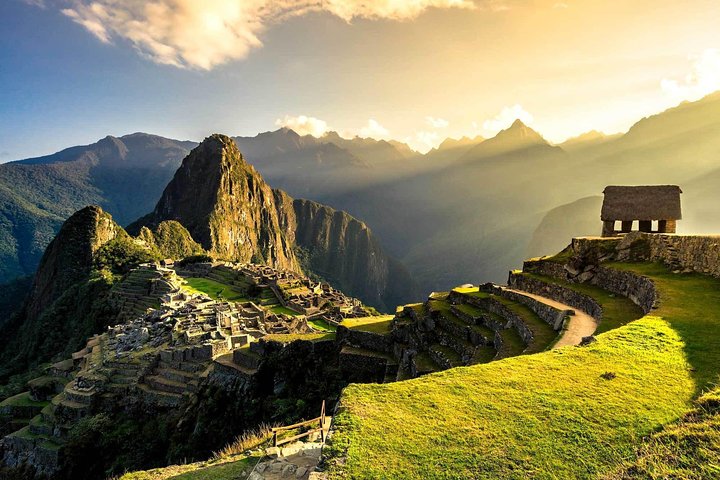
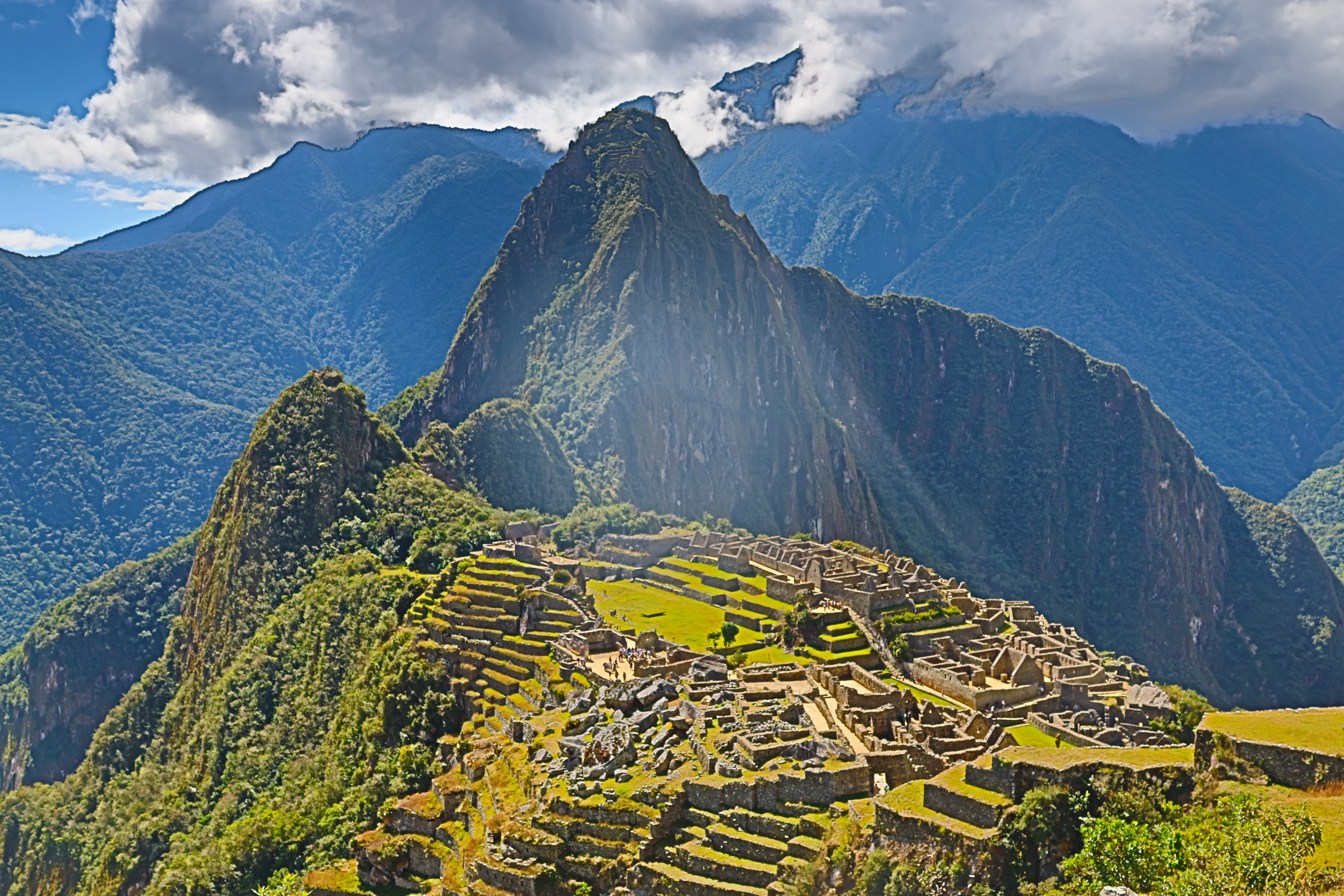
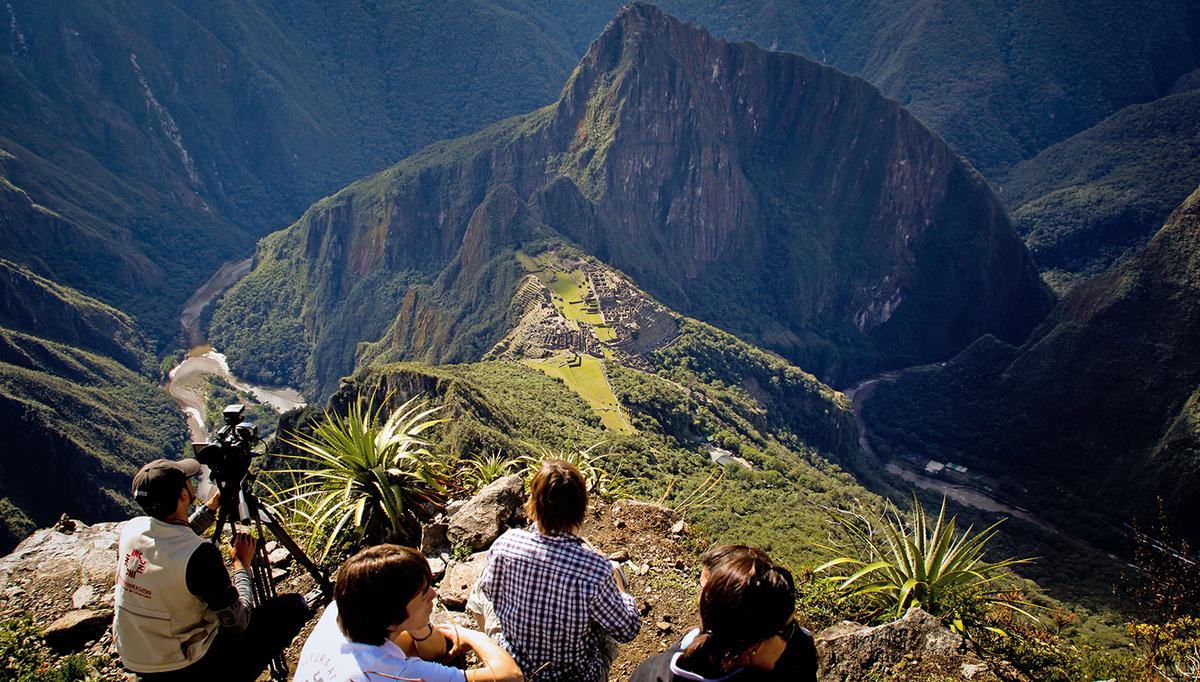
Before understanding what changes, it helps to understand what travelers currently go through. Most visitors fly into Lima, Peru’s capital, then take a domestic flight to Cusco. From there, it’s a train or bus to Aguas Calientes (Machu Picchu Town), followed by a 25-minute bus ride or hike up to the citadel itself.
For those who prefer the scenic route, there’s always a multi-day trek through the Andes — options like the Inca Trail or the Salkantay Trek, which many travelers consider the experience of a lifetime.
It’s a long journey by any measure. But that distance has also acted as a natural filter, keeping visitor numbers manageable and the experience more exclusive.
Enter Chinchero International Airport
After decades of delays, funding shortfalls, and corruption scandals, the Chinchero International Airport appears to finally be moving forward. Peruvian authorities have announced the hub is expected to be completed in late 2027.
Located on the outskirts of Chinchero — a historic Andean city in the Sacred Valley — the airport would allow international travelers to skip Lima and Cusco entirely, landing much closer to Machu Picchu and saving several hours of transit time.
| Detail | Figure |
|---|---|
| Projected annual capacity | Up to 8 million passengers |
| Expected increase in visitors | Up to 200% |
| Machu Picchu visitors in 2024 | Over 1.5 million |
| Current daily visitor cap at the site | 4,500–5,600 people |
| Estimated project cost | ~$683 million USD |
| Expected completion | Late 2027 |
| Years under construction so far | 9 years |
The Case for the Airport
Supporters of the project point to real economic benefits for a region that has historically been underdeveloped. Construction alone has employed around 5,000 workers, and authorities estimate the airport could eventually support one million local jobs. Hotels, lodges, restaurants, and tourism businesses across the Sacred Valley stand to gain significantly from the increased foot traffic.
Easier access also means more travelers could discover not just Machu Picchu, but the wider region — including the Sacred Valley, the archaeological site of Ollantaytambo, and lesser-visited gems like Moray and the Maras salt mines, all of which are close to Chinchero.
The Case Against It
The opposition is vocal and comes from a wide range of voices — not just the usual conservation groups.
Indigenous and farming communities have raised alarms since the airport was first announced. Corn-growing families around Chinchero have already begun selling off farmland in anticipation of development. Agricultural traditions that have defined the region for centuries are at risk of disappearing.
Water supply is another critical concern. There are fears the construction could deplete the watershed of Lake Piuray, which supplies nearly half of Cusco city’s water. Waste management systems in the region are already stretched thin, with no recycling infrastructure in place.
Archaeologists warn that aircraft flying low over the nearby Ollantaytambo archaeological park could cause vibration damage to Incan stonework. Typical Inca roads, terraces, and agricultural land are also being disrupted by construction activity.
UNESCO has been watching closely. The organization has warned that if visitor numbers rise without adequate management, Machu Picchu could risk losing its World Heritage status. The site currently limits daily visitors to between 4,500 and 5,600 people — a number that would come under serious pressure if arrivals tripled.
Even some Sacred Valley tourism operators and local guides who would seemingly benefit from more visitors are opposed, arguing that badly managed growth and overcrowding would degrade the very experience that makes the destination worth visiting.
What This Means for Travelers Planning a Visit Now
The airport won’t open until late 2027 at the earliest — and given the project’s history of delays, that timeline is far from certain. For anyone planning to visit in 2026 or early 2027, the journey remains the same as it has always been.
That’s not necessarily a bad thing. Many experienced travelers consider the current approach to Machu Picchu — by train through the Sacred Valley, or on foot via a multi-day trek — to be an essential part of the experience. Some popular options right now:
- Machu Picchu Tour by Train — The most accessible option, with a full day at the citadel departing from Cusco or Ollantaytambo.
- Sacred Valley + Machu Picchu 2 Days — Combines the train with a day exploring the Valley before arriving at Machu Picchu.
- Salkantay Trek 5 Days — For those who want to earn the view, this route crosses snow-capped passes and cloud forest before arriving at the citadel.
- Inca Trail 4 Days — The classic route, arriving through the Sun Gate at dawn. Permits sell out months in advance.
The Bigger Picture
The debate around Chinchero Airport reflects a tension that plays out at iconic destinations all over the world: how do you make a place more accessible without destroying what makes it worth visiting?
Peru’s government is betting that better infrastructure and job creation outweigh the risks. Conservationists, archaeologists, and indigenous communities are betting the opposite. The truth will likely depend on how seriously visitor management is enforced once the airport opens — something the country is already wrestling with through its new circuit system and daily caps at Machu Picchu itself.
For now, 2026 may be the last relatively quiet year to visit before the crowds multiply. If Machu Picchu is on your list, there may be no better time than the present.