There are dishes that feed you, and there are dishes that tell you who a people are. Chiri Uchu is the second kind. A single serving of this ancient Cusco specialty contains ingredients from the Peruvian coast, the Andean highlands, and the Amazon jungle — a deliberate, centuries-old act of bringing the entire country together on one plate, eaten cold, often with your hands, in the middle of one of the most spectacular festivals on Earth.
Most travelers who visit Cusco never encounter it. Those who do rarely forget it.
What Is Chiri Uchu?
The name comes from Quechua: chiri means cold, and uchu means chili or stew. “Cold chili” is the literal translation — though the dish is neither a chili nor particularly spicy. It is a ceremonial cold platter, served at room temperature, combining up to ten distinct ingredients arranged together on a single plate. No two elements are cooked the same way. No single ingredient dominates. The point is the whole.
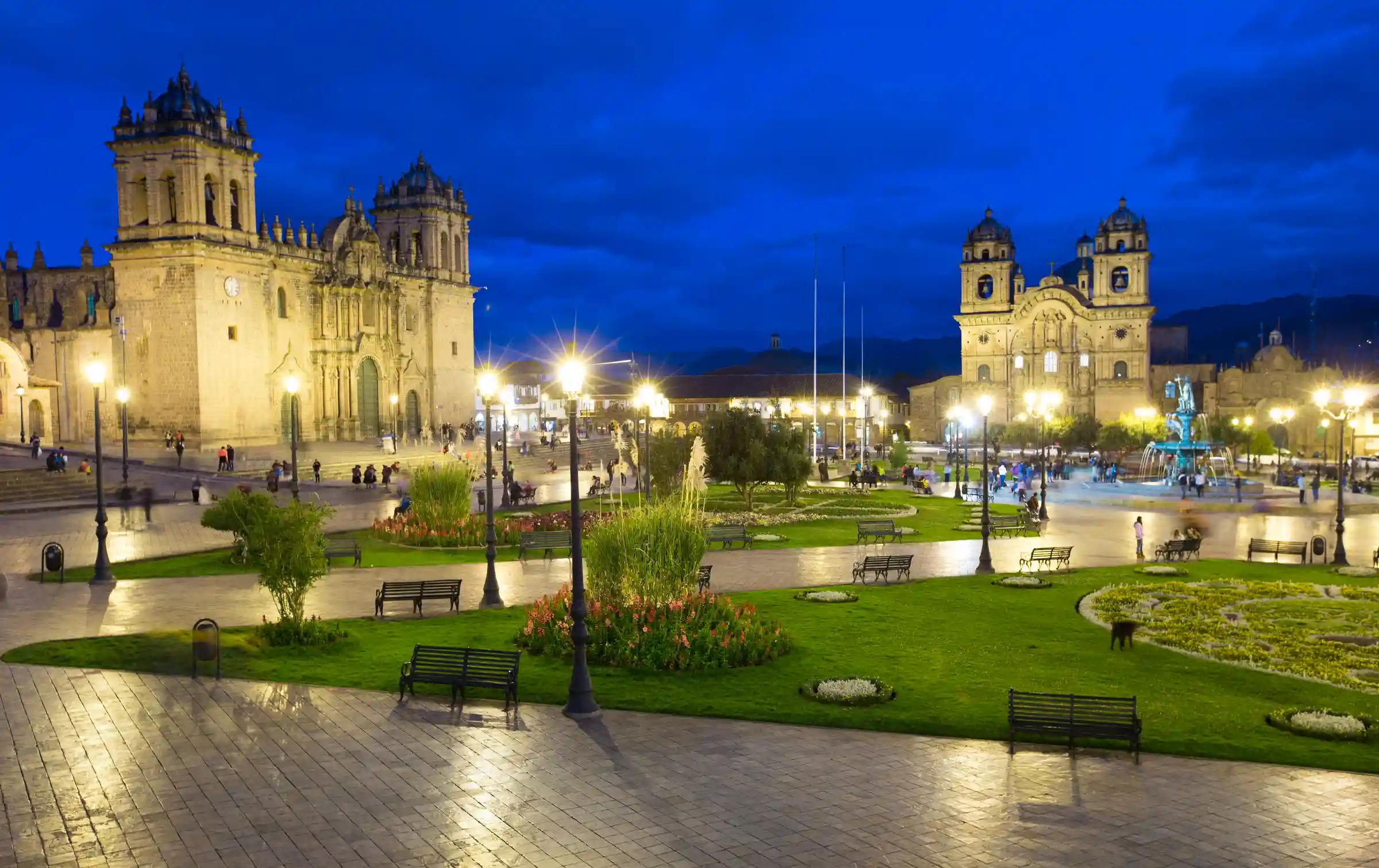
Chiri Uchu is the signature dish of Corpus Christi in Cusco — the most important Catholic festival on the city’s calendar — and it also appears during Inti Raymi, the Festival of the Sun, celebrated every June 24th at Sacsayhuamán. During these weeks, vendors line the Plaza de Armas, Plaza San Francisco, and Plaza Tupac Amaru, and the entire city fills with the aroma of roasted guinea pig and the sound of plates being assembled with quiet precision.
Outside of festival season, it can be found year-round at traditional picanterías and chicherías in Cusco, and at the San Pedro Market — though the experience of eating it surrounded by festival crowds, with music playing and the smell of chicha in the air, is something the market version cannot fully replicate.
The History Behind the Dish
Chiri Uchu’s origins go back to pre-Columbian times and are rooted in one of the most fundamental values of Andean civilization: Ayni — the principle of reciprocity and communal sharing. At the end of harvest days, each Ayllu (family community) would share the best production from their lands with neighboring communities. Families from the coast brought dried fish and seaweed. Families from the highlands brought guinea pig, dried meat, and corn. Those from the jungle brought tropical ingredients. The result of all these contributions assembled together in a single feast was an early form of what we now know as Chiri Uchu.
When Spanish colonizers arrived in the 16th century, they brought Catholic traditions that merged with Andean customs rather than replacing them entirely. Corpus Christi, a Catholic feast day that brought together the patron saints and virgins of different parishes, absorbed many of the communal food traditions of the Incas. Chiri Uchu became the centerpiece of this syncretic celebration — its indigenous ingredients remaining intact, while new elements like chorizo and chicken were added through colonial exchange.
The chronicler Pedro Sarmiento de Gamboa noted in 1572 that ancient Peruvians divided their food into two conceptual categories: those from the land, and those from other origins. Chiri Uchu embodies both simultaneously — and in doing so, it maps the geography of an entire country onto a single plate.
What Goes Into a Chiri Uchu
The dish is composed of carefully prepared components, each representing a different region, tradition, or culinary technique. Preparation typically begins the day before serving, with the guinea pig roasted overnight and the meats boiled and sliced in advance. The corn fritter is made fresh on the day.
| Ingredient | Origin | Preparation |
|---|---|---|
| Cuy (guinea pig) | Highland Andes | Oven-roasted until crispy |
| Chicken or hen | Highland Andes | Boiled, then sliced into pieces |
| Charqui / cecina | Highland Andes | Dried alpaca or beef, preserved using Inca technique |
| Cusco-style chorizo | Colonial influence | Spiced pork sausage, local recipe |
| Corn fritter (humita) | Andean tradition | Made with corn flour and squash, slightly sweet |
| Cancha (toasted corn) | Andean tradition | Dry-toasted, crunchy |
| Queso Andino | Andean highlands | Fresh, mild cheese |
| Fish roe | Peruvian coast | Fried until crispy |
| Cochayuyo (seaweed) | Peruvian coast | Dried coastal seaweed, mineral and salty |
| Rocoto pepper | Cusco region | Sliced fresh, adds mild heat |
| Huacatay leaves | Andes | Black Andean mint, added as aromatic garnish |
Each ingredient plays a specific role in the flavor composition. The richness of the roasted cuy and the fatty chorizo contrasts with the bright acidity of the rocoto and the mineral saltiness of the seaweed. The fresh cheese softens the spice. The cancha adds crunch. The corn fritter brings a touch of sweetness. The charqui is intensely savory. Nothing is superfluous, and nothing is accidental.
How to Eat It
Chiri Uchu is served cold — at room temperature — which is both its defining characteristic and the source of its name. It is traditionally eaten with the hands, following Andean custom, taking small bites that combine different elements: a piece of cuy with a sliver of seaweed and a kernel of cancha, for example. Locals recommend against eating each ingredient separately, as the dish is designed to be experienced as a whole — a balance of textures, temperatures, and flavors from three different Peruvian ecosystems tasted together.
It is not a dish that rewards rushing.
When and Where to Find It
| Occasion | Date | Location |
|---|---|---|
| Corpus Christi | June (moveable feast) | Plaza de Armas, Plaza San Francisco, Plaza Tupac Amaru, Cusco |
| Inti Raymi | June 24 | Sacsayhuamán, Plaza de Armas, Cusco |
| Year-round | Any time | San Pedro Market, picanterías and chicherías, Cusco |
The best time to experience Chiri Uchu is during Corpus Christi, when vendors set up stalls around Cusco’s main plazas and the dish is prepared in large quantities by families who have been making it for generations. The atmosphere — music, processions, color, and communal eating — is as much a part of the experience as the food itself.
Inti Raymi, held every June 24th at the fortress of Sacsayhuamán, is another exceptional moment to try it. The festival draws thousands of visitors to watch the reenactment of the Inca ceremony honoring the Sun God — and Chiri Uchu is everywhere, served alongside chicha morada, quinoa punch, and tamalitos serranos.
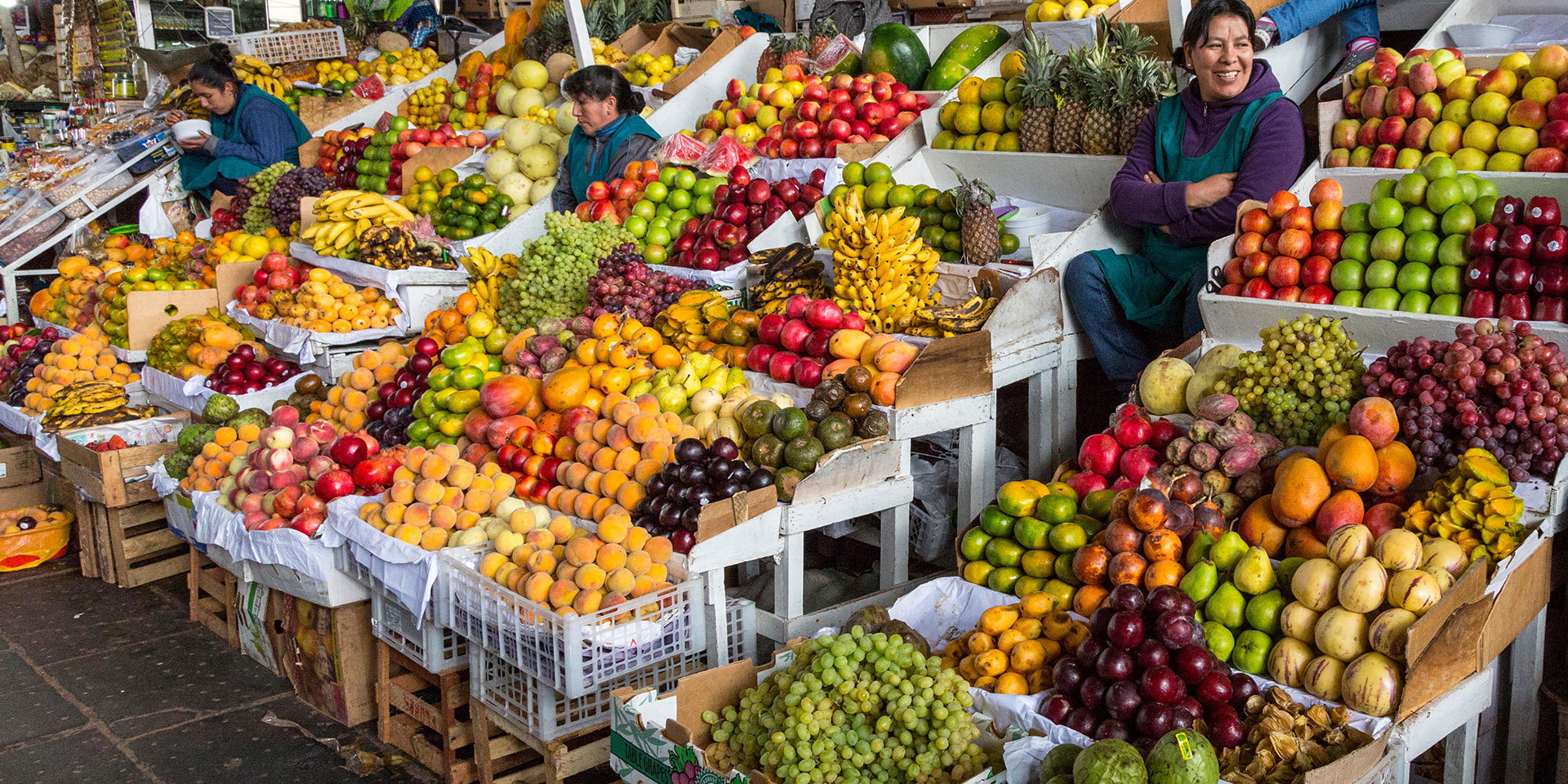
For travelers visiting outside of June, the San Pedro Market in Cusco is the most reliable year-round source. A guided visit to San Pedro as part of a Cusco City Tour with Machu Picchu Team is an excellent way to encounter the dish in context — alongside the market vendors, fresh produce stalls, and the everyday food culture of the city.
Why This Dish Matters for Travelers
Cusco is one of the world’s great archaeological destinations, and most travelers arrive with their eyes fixed on Machu Picchu, the Inca Trail, and the Sacred Valley. The city’s food culture is often an afterthought. That is a mistake.
Chiri Uchu is one of the most culturally layered dishes in all of Latin America. It encodes Andean cosmology, colonial history, ecological geography, and communal values into a single plate. Understanding what is in it — and why — is a shortcut to understanding Cusco itself.
For travelers on the Inca Trail or the Salkantay Trek, who spend days walking through the very landscape that produced these ingredients, eating Chiri Uchu in Cusco before or after the trek adds a dimension to the experience that no ruin or viewpoint alone can provide. The charqui was preserved using the same technique the Incas used to feed armies crossing these same mountains. The corn fritter is made from the same variety of giant-kernel corn growing in the Sacred Valley fields you walked past. The seaweed came from the Pacific coast, carried inland along trade routes that predated the Inca Empire itself.
At Machu Picchu Team, we recommend building at least half a day in Cusco around the city’s food culture — the San Pedro Market, a traditional picantería lunch, and if the timing is right, the experience of Corpus Christi or Inti Raymi. The Cusco City + Sacred Valley + Machu Picchu 3-Day Tour includes time in the city before moving into the valley and on to Machu Picchu — more than enough time to sit down with a plate of Chiri Uchu and understand, in the most direct possible way, what this region is about.
A Quick Guide to the Festivals
Corpus Christi in Cusco is the most important occasion to taste authentic Chiri Uchu. The celebration takes place in June (the exact date changes each year based on the Catholic calendar) and fills the city’s main plazas with processions, music, and food vendors. It is considered one of the most spectacular religious celebrations in South America.
Inti Raymi, held every June 24th, recreates the ancient Inca ceremony at three historical sites: Qoricancha Temple, the Plaza de Armas, and the fortress of Sacsayhuamán. The main ceremony at Sacsayhuamán draws thousands of spectators each year and represents one of the most immersive cultural experiences available in Peru. Both festivals fall in the same month, and travelers lucky enough to visit Cusco in June may have the rare opportunity to attend both within days of each other — and eat Chiri Uchu at each one.
Travelers planning a June visit to Cusco can combine the festivals with a Sacred Valley Tour and a Machu Picchu Tour by Train for a complete experience of the region’s history, landscape, and food in a single week.
Bottom Line
Chiri Uchu is not Peru’s most famous dish. It is not the easiest to find, nor the simplest to understand at first bite. But it may be the most honest: a dish that makes no attempt to simplify or prettify what Peru is, and instead places the entire country — its coast, its highlands, its jungle, its Inca past, its colonial present — on a single cold plate and asks you to eat it all together.
That is worth going out of your way for.