The BEST Restaurants in Cusco

· 18 min read

Table of Contents

    Cusco is famous for its Inca history, colonial architecture, mountain landscapes, and proximity to Machu Picchu, but the city has also developed one of the most interesting culinary scenes in southern Peru.

    Travelers visiting Cusco can find everything from traditional Cusqueñan cuisine and classic Peruvian dishes to Nikkei food, contemporary tasting menus, vegan restaurants, cafés, international cuisine, and inexpensive local lunches.

    For many visitors, discovering what and where to eat becomes an important part of the Cusco experience.

    After spending the day exploring archaeological sites, walking through San Blas, visiting the Sacred Valley, or returning from Machu Picchu, there are restaurants throughout the historic center offering very different dining experiences.

    This guide from Machu Picchu Team in Cusco covers some of the best restaurants in Cusco, the dishes travelers should try, where to find traditional food, vegetarian and vegan options, fine dining, budget-friendly meals, and practical tips for eating safely while traveling in Peru.

    Best Restaurants in Cusco at a Glance

    RestaurantCuisineBest ForPrice Level
    Chicha por Gastón AcurioPeruvianModern Peruvian cuisine$$$
    PachapapaCusqueñan / PeruvianTraditional local food$$–$$$
    CicciolinaMediterranean / Peruvian fusionDinner and tapas$$$
    LIMO peruano nikkeiNikkei / Peruvian-JapaneseSushi and fusion$$$
    Morena Peruvian KitchenContemporary PeruvianFirst-time visitors$$–$$$
    OrganikaPeruvian / farm-inspiredFresh ingredients$$
    Green PointVeganPlant-based cuisine$$
    MAP CaféContemporary PeruvianSpecial occasions$$$$
    Kusykay Peruvian Craft FoodPeruvianTraditional flavors with modern presentation$$
    Yaku RestaurantPeruvianCasual lunch or dinner$$
    MaukaContemporary PeruvianFine dining$$$$
    UkllayPeruvianTraditional dishes near Plaza de Armas$$

    Why Cusco Is a Great Food Destination

    Peruvian cuisine has become internationally recognized for combining indigenous ingredients with culinary influences introduced through centuries of migration.

    Cusco adds its own high-Andean identity to this diversity.

    Regional ingredients commonly found in restaurants include:

    • Native potatoes.
    • Quinoa.
    • Corn.
    • Tarwi.
    • Rocoto.
    • Andean herbs.
    • Trout.
    • Alpaca.
    • Cuy.
    • Choclo.
    • Avocado.
    • Local cheeses.
    • Chili peppers.
    • Mountain-grown vegetables.

    Travelers can therefore experience both national Peruvian cuisine and specifically Cusqueñan dishes without leaving the historic center.

    Best Areas for Restaurants in Cusco

    Most travelers stay within walking distance of several excellent dining areas.

    Plaza de Armas

    The streets surrounding Cusco’s Plaza de Armas contain one of the largest concentrations of restaurants in the city.

    This is a convenient area for travelers because it is close to:

    • Hotels.
    • Tour agencies.
    • Attractions.
    • Bars.
    • Cafés.
    • Museums.
    • Shops.

    Restaurants range from inexpensive cafés to sophisticated dining experiences.

    Some establishments also occupy upper floors overlooking the historic center.

    Plaza Regocijo

    Located only a short walk from Plaza de Armas, Plaza Regocijo is another excellent area for food.

    Several well-known restaurants operate around the plaza and surrounding streets.

    San Blas

    The artistic neighborhood of San Blas is one of the best areas for travelers who enjoy smaller restaurants, cafés, vegan food, international cuisine, bakeries, and relaxed dining.

    Its narrow streets and traditional architecture also create an attractive atmosphere for dinner.

    Remember that San Blas is uphill from Plaza de Armas.

    At Cusco’s altitude, even a relatively short uphill walk can feel demanding during your first few days.

    Best Peruvian Restaurants in Cusco

    Travelers visiting Peru for the first time should make time for at least one restaurant specializing in Peruvian cuisine.

    The following restaurants represent different interpretations of local and national cooking.

    Chicha por Gastón Acurio

    Chicha por Gaston Acurio is located around Plaza Regocijo and is associated with one of Peru’s best-known culinary names.

    The restaurant focuses on Peruvian ingredients and regional cooking interpreted through a contemporary restaurant experience.

    It is a good option for travelers who want to explore Peruvian cuisine beyond the most basic versions of dishes such as lomo saltado or ceviche.

    Why Choose Chicha?

    Consider Chicha if you are looking for:

    • A polished Peruvian dining experience.
    • Regional ingredients.
    • Lunch or dinner near the historic center.
    • Contemporary interpretations of Peruvian food.
    • A restaurant suitable for couples, families, or groups.

    Reservations can be useful during busy periods.

    Pachapapa

    PACHAPAPA cocina cusqueña y más is one of the most recognizable choices in San Blas for travelers who want to experience traditional Cusqueñan and Peruvian flavors.

    The setting complements the regional character of the menu and makes it particularly appealing to first-time visitors.

    This is a good restaurant to consider when you want to try traditional dishes in a comfortable environment rather than searching for them independently around the city.

    What to Look for at Pachapapa

    Depending on the current menu, look for dishes inspired by:

    • Cusqueñan cuisine.
    • Andean ingredients.
    • Traditional meats.
    • Potatoes.
    • Corn.
    • Local herbs.
    • Peruvian classics.

    Travelers interested in trying cuy, or guinea pig, often look for traditional Cusqueñan restaurants such as this one.

    Morena Peruvian Kitchen

    Morena Peruvian Kitchen is conveniently located around Plaza de Armas and specializes in approachable contemporary Peruvian cooking.

    It can be especially suitable for first-time visitors because the menu provides an introduction to several flavors associated with Peruvian cuisine in a modern setting.

    Look for combinations inspired by dishes such as:

    • Lomo saltado.
    • Ceviche.
    • Causa.
    • Andean grains.
    • Grilled meats.
    • Peruvian appetizers.

    Its central location also makes it convenient after sightseeing in the historic center.

    Kusykay Peruvian Craft Food

    KUSYKAY Peruvian Craft Food has become another popular choice for travelers interested in Peruvian cuisine close to the center of Cusco.

    The restaurant emphasizes Peruvian flavors with contemporary presentation.

    It can work particularly well for visitors searching for a relaxed dinner after spending the day around Cusco or returning from an excursion.

    Yaku Restaurant

    Yaku Restaurant is located around Plaza Regocijo and offers another accessible introduction to Peruvian food.

    Its location makes it convenient for travelers staying around Plaza de Armas.

    Yaku can be suitable for:

    • Lunch.
    • Dinner.
    • Couples.
    • Groups.
    • Travelers wanting Peruvian dishes without a formal fine-dining atmosphere.

    Ukllay Traditional Peruvian Cuisine

    Ukllay Traditional Peruvian Cuisine Rooftop is another option near Plaza de Armas for visitors interested in traditional Peruvian flavors.

    Its location is particularly convenient for travelers exploring the historic center who prefer not to travel far for dinner.

    Best Traditional Cusco Food

    A visit to Cusco is an opportunity to try dishes and ingredients that are more closely associated with the Andes.

    Some foods may be unfamiliar to international travelers.

    That is part of the experience.

    Chiri Uchu

    Chiri uchu is one of the most important traditional dishes associated with Cusco.

    Its name is often interpreted as meaning “cold spicy dish.”

    It brings together several ingredients representing different regions and culinary traditions.

    It is particularly associated with important festivities in Cusco.

    Travelers visiting around major celebrations may encounter it more frequently.

    Cuy

    Cuy, or guinea pig, is a traditional Andean food with a history extending long before modern tourism.

    It may be served:

    • Roasted.
    • Baked.
    • Fried.
    • Whole.
    • In more contemporary presentations.

    For international travelers, the appearance can sometimes be surprising.

    Those interested in experiencing regional cuisine should approach it as a culturally significant Andean dish rather than simply as a novelty.

    Alpaca

    Alpaca meat appears on many tourist-oriented and contemporary menus in Cusco.

    It is usually relatively lean and may be prepared as:

    • Steak.
    • Grilled meat.
    • Saltado.
    • Burgers.
    • Modern tasting dishes.

    Quality varies significantly depending on preparation.

    Choosing a reputable restaurant is important.

    Choclo con Queso

    One of the simplest combinations in the Andes is also one of the most enjoyable.

    Choclo con queso combines large-kernel Andean corn with local cheese.

    Travelers may encounter it:

    • In markets.
    • Restaurants.
    • Roadside stops.
    • Sacred Valley excursions.

    Quinoa

    Although quinoa is now available internationally, eating it in the Andes provides a different context.

    Cusco restaurants use quinoa in:

    • Soups.
    • Salads.
    • Risottos.
    • Main courses.
    • Vegetarian dishes.
    • Breakfast bowls.

    Native Potatoes

    Peru has an extraordinary diversity of potatoes.

    Restaurants increasingly highlight different varieties through:

    • Purées.
    • Roasted potatoes.
    • Fries.
    • Soups.
    • Causa.
    • Side dishes.
    • Tasting menus.

    Trying native potatoes is an easy way to experience an important part of Andean agricultural heritage.

    Best Fine Dining Restaurants in Cusco

    Cusco is not limited to rustic Andean food.

    Travelers celebrating a honeymoon, anniversary, birthday, or final night in Peru can also find sophisticated dining experiences.

    MAP Café

    MAP Café provides one of Cusco’s more distinctive contemporary dining settings.

    It is associated with a refined interpretation of Peruvian cuisine and is especially suitable for travelers looking for a memorable dinner rather than a quick meal.

    Consider MAP Café for:

    • Special occasions.
    • Couples.
    • Contemporary Peruvian cuisine.
    • Carefully presented dishes.
    • A more formal dining experience.

    Mauka

    Mauka is another option for travelers interested in upscale contemporary Peruvian dining.

    The experience is better suited to travelers who consider gastronomy an important part of their trip and are comfortable spending more for dinner.

    Fine dining in Cusco often highlights:

    • Regional products.
    • Seasonal ingredients.
    • Modern culinary techniques.
    • Creative plating.
    • Peruvian culinary heritage.

    Best Nikkei and Japanese-Peruvian Restaurant in Cusco

    Peru has an important Japanese-Peruvian culinary tradition known as Nikkei cuisine.

    It combines Japanese techniques and ingredients with Peruvian products and flavors.

    LIMO peruano nikkei

    LIMO peruano nikkei is one of the best-known places around Plaza de Armas for travelers interested in Nikkei cuisine.

    The restaurant is a particularly good change of pace after several days of traditional Peruvian meals.

    Depending on the menu, travelers can expect combinations involving:

    • Seafood.
    • Sushi.
    • Tiradito.
    • Japanese techniques.
    • Peruvian chili peppers.
    • Citrus.
    • Contemporary fusion dishes.

    It is a good choice for couples or travelers looking for a more sophisticated evening meal in the center.

    Best Fusion Restaurant in Cusco

    Cicciolina

    Cicciolina has long been part of Cusco’s restaurant scene and combines Mediterranean and Peruvian influences.

    It is particularly attractive for travelers looking for something different after eating traditional Peruvian cuisine for several days.

    The restaurant works well for:

    • Dinner.
    • Couples.
    • Small groups.
    • Shared dishes.
    • Wine.
    • Tapas-style dining.

    Because of its location in the historic center, it is easy to combine with an evening walk around Cusco.

    Best Farm-Inspired Restaurant in Cusco

    Organika

    Organika Restaurant focuses on fresh ingredients and is frequently chosen by travelers looking for lighter, produce-focused meals.

    It can be particularly appealing after several days of heavy restaurant food.

    Travelers often look for restaurants like Organika when they want:

    • Fresh vegetables.
    • Salads.
    • Soups.
    • Quinoa.
    • Lighter Peruvian dishes.
    • Vegetarian options.

    It is also conveniently located near the historic center.

    Best Vegan Restaurant in Cusco

    Cusco is surprisingly good for vegetarian and vegan travelers.

    The historic center and San Blas contain several plant-based restaurants, cafés, and vegetarian menu options.

    Green Point Vegan Restaurant

    Green Point Vegan Restaurant in San Blas is one of the city’s best-known fully vegan restaurants.

    It is not designed only for strict vegans.

    Travelers who normally eat meat can also enjoy the restaurant because the menu focuses on creative cooking rather than simply replacing meat with processed substitutes.

    The menu incorporates Peruvian and international influences.

    Expect possibilities such as:

    • Plant-based Peruvian dishes.
    • Vegetables.
    • Mushrooms.
    • Quinoa.
    • Salads.
    • Vegan desserts.
    • Breakfast and brunch dishes.
    • Juices and other drinks.

    Green Point is particularly useful for groups containing both vegan and non-vegan travelers.

    Other Vegan Options in Cusco

    Cusco has a growing plant-based scene.

    Other choices include places such as VIDA VEGAN BISTRO and Parada Vegana Restaurant.

    Budget-conscious travelers can also investigate vegetarian and vegan meals around local markets.

    Best Restaurants Near Plaza de Armas

    Travelers staying in the center often prefer restaurants within a few minutes of their hotel.

    Good options around Plaza de Armas and nearby streets include:

    • LIMO peruano nikkei.
    • Morena Peruvian Kitchen.
    • Yaku Restaurant.
    • Chicha.
    • Kusykay.
    • Ukllay.
    • Cicciolina.
    • MAP Café.

    This central area offers everything from casual Peruvian meals to fine dining.

    Best Restaurants in San Blas

    San Blas is ideal for travelers who enjoy a more relaxed atmosphere.

    Popular choices include:

    • Pachapapa.
    • Green Point.
    • Small cafés.
    • Vegan restaurants.
    • International restaurants.
    • Independent bakeries.

    Walking around San Blas and choosing somewhere spontaneously can also be enjoyable.

    Just remember that popular restaurants may fill quickly during dinner.

    Best Restaurants for Couples in Cusco

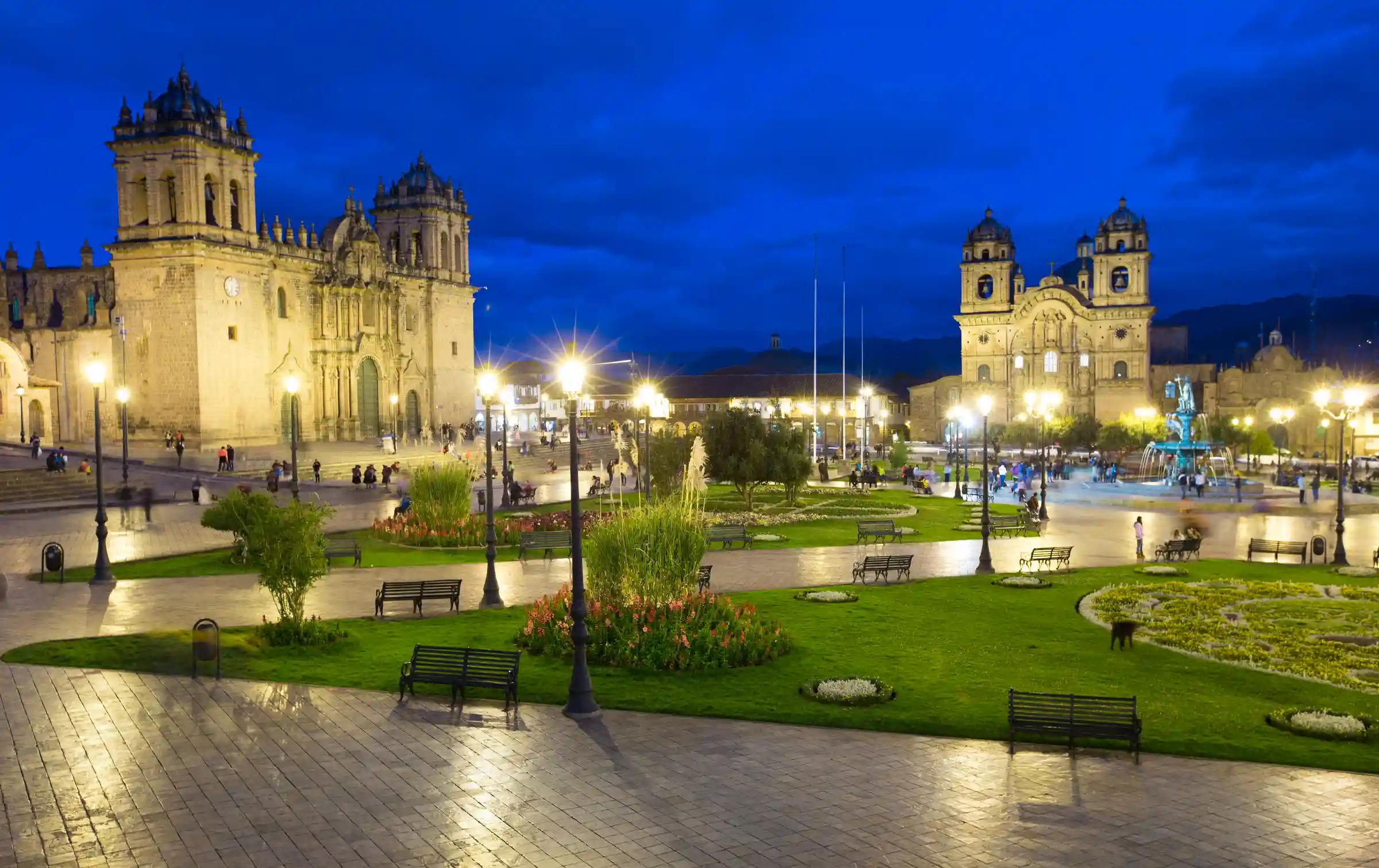
    Cusco can be a very romantic destination, particularly in the evening when the historic streets and plazas are illuminated.

    Couples may enjoy:

    • Cicciolina.
    • MAP Café.
    • Mauka.
    • LIMO.
    • Chicha.
    • Restaurants overlooking Plaza de Armas.

    For anniversaries or special occasions, make reservations and mention the occasion when booking.

    Best Restaurants for Families

    Families often benefit from restaurants with broad menus.

    Good choices generally include restaurants serving:

    • Pasta.
    • Grilled meat.
    • Rice dishes.
    • Chicken.
    • Soups.
    • Vegetarian options.
    • Peruvian classics.

    Restaurants such as Pachapapa, Morena, Kusykay, Yaku, and Chicha can work well depending on the family’s preferences.

    Best Restaurants for Vegetarian Travelers

    Vegetarian travelers will normally find Cusco relatively easy.

    Look for:

    • Quinoa dishes.
    • Vegetable saltado.
    • Soups.
    • Salads.
    • Mushroom dishes.
    • Vegetarian causa.
    • Pasta.
    • Plant-based interpretations of Peruvian classics.

    Green Point is an obvious choice for fully plant-based cuisine, while Organika is particularly useful for travelers prioritizing fresh produce.

    Many mainstream restaurants also have vegetarian options.

    Gluten-Free Food in Cusco

    Travelers avoiding gluten can often find naturally gluten-free ingredients in Peruvian cuisine, including:

    • Potatoes.
    • Corn.
    • Quinoa.
    • Rice.
    • Vegetables.
    • Grilled meats.

    However, travelers with celiac disease or serious allergies should never assume a dish is safe simply because the ingredients appear gluten-free.

    Cross-contamination can occur.

    Clearly explain your dietary restriction to restaurant staff before ordering.

    Cheap Places to Eat in Cusco

    Eating well in Cusco does not always require an expensive restaurant.

    Budget travelers should explore:

    • Local markets.
    • Small neighborhood restaurants.
    • Menu del día restaurants.
    • Cafés.
    • Bakeries.
    • Sandwich shops.
    • Local vegetarian restaurants.

    What Is a Menú del Día?

    A menú del día is a fixed-price daily lunch commonly offered at local Peruvian restaurants.

    It may include:

    1. Soup or starter.
    2. Main course.
    3. Drink.
    4. Sometimes dessert.

    This is one of the best ways to eat inexpensively while experiencing everyday Peruvian food.

    The restaurants serving menus are usually simpler than tourism-focused establishments.

    Eating at San Pedro Market

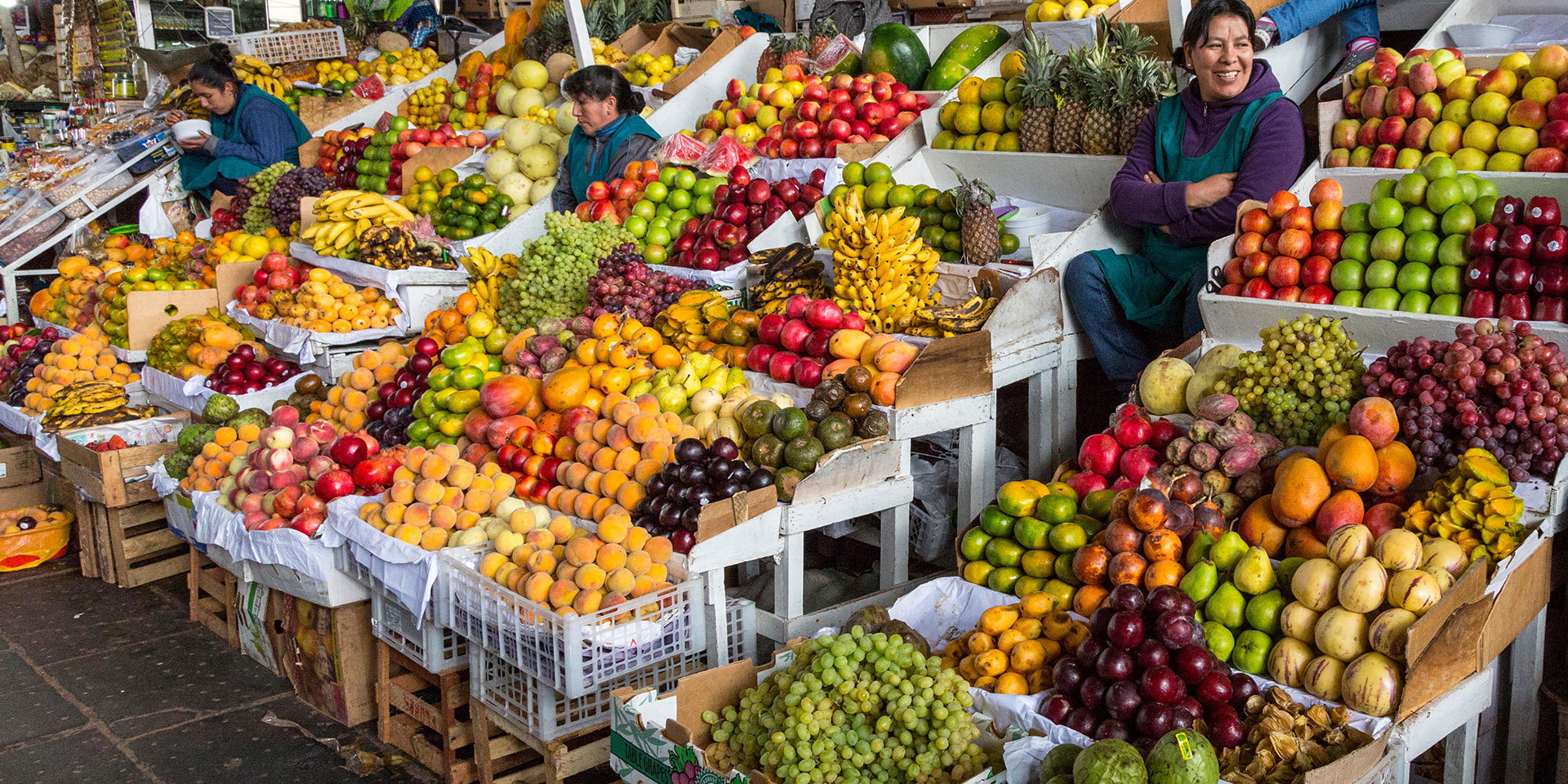
    San Pedro Market is one of the most interesting places for travelers curious about everyday food culture in Cusco.

    Visitors can find:

    • Fruit.
    • Juices.
    • Bread.
    • Cheese.
    • Produce.
    • Meals.
    • Soups.
    • Local products.

    The market experience is very different from dining in an upscale restaurant near Plaza de Armas.

    It provides a glimpse into everyday commerce and food traditions.

    Travelers with sensitive stomachs should use normal judgment regarding food preparation and hygiene.

    What Food Should You Try in Cusco?

    A first-time visitor should consider trying a mixture of national Peruvian dishes and regional Cusco specialties.

    Lomo Saltado

    One of Peru’s most famous dishes.

    It combines stir-fried beef with:

    • Onion.
    • Tomato.
    • Soy-based seasoning.
    • French fries.
    • Rice.

    The dish illustrates the influence of Chinese migration on Peruvian cuisine.

    Ceviche

    Ceviche is one of Peru’s signature dishes.

    Fresh fish is typically prepared with citrus, chili, onion, and other ingredients.

    Cusco is inland, so travelers particularly focused on seafood may find Peru’s coastal cities even more specialized in ceviche.

    Nevertheless, reputable Cusco restaurants serve excellent interpretations.

    Ají de Gallina

    A comforting Peruvian dish made with shredded chicken and a creamy sauce flavored with yellow chili.

    It is commonly served with rice and potatoes.

    Causa

    Causa uses seasoned yellow potato as its base and can contain different fillings.

    Versions may include:

    • Chicken.
    • Tuna.
    • Seafood.
    • Avocado.
    • Vegetables.

    Anticuchos

    Anticuchos are grilled skewers traditionally associated with beef heart.

    They are often served with potato, corn, or sauces.

    Rocoto Relleno

    Although particularly associated with Arequipa, travelers may encounter rocoto relleno in Cusco restaurants as well.

    It consists of a large spicy pepper filled with a savory mixture.

    Trout

    Trout is common throughout the Andes.

    Cusco restaurants prepare it:

    • Grilled.
    • Fried.
    • In ceviche-inspired dishes.
    • With Andean herbs.
    • With quinoa or native potatoes.

    Alpaca

    Alpaca is another ingredient visitors frequently encounter.

    Try it at a reputable restaurant where preparation and cooking are handled carefully.

    Peruvian Desserts to Try

    Save room for dessert.

    Look for:

    • Suspiro a la limeña.
    • Picarones.
    • Chocolate desserts.
    • Lucuma desserts.
    • Cheesecakes using Peruvian ingredients.
    • Ice cream made with regional fruits.

    Cusco also has a growing café and chocolate scene.

    What to Drink in Cusco

    Food is only part of the culinary experience.

    Pisco Sour

    The Pisco Sour is Peru’s most famous cocktail.

    A traditional version generally includes:

    • Pisco.
    • Lime.
    • Sweetener.
    • Egg white.
    • Bitters.

    Many restaurants prepare variations using local ingredients.

    Chicha Morada

    Chicha morada is a non-alcoholic drink made primarily from purple corn and spices.

    It is an excellent option for travelers who do not drink alcohol.

    Chicha de Jora

    Chicha de jora is a traditional fermented corn beverage with deep historical roots in the Andes.

    It is different from chicha morada.

    Travelers interested in traditional Andean culture may encounter it in regional restaurants or communities outside the city.

    Coca Tea

    Coca tea is widely available in Cusco.

    Many hotels offer it to arriving guests.

    It has strong cultural associations with the Andes, although travelers should remember that regulations concerning coca products differ between countries.

    Peruvian Coffee

    Peru produces excellent coffee, including coffee grown in regions around Cusco.

    Travelers should explore independent cafés rather than relying only on international-style coffee shops.

    Should You Make Restaurant Reservations in Cusco?

    For casual restaurants, reservations are not always necessary.

    However, booking ahead is recommended for:

    • Fine dining.
    • Friday and Saturday evenings.
    • Popular restaurants.
    • Large groups.
    • Special occasions.
    • High tourism season.

    For a restaurant you consider essential to your trip, reserve rather than leaving it to chance.

    What Time Do People Eat Dinner in Cusco?

    Tourism-oriented restaurants usually accommodate international dining schedules.

    Eating between 6:30 PM and 9:00 PM is generally convenient for travelers.

    Trekkers should consider their next day’s schedule.

    Tours to destinations such as:

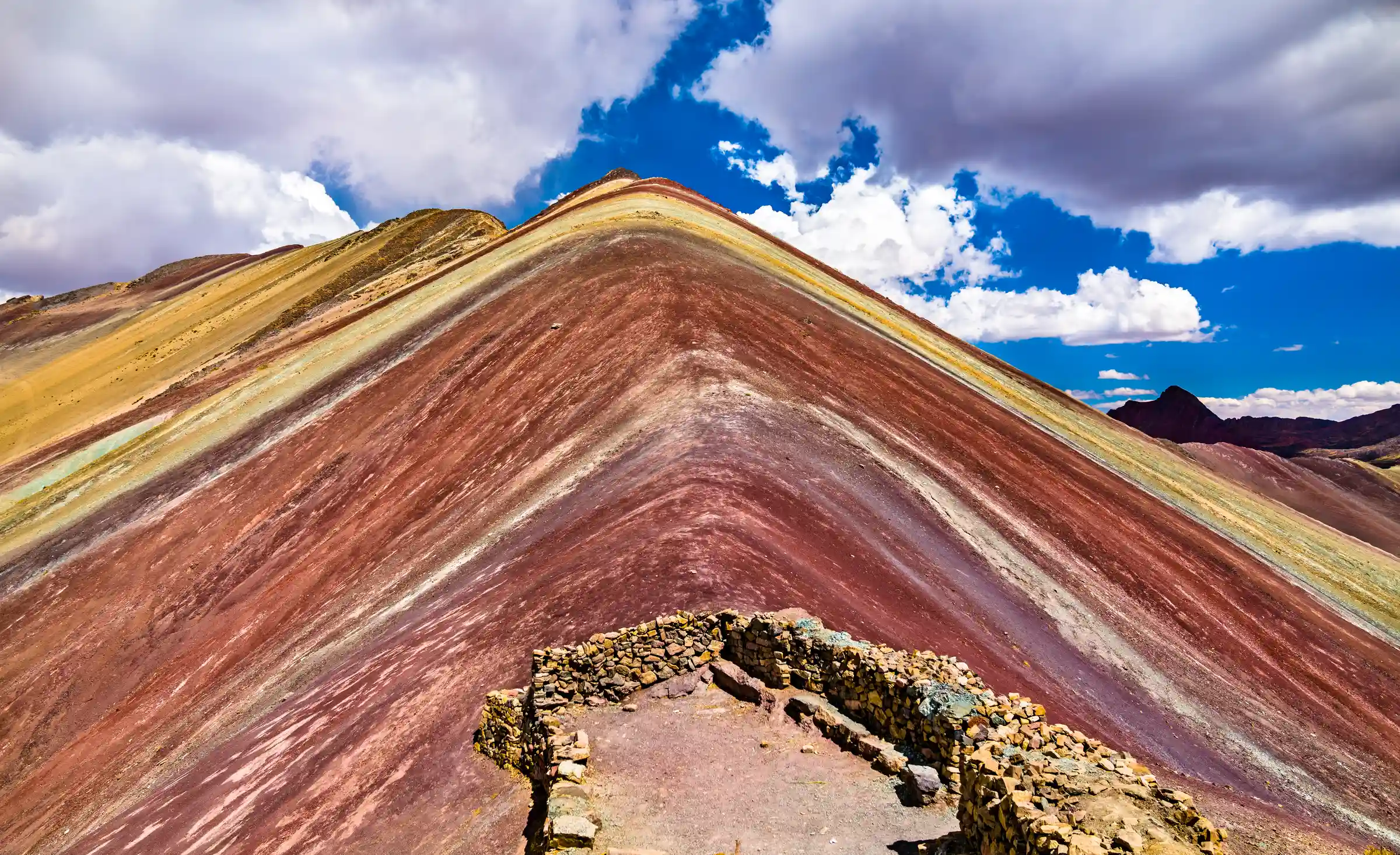
    • Rainbow Mountain.
    • Humantay Lake.
    • Inca Trail.
    • Salkantay Trek.

    can begin extremely early.

    A lighter, earlier dinner may be more practical before a trekking day.

    What to Eat Before a Trek

    The night before a demanding trek, prioritize familiar and easy-to-digest food.

    Good choices include:

    • Rice.
    • Pasta.
    • Potatoes.
    • Soup.
    • Grilled chicken.
    • Vegetables.
    • Quinoa.

    Avoid experimenting with extremely heavy or unfamiliar foods immediately before starting a multi-day hike.

    What to Eat After a Trek

    After returning from Salkantay, the Inca Trail, Choquequirao, or another trek, travelers often want a more substantial meal.

    This is an excellent time for:

    • Lomo saltado.
    • Grilled meat.
    • Pizza.
    • Pasta.
    • Peruvian comfort food.
    • Dessert.
    • A celebratory dinner.

    Just remember that your stomach may need time to readjust after several days of trekking meals.

    Food Safety Tips in Cusco

    Most travelers eat in Cusco without serious problems.

    Nevertheless, digestive issues can affect a trip.

    A few sensible precautions help.

    Choose Busy Restaurants

    High customer turnover generally means ingredients are used more frequently.

    Be Careful With Water

    International travelers who are not accustomed to local tap water should follow appropriate drinking-water precautions.

    Wash Your Hands

    This simple step is particularly important after tours, markets, handling money, and public transportation.

    Introduce New Foods Gradually

    Trying several extremely rich or unfamiliar dishes at once can be difficult on the digestive system.

    Be Careful Before Major Tours

    Avoid culinary experiments immediately before an important Machu Picchu departure or multi-day trek.

    Eating in Cusco While Acclimatizing

    Visitors arriving from sea level may experience reduced appetite during their first day at altitude.

    This can be normal.

    Rather than forcing a large meal, consider:

    • Soup.
    • Rice.
    • Vegetables.
    • Light chicken dishes.
    • Quinoa.
    • Fruit.
    • Plenty of appropriate fluids.

    Heavy meals and excessive alcohol immediately after arrival may make acclimatization less comfortable.

    How Much Does It Cost to Eat in Cusco?

    Food costs vary enormously.

    Dining StyleGeneral Price Level
    Local market meal$
    Menú del día$
    Casual café$–$$
    Tourist restaurant$$
    Popular central restaurant$$–$$$
    Upscale restaurant$$$
    Fine dining$$$$

    Travelers can therefore experience Cusco’s food scene at almost any budget.

    Best Restaurant by Type

    What You WantRestaurant to Consider
    Traditional Cusco foodPachapapa
    Modern PeruvianChicha
    Nikkei cuisineLIMO
    Vegan foodGreen Point
    Fresh, lighter cuisineOrganika
    Fine diningMAP Café or Mauka
    Fusion dinnerCicciolina
    Central Peruvian restaurantMorena
    Casual Peruvian mealYaku
    Peruvian craft cuisineKusykay

    Suggested Cusco Food Day

    Travelers who enjoy gastronomy can dedicate part of a day to food.

    Breakfast

    Start with coffee and a light breakfast in San Blas or the historic center.

    Try:

    • Local coffee.
    • Fresh fruit.
    • Bread.
    • Avocado.
    • Eggs.
    • Quinoa-based breakfast.

    Lunch

    Choose a Peruvian restaurant and try one or two traditional dishes.

    Consider sharing dishes so you can experience more flavors.

    Afternoon

    Visit San Pedro Market or a chocolate and coffee shop.

    Dinner

    Reserve a more sophisticated restaurant such as Chicha, LIMO, Cicciolina, MAP Café, or another restaurant matching your preferences.

    Best Restaurants Before Visiting Machu Picchu

    Travelers leaving for Machu Picchu the following morning should prioritize a balanced dinner.

    Choose:

    • Pasta.
    • Rice.
    • Quinoa.
    • Grilled chicken.
    • Trout.
    • Vegetables.
    • Soup.

    Avoid excessive alcohol and extremely heavy meals when you have an early departure.

    Best Restaurants After Machu Picchu

    After returning from Machu Picchu, a celebratory dinner is a great way to finish the trip.

    Depending on your preferences, consider:

    • Pachapapa for regional food.
    • Chicha for modern Peruvian cuisine.
    • LIMO for Nikkei.
    • Green Point for vegan cuisine.
    • Cicciolina for fusion.
    • MAP Café or Mauka for something more refined.

    Restaurants for a Honeymoon in Cusco

    Couples visiting Cusco on a honeymoon may prefer restaurants offering:

    • Intimate atmosphere.
    • Quality cocktails or wine.
    • Sophisticated presentation.
    • Good service.
    • Comfortable evening dining.

    Fine-dining and fusion restaurants are often better suited to these occasions than busy lunch-oriented establishments.

    Reserve in advance and request a suitable table when possible.

    Frequently Asked Questions About Restaurants in Cusco

    What are the best restaurants in Cusco?

    There is no single best restaurant for every traveler.

    Some excellent options include Chicha, Pachapapa, Cicciolina, LIMO, Morena, Organika, Green Point, MAP Café, Kusykay, Yaku, and Mauka.

    The best choice depends on your budget and preferred cuisine.

    What is the best restaurant for traditional Cusco food?

    Pachapapa is a popular option for travelers interested in traditional Cusqueñan and Peruvian cuisine.

    Smaller traditional restaurants can also provide excellent regional dishes.

    What is the best vegan restaurant in Cusco?

    Green Point in San Blas is one of the city’s best-known plant-based restaurants.

    Cusco also has several other vegan and vegetarian restaurants.

    Where should I eat near Plaza de Armas?

    There are numerous options within a few minutes of the plaza, including LIMO, Morena, Yaku, Chicha, Kusykay, Ukllay, Cicciolina, and other restaurants throughout the historic center.

    Where should I eat in San Blas?

    San Blas is particularly good for cafés, vegan restaurants, independent eateries, and traditional restaurants such as Pachapapa.

    Is food expensive in Cusco?

    It can be very inexpensive or relatively expensive depending on where you eat.

    Local menus and markets can be budget-friendly, while fine-dining restaurants can cost considerably more.

    What Peruvian food should I try in Cusco?

    Consider trying:

    1. Lomo saltado.
    2. Ceviche.
    3. Ají de gallina.
    4. Causa.
    5. Anticuchos.
    6. Trout.
    7. Alpaca.
    8. Cuy.
    9. Quinoa.
    10. Native potatoes.

    Should I try guinea pig in Cusco?

    Cuy is an important traditional Andean food.

    Trying it is entirely optional, but travelers interested in regional gastronomy may find it culturally interesting.

    Is alpaca commonly eaten in Cusco?

    Yes.

    Alpaca appears on many tourism and contemporary restaurant menus.

    Is Cusco good for vegetarians?

    Yes.

    The city has numerous vegetarian options and several dedicated vegan restaurants.

    Is Cusco good for vegans?

    Yes.

    Cusco has an unusually strong plant-based restaurant scene for a relatively small tourism city.

    Can I find gluten-free food?

    Yes, but travelers with celiac disease should specifically discuss cross-contamination and ingredients with restaurant staff.

    Can I drink tap water in Cusco?

    International visitors should follow appropriate local drinking-water precautions rather than assuming tap water is suitable for them.

    Hotels and restaurants can advise on drinking-water options.

    Is street food safe in Cusco?

    Many travelers enjoy street food successfully, but hygiene standards vary.

    Choose busy vendors with good food turnover and use additional caution before important tours or treks.

    Should I reserve restaurants?

    Reserve popular or upscale restaurants, particularly for dinner and special occasions.

    What should I eat before Rainbow Mountain?

    Choose a relatively light dinner with carbohydrates and protein.

    Avoid excessive alcohol because Rainbow Mountain departures usually begin very early and the excursion reaches high altitude.

    What should I eat before the Inca Trail?

    Choose familiar, easily digestible food.

    Rice, potatoes, pasta, soup, chicken, vegetables, and quinoa are good options.

    Can I find international food in Cusco?

    Yes.

    Cusco has restaurants serving cuisines inspired by:

    • Italian food.
    • Japanese food.
    • Asian cuisine.
    • Mexican cuisine.
    • Mediterranean cuisine.
    • Indian cuisine.
    • American-style food.
    • International vegetarian cuisine.

    Are there good cafés in Cusco?

    Yes.

    The historic center and San Blas have many independent cafés serving Peruvian coffee, breakfast, pastries, sandwiches, and desserts.

    Can restaurants accommodate food allergies?

    Many tourism-oriented restaurants can accommodate common dietary restrictions, but serious allergies should always be communicated clearly.

    Do not rely only on menu labels when the allergy is medically significant.

    Is lunch or dinner better for trying Peruvian food?

    Both work well.

    Lunch can be particularly useful for trying local menus, while dinner provides more opportunities for fine dining and elaborate restaurant experiences.

    What time should I have dinner before a tour?

    When your next tour begins around 4:00 or 5:00 AM, eating dinner around 6:00–7:30 PM can make getting enough sleep easier.

    How Many Restaurants Should You Try in Cusco?

    Do not spend your entire trip eating at the same restaurant simply because the first meal was good.

    Cusco’s food scene is diverse enough to explore a different style each day.

    For example:

    DayDining Experience
    Day 1Light Peruvian meal while acclimatizing
    Day 2Traditional Cusqueñan cuisine
    Day 3Vegan or farm-inspired lunch
    Day 4Nikkei cuisine
    Day 5Fine dining or fusion dinner
    After your trekFavorite Peruvian comfort food

    This creates a much broader culinary experience.

    Final Tips for Eating in Cusco

    Cusco has enough restaurant variety to satisfy almost every type of traveler.

    Remember a few basic recommendations.

    Try local ingredients.

    Native potatoes, quinoa, corn, trout, Andean herbs, and regional produce are part of the destination.

    Do not eat only tourist classics.

    Explore regional Cusqueñan cuisine as well as nationally famous Peruvian dishes.

    Visit San Blas.

    Some of the city’s most interesting cafés and alternative restaurants are located there.

    Explore local markets.

    Restaurants show one side of Peruvian cuisine; markets show another.

    Reserve special dinners.

    Popular restaurants can become busy.

    Eat lightly when you first arrive.

    Cusco’s altitude can temporarily affect appetite and digestion.

    Be careful before trekking.

    The evening before an important trek is not the ideal moment to experiment with extremely heavy food or excessive alcohol.

    Try different price levels.

    A sophisticated tasting menu and a simple local lunch can both be memorable for completely different reasons.

    Eating in Cusco With Machu Picchu Team

    Traveling in Peru is not only about reaching Machu Picchu.

    Food, markets, local ingredients, traditional recipes, and contemporary restaurants are all part of understanding the country.

    Cusco provides an especially interesting introduction because visitors can experience traditional Andean cooking, classic Peruvian dishes, modern gastronomy, Nikkei cuisine, vegan food, local markets, cafés, and fine dining within a relatively compact historic center.

    At Machu Picchu Team, based in Cusco, we encourage travelers to leave enough free time in their itineraries to enjoy the city rather than using Cusco only as a departure point for Machu Picchu.

    Walk through San Blas, explore San Pedro Market, try a traditional Cusqueñan dish, taste Peruvian coffee, enjoy a Pisco Sour, and reserve at least one special dinner.

    After all, discovering Peru also means discovering its food.

    Machu Picchu Team
    Written by
    Machu Picchu Team

    We are passionate local experts based in Cusco, Peru. We specialize in trekking tours to Machu Picchu including the Salkantay Trek, Inca Trail, and Amazon rainforest expeditions.

    Leave a Reply

    Your email address will not be published. Required fields are marked *

    Need help? Speak with us