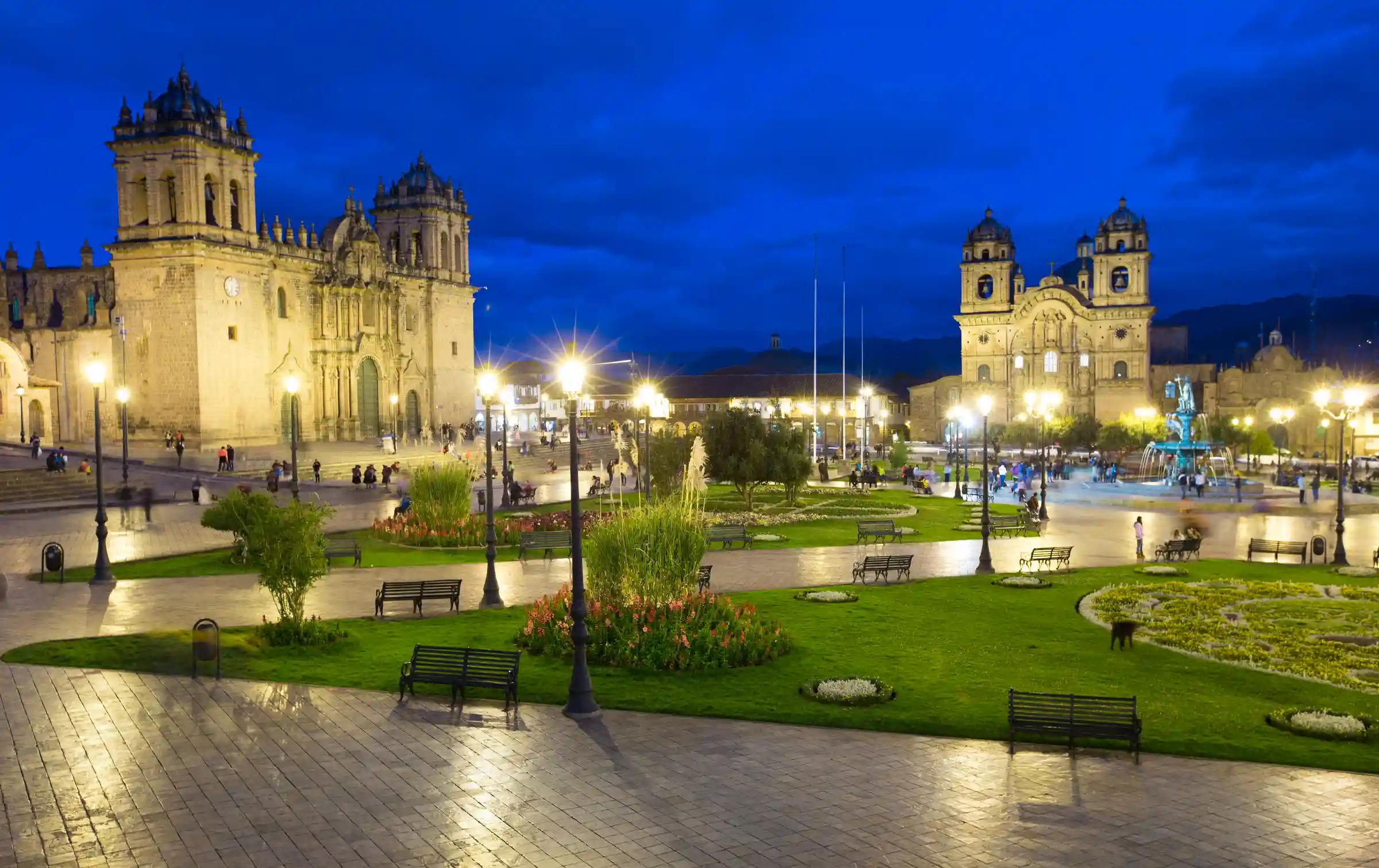
The Andean New Year in Cusco is one of the most meaningful times of the year for travelers interested in Andean culture, spirituality, ancestral traditions, and the relationship between local communities and the natural world.
Celebrated around June 21, the Andean New Year coincides with the winter solstice in the Southern Hemisphere, when the night reaches its longest point and the annual solar cycle begins to change.
For Andean communities, this moment represents much more than an astronomical event.
It is associated with renewal, gratitude, agriculture, Pachamama (Mother Earth), Tayta Inti (Father Sun), the Apus or sacred mountains, and the beginning of a new cycle.
In Cusco, June is already the most important cultural month of the year. The city celebrates numerous traditional events, parades, dances, ceremonies, and festivals, culminating in the famous Inti Raymi on June 24.
The Andean New Year is closely connected with this broader celebration of the sun and seasonal renewal, but travelers should understand that June 21 and Inti Raymi on June 24 are different events.
This complete Andean New Year in Cusco Travel Guide from Machu Picchu Team explains what the celebration means, when it takes place, its connection with the winter solstice, what travelers may experience, how it differs from Inti Raymi, what to wear, where to stay, and how to organize a June trip to Cusco around this fascinating period.
Andean New Year in Cusco at a Glance
| Detail | Information |
|---|---|
| Celebration | Andean New Year |
| Approximate date | June 21 |
| Astronomical event | Winter Solstice |
| Location | Cusco and other Andean regions |
| Cultural meaning | Renewal and beginning of a new cycle |
| Important elements | Sun, Pachamama, Apus and agriculture |
| Typical time for ceremonies | Before and during sunrise |
| Related Cusco festival | Inti Raymi |
| Inti Raymi date | June 24 |
| Weather | Dry season |
| Morning temperatures | Cold |
| Recommended stay in Cusco | 4–7 days or longer |
| Best for | Culture, traditions, photography and history |
| Advance hotel booking | Highly recommended for late June |
What Is the Andean New Year?
The Andean New Year marks the beginning of a new annual cycle associated with the winter solstice.
Throughout the Andes, the movement of the sun has historically been deeply connected with:
- Agriculture.
- Seasonal changes.
- Religious practices.
- Community organization.
- Ceremonies.
- Calendrical systems.
The winter solstice is particularly important because it represents a turning point.
After reaching its seasonal extreme, the sun begins another cycle.
For communities whose survival historically depended on understanding rain, frost, planting seasons, harvests, and the movement of celestial bodies, these changes were extremely important.
The Andean New Year therefore represents renewal rather than simply another date on a calendar.
When Is the Andean New Year?
The Andean New Year is generally celebrated on June 21, around the winter solstice in the Southern Hemisphere.
This is one of the shortest days and longest nights of the year.
Ceremonies frequently begin before sunrise so participants can receive the first rays of the new sun.
The symbolism is powerful:
darkness → sunrise → renewal → new cycle
Travelers interested in experiencing the ceremony should therefore be prepared for an extremely early morning.
Why Is June 21 Important in the Andes?
The relationship between Andean civilizations and astronomy was highly sophisticated.
The movement of:
- The sun.
- The moon.
- Stars.
- Constellations.
helped communities understand changing seasons.
The winter solstice represented an important point in this cycle.
As the sun appeared to reach its most distant seasonal position, communities observed its return as a moment of renewal and continuity.
The sun was not viewed simply as a source of light.
It was connected with life, agriculture, political power, spirituality, and the organization of the Andean world.
Is the Andean New Year the Same as Inti Raymi?
No.
This is one of the most important distinctions travelers should understand.
The two celebrations are related to Andean solar traditions, but they are not exactly the same event.
| Andean New Year | Inti Raymi |
| Around June 21 | June 24 |
| Connected directly with winter solstice | Festival honoring Inti |
| Sunrise and renewal are central | Large ceremonial reenactment |
| Often more spiritual and community-focused | Major public cultural event |
| Celebrated across different Andean regions | Especially famous in Cusco |
| Smaller ceremonies possible | Large performances in Cusco |
Travelers staying in Cusco from approximately June 20 to June 25 can experience both periods as part of one extraordinary cultural trip.
What Is Inti Raymi?
Inti Raymi, commonly translated as the Festival of the Sun, is one of Cusco’s most famous annual celebrations.
It takes place every June 24.
The modern celebration includes elaborate ceremonial representations inspired by Inca traditions.
Hundreds of performers participate wearing clothing representing:
- The Inca.
- The Qoya.
- Priests.
- Nobility.
- Military groups.
- Representatives of different regions of the former Inca world.
The principal modern ceremony takes place through several important locations in Cusco.
For travelers visiting during the Andean New Year, remaining in Cusco for Inti Raymi is highly recommended.
Why Are the Andean New Year and Inti Raymi So Close Together?
Both celebrations relate to the annual solar cycle.
The winter solstice occurs around June 21, while modern Inti Raymi celebrations take place on June 24.
This creates several consecutive days in which Cusco becomes especially focused on:
- The sun.
- Inca heritage.
- Traditional culture.
- Music.
- Dance.
- Ceremonies.
- Community identity.
For travelers, late June is therefore one of the richest cultural periods to visit Cusco.
Other Names for the Andean New Year
Travelers may encounter different names depending on the cultural and linguistic context.
These can include:
- Andean New Year
- Año Nuevo Andino
- Mosoq Wata
- Machaq Mara
Terminology varies across Quechua- and Aymara-speaking regions.
Cusco belongs primarily to the Quechua cultural sphere, while terms such as Machaq Mara are particularly associated with Aymara traditions farther south.
The important idea is the same: the beginning of a renewed Andean cycle connected with the winter solstice.
What Does Mosoq Wata Mean?
In Quechua, mosoq is associated with something new, while wata refers to a year or annual cycle.
The expression can therefore be understood in relation to a new year or new annual cycle.
Spellings may vary because Quechua has different regional varieties and writing conventions.
Andean Cosmovision and the New Year
Understanding the Andean New Year requires understanding something about the Andean worldview, often described as Andean cosmovision.
Nature is not viewed simply as a collection of resources.
Mountains, land, water, celestial bodies, animals, agricultural cycles, and human communities exist within interconnected relationships.
Important concepts include:
- Pachamama.
- Inti.
- Apus.
- Reciprocity.
- Agriculture.
- Community.
The New Year represents an opportunity to renew these relationships.
Pachamama
Pachamama is commonly translated as Mother Earth, although the concept is broader than the English phrase may suggest.
Pachamama is associated with:
- Earth.
- Fertility.
- Agriculture.
- Life.
- Cycles of nature.
Ceremonies may include expressions of gratitude for what the earth has provided.
Tayta Inti
Inti represents the sun.
The term Tayta Inti, or Father Sun, reflects the importance of the sun as a source of:
- Light.
- Warmth.
- Agricultural cycles.
- Life.
Receiving the first rays of sunlight is therefore one of the most symbolic moments of the Andean New Year.
The Apus
Apus are sacred mountain entities within Andean traditions.
The enormous mountains surrounding Cusco are not viewed only as physical geography.
They have spiritual and cultural importance.
Different communities maintain relationships with particular mountains associated with their territory.
This helps explain why many Andean ceremonies take place in high places surrounded by mountains.
Reciprocity in Andean Culture
One of the most important ideas in Andean culture is reciprocity.
Human beings receive from the natural world and therefore also have responsibilities toward it.
Ceremonial offerings can be understood within this relationship.
People express gratitude for:
- Food.
- Water.
- Animals.
- Crops.
- Health.
- Family.
- Community.
- Nature.
The purpose is not simply to ask for something.
It is also to give thanks.
How Is the Andean New Year Celebrated?
Celebrations vary between communities and regions.
There is no single standardized ceremony performed everywhere.
However, common elements can include:
- Gathering before sunrise.
- Ceremonial offerings.
- Traditional music.
- Traditional clothing.
- Community participation.
- Expressions of gratitude to Pachamama.
- Recognition of sacred mountains.
- Receiving the first sunlight.
- Food and communal activities.
Travelers should expect authentic ceremonies to differ significantly from staged tourism performances.
Sunrise Ceremony
The sunrise is often the symbolic center of the celebration.
Participants may gather while it is still dark.
As the sun begins appearing above the mountains, people may raise their hands toward the sunlight.
The first rays represent:
- Renewal.
- Energy.
- Hope.
- Beginning.
- Continuity.
This can be an emotional moment even for visitors who do not share the spiritual beliefs involved.
Offerings to Pachamama
Traditional ceremonies may include an offering or pago a la tierra.
Different elements can be arranged ceremonially according to the tradition being followed.
The ceremony may express gratitude for the previous cycle and request harmony for the coming one.
Travelers should observe respectfully.
Do not treat the ceremony simply as entertainment.
Traditional Music and Dance
Depending on the location, celebrations may include:
- Flutes.
- Drums.
- Traditional Andean instruments.
- Songs.
- Dances.
- Regional clothing.
Music and dance are important throughout Cusco’s June festivities.
The entire month often feels more vibrant because cultural organizations, schools, communities, and institutions participate in public celebrations.
Traditional Clothing
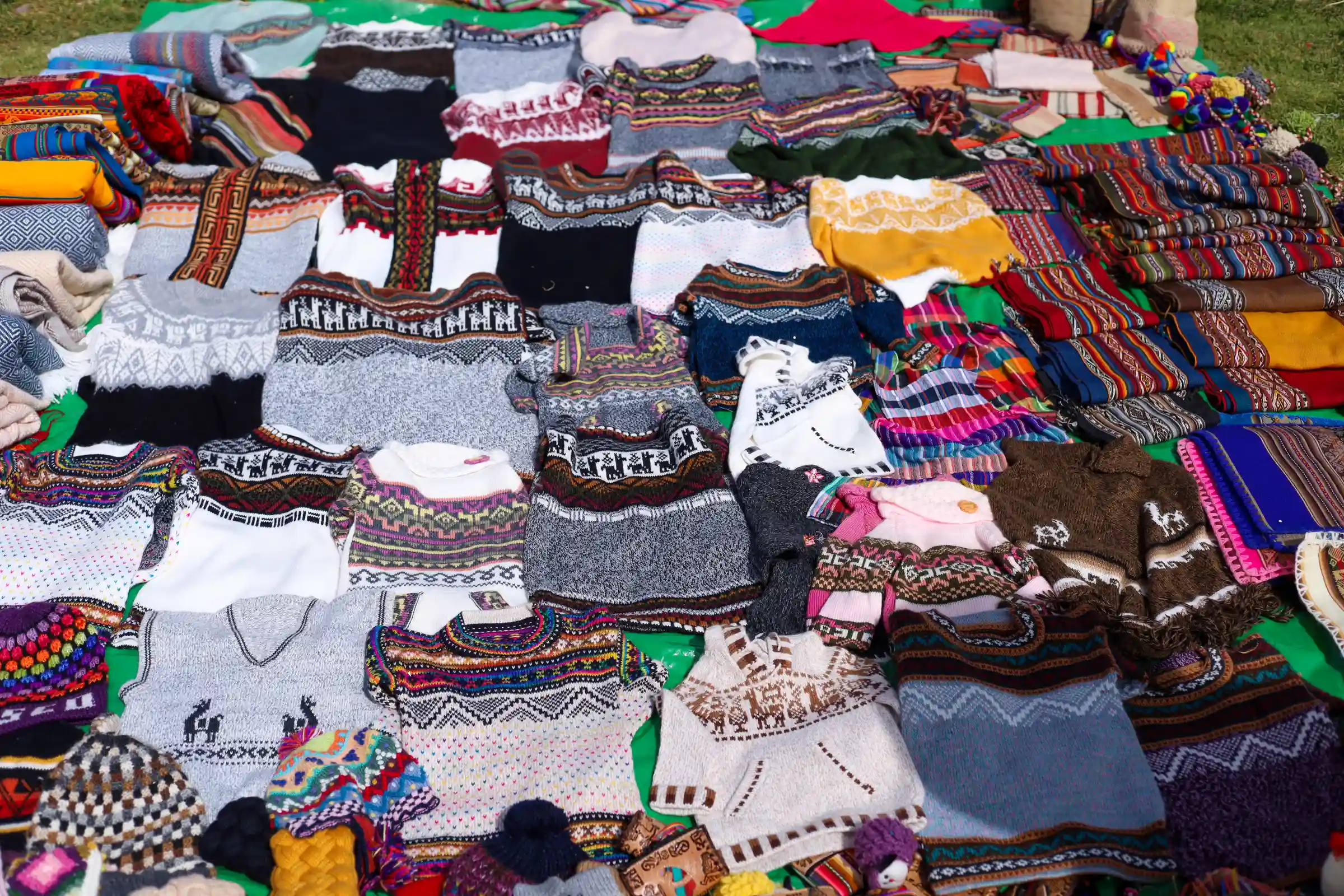
Clothing varies dramatically throughout the Cusco region.
Travelers may see:
- Colorful ponchos.
- Woven belts.
- Traditional hats.
- Polleras.
- Embroidered clothing.
- Handwoven textiles.
Patterns and colors can identify specific communities or regions.
Traditional clothing should not be treated as a costume simply created for tourism.
For many communities, textiles remain an important expression of identity.
What Is Cusco Like During the Andean New Year?
June is one of the most exciting months to visit Cusco.
The historic center becomes filled with cultural activities.
Travelers may encounter:
- Parades.
- Traditional dances.
- School performances.
- Music.
- Ceremonies.
- Decorations.
- Festivals.
- Crowds in Plaza de Armas.
- Regional cultural groups.
Cusco during this period feels very different from an ordinary tourism month.
June: Cusco’s Most Important Cultural Month
June is particularly significant because several important celebrations occur close together.
A traveler visiting during the second half of the month may experience events associated with:
- Cusco festivities.
- Andean New Year.
- Winter solstice.
- Inti Raymi.
- Regional cultural celebrations.
This makes June one of the best months for travelers whose priority is culture.
Where Can You Experience the Andean New Year in Cusco?
Exact ceremonies vary from year to year.
Celebrations may take place in:
- Archaeological areas.
- Sacred spaces.
- Mountains.
- Communities.
- Public plazas.
- Cultural centers.
- Rural areas surrounding Cusco.
Travelers should check the local program shortly before visiting because locations and schedules can change.
Can You Experience It in Cusco City?
Yes.
Cusco is an excellent base during the Andean New Year period.
Even if a specific sunrise ceremony takes place outside the historic center, travelers can experience the broader atmosphere of June celebrations throughout the city.
Should You Visit a Rural Community?
Travelers interested in a deeper cultural experience may consider visiting a community where traditional ceremonies are organized appropriately.
A community-based experience can provide greater insight into:
- Agriculture.
- Textiles.
- Local spirituality.
- Traditional food.
- Andean relationships with nature.
However, the experience should be organized respectfully.
Not every ceremony should become a tourism product.
Andean New Year and Sacsayhuaman
Sacsayhuaman is one of the most important archaeological sites near Cusco and becomes especially significant during June because it hosts the principal final performance of Inti Raymi on June 24.
Travelers visiting Cusco around the Andean New Year should include Sacsayhuaman in their itinerary even if they are not attending the ticketed Inti Raymi ceremony.
Its enormous stone walls and panoramic views over Cusco provide important context for understanding the city’s Inca heritage.
Andean New Year and Qorikancha
Qorikancha, the famous Temple of the Sun, is another essential place to visit during this period.
The site was one of the most important religious centers of the Inca world and was strongly associated with solar worship.
Visiting Qorikancha helps travelers understand why the sun played such an important role in Cusco.
The Sun and Inca Architecture
The Incas paid close attention to astronomical events.
Architecture, sacred landscapes, and solar observations were deeply connected.
Certain structures and alignments throughout the Cusco region demonstrate the importance of observing seasonal changes.
For travelers interested in this subject, June is particularly fascinating because the winter solstice provides cultural context for these relationships.
Best Places to Visit Around the Andean New Year
Travelers spending several days in Cusco should consider:
Qorikancha
Best for understanding solar religion and Inca history.
Sacsayhuaman
Best for monumental Inca architecture and Inti Raymi context.
Sacred Valley
Best for understanding agriculture and the relationship between communities and Andean landscapes.
Chinchero
Excellent for textiles, agriculture, and living Andean traditions.
Pisac
Combines archaeology, terraces, markets, and mountain landscapes.
Ollantaytambo
Offers exceptional Inca architecture and a living town with deep historical continuity.
Machu Picchu
Provides the ultimate archaeological complement to a culturally focused Cusco itinerary.
Best Time to Arrive in Cusco
Travelers interested specifically in the Andean New Year should consider arriving around June 18–20.
This provides time to:
- Acclimatize.
- Explore Cusco.
- Learn about the celebrations.
- Confirm local ceremony schedules.
- Prepare for June 21.
Staying until at least June 25 allows you to experience Inti Raymi as well.
Ideal Travel Dates
A particularly attractive period is:
June 18–26
This allows time for:
- Acclimatization.
- Andean New Year.
- Cusco festivities.
- Inti Raymi.
- Archaeological sightseeing.
Travelers adding Machu Picchu should consider staying even longer.
Suggested Andean New Year Cusco Itinerary
| Day | Activity |
| June 18 | Arrive in Cusco and acclimatize |
| June 19 | Cusco historic center and Qorikancha |
| June 20 | Sacred Valley or cultural experience |
| June 21 | Andean New Year / winter solstice activities |
| June 22 | Maras, Moray and Chinchero |
| June 23 | Cusco festivities and free exploration |
| June 24 | Inti Raymi |
| June 25 | Rest or travel toward Machu Picchu |
| June 26 | Machu Picchu |
This creates one of the most culturally complete Cusco experiences possible.
Weather in Cusco During the Andean New Year
June falls during Cusco’s dry season.
Conditions generally include:
- Sunny days.
- Clear skies.
- Very cold mornings.
- Cold nights.
- Low rainfall.
- Strong sunshine.
The difference between daytime and nighttime temperatures can be significant.
How Cold Is Cusco in June?
Early mornings can feel extremely cold.
This is especially important because Andean New Year ceremonies may begin before sunrise.
Travelers should prepare for temperatures much colder than they experience during midday.
Bring sufficient layers.
What to Wear for an Andean New Year Sunrise Ceremony
Wear:
- Thermal or warm base layer.
- Fleece.
- Insulated jacket.
- Long pants.
- Warm socks.
- Comfortable shoes.
- Gloves.
- Warm hat.
Once the sun rises, temperatures can increase quickly.
Use layers that can easily be removed.
What to Pack for Cusco in June
A practical packing list includes:
- Warm jacket.
- Fleece.
- Lightweight shirts.
- Comfortable pants.
- Walking shoes.
- Warm hat.
- Gloves.
- Sun hat.
- Sunglasses.
- Sunscreen.
- Small daypack.
- Reusable water bottle.
- Camera.
- Portable charger.
- Personal medication.
June Packing Checklist
| Item | Priority |
| Warm jacket | Essential |
| Fleece | Essential |
| Comfortable walking shoes | Essential |
| Sunscreen | Essential |
| Sunglasses | Essential |
| Sun hat | Essential |
| Warm hat | Essential |
| Gloves | Recommended |
| Reusable water bottle | Recommended |
| Camera | Recommended |
| Portable charger | Recommended |
| Small backpack | Essential |
Sun Protection in June
Do not let the cold mornings fool you.
The sun can be extremely strong during the day because Cusco is located at approximately 3,400 meters above sea level.
Use:
- Sunscreen.
- Sunglasses.
- Hat.
- Lip protection.
Altitude During the Andean New Year
Cusco sits at approximately 3,400 meters / 11,155 feet above sea level.
International travelers arriving directly from lower elevations should allow time for acclimatization.
Possible altitude symptoms include:
- Headache.
- Shortness of breath.
- Fatigue.
- Reduced appetite.
- Difficulty sleeping.
A quiet first day is generally preferable.
How to Acclimatize
Helpful strategies include:
- Walk slowly.
- Rest after arrival.
- Drink sufficient water.
- Eat moderate meals.
- Avoid excessive alcohol.
- Sleep well.
Travelers experiencing severe or worsening symptoms should seek appropriate medical assistance.
Is June a Busy Month in Cusco?
Yes.
June is one of the busiest periods of the year because it combines:
- Good dry-season weather.
- Cusco festivities.
- Inti Raymi.
- International tourism.
- Peruvian domestic tourism.
Travelers should book important services early.
What Should You Reserve in Advance?
Prioritize:
- Machu Picchu entrance.
- Train tickets.
- Cusco hotel.
- Aguas Calientes hotel.
- Inti Raymi tickets if attending reserved areas.
- Airport transfers when needed.
- Sacred Valley tours.
Late June is not a good period for leaving essential reservations until arrival.
Hotels During the Andean New Year
Hotel demand can be high.
The most convenient areas include:
Plaza de Armas
Excellent for travelers wanting to be close to major cultural activities.
San Blas
Good for cafés, restaurants, views, and a more artistic atmosphere.
Historic Center
Provides easy access to most attractions.
Avenida El Sol
Convenient for Qorikancha and transportation.
Book early if your visit overlaps with Inti Raymi.
Best Area for First-Time Visitors
For a first trip during the June celebrations, staying within walking distance of Plaza de Armas is particularly convenient.
Many public activities pass through or occur near the historic center.
Restaurants During June Festivities
Cusco’s restaurant scene becomes busy during major celebrations.
Popular restaurants may require reservations.
This is an excellent period to try:
- Cusqueñan cuisine.
- Peruvian food.
- Andean ingredients.
- Regional soups.
- Native potatoes.
- Choclo.
- Quinoa.
- Alpaca.
- Traditional dishes.
Traditional Food During Cusco Festivities
Travelers visiting during major June celebrations may encounter regional foods that appear more prominently during festival periods.
One of the most important is Chiri Uchu, traditionally associated with Cusco’s June festivities.
The dish combines different ingredients representing various regions and culinary traditions.
It is one of the most culturally significant foods to try during this period.
Photography During the Andean New Year
The Andean New Year period can provide extraordinary photography opportunities.
Look for:
- Sunrise.
- Traditional clothing.
- Mountains.
- Ceremonial spaces.
- Public celebrations.
- Dance groups.
- Cusco architecture.
- Plaza de Armas.
- Qorikancha.
- Sacsayhuaman.
Photography Etiquette
Always remember that cultural ceremonies are not simply photo opportunities.
When photographing people closely:
- Ask permission.
- Respect private ceremonies.
- Avoid blocking participants.
- Follow instructions.
- Avoid intrusive flash photography.
Sometimes the most respectful choice is to put the camera away and observe.
Responsible Cultural Tourism
The growing popularity of Andean ceremonies creates both opportunities and risks.
Tourism can support:
- Local guides.
- Communities.
- Musicians.
- Artisans.
- Restaurants.
- Cultural organizations.
However, ceremonies can lose meaning when visitors treat them only as performances.
Travel responsibly.
Do Not Treat Ceremonies as Entertainment
A ceremony involving Pachamama or the sun may carry genuine spiritual meaning for participants.
Avoid:
- Interrupting.
- Walking through ceremonial areas.
- Touching offerings.
- Demanding photographs.
- Talking loudly.
- Treating sacred objects as props.
Observe respectfully.
Ask Before Participating
Some ceremonies may welcome visitors.
Others may be intended primarily for community members.
Do not assume participation is automatically allowed.
Follow the instructions of:
- Community leaders.
- Guides.
- Ceremony organizers.
Buying Local Products
June is an excellent time to support local artisans.
Consider purchasing:
- Textiles.
- Ceramics.
- Traditional crafts.
- Local coffee.
- Peruvian chocolate.
- Maras salt.
- Regional products.
When buying textiles, ask about:
- Materials.
- Production methods.
- Community of origin.
Andean New Year vs Western New Year
The Andean New Year is fundamentally different from the celebration of December 31.
| Andean New Year | December 31 New Year |
| Connected with winter solstice | Gregorian calendar |
| Agricultural and solar cycle | Calendar year |
| Spiritual renewal | Social celebration |
| Sunrise important | Midnight important |
| Community ceremonies | Parties and fireworks |
| Pachamama and Inti | Modern international traditions |
Travelers should not expect fireworks, countdowns, or nightlife to be the central experience on June 21.
Is the Andean New Year a Tourist Festival?
No.
Tourism participates in some modern celebrations, but the cultural ideas behind the Andean New Year extend far beyond tourism.
The event connects contemporary Andean identity with:
- Ancestral traditions.
- Agriculture.
- Spirituality.
- Community.
- Cultural revival.
The way it is celebrated varies significantly between locations.
How Does the Celebration Differ Between Cusco and Puno?
The Andean New Year is important in different parts of southern Peru.
Cusco
More closely associated with:
- Quechua culture.
- Inca heritage.
- June festivities.
- Inti Raymi.
Puno
Strongly connected with:
- Aymara traditions.
- Machaq Mara.
- Altiplano communities.
- Sunrise ceremonies.
Travelers visiting both regions can observe how similar concepts take different cultural forms.
Can You Combine Cusco and Lake Titicaca?
Yes.
This can create an excellent cultural itinerary.
For example:
Cusco → Andean New Year → Inti Raymi → Puno → Lake Titicaca
This allows travelers to experience different Andean cultural regions within the same journey.
Andean New Year and Machu Picchu
Machu Picchu can easily be combined with the June celebrations.
However, tickets should be booked early because June is a popular month.
A good strategy is to attend cultural activities in Cusco first and visit Machu Picchu afterward.
For example:
June 21: Andean New Year.
June 24: Inti Raymi.
June 25: Sacred Valley / Ollantaytambo.
June 26: Machu Picchu.
Should You Visit Machu Picchu Before or After Inti Raymi?
Either works.
However, travelers primarily visiting Cusco for the June festivities may prefer to remain in the city around June 21–24 and visit Machu Picchu afterward.
This reduces the risk of missing important cultural activities.
Can You Combine the Andean New Year With the Inca Trail?
Yes.
However, permits for the Inca Trail can sell out far in advance during June.
Plan carefully.
A possible itinerary is:
June 21: Andean New Year.
June 22–23: Cusco.
June 24: Inti Raymi.
June 25: Rest.
June 26 onward: Inca Trail.
This creates an extraordinary combination of culture and trekking.
Can You Combine It With Rainbow Mountain?
Yes.
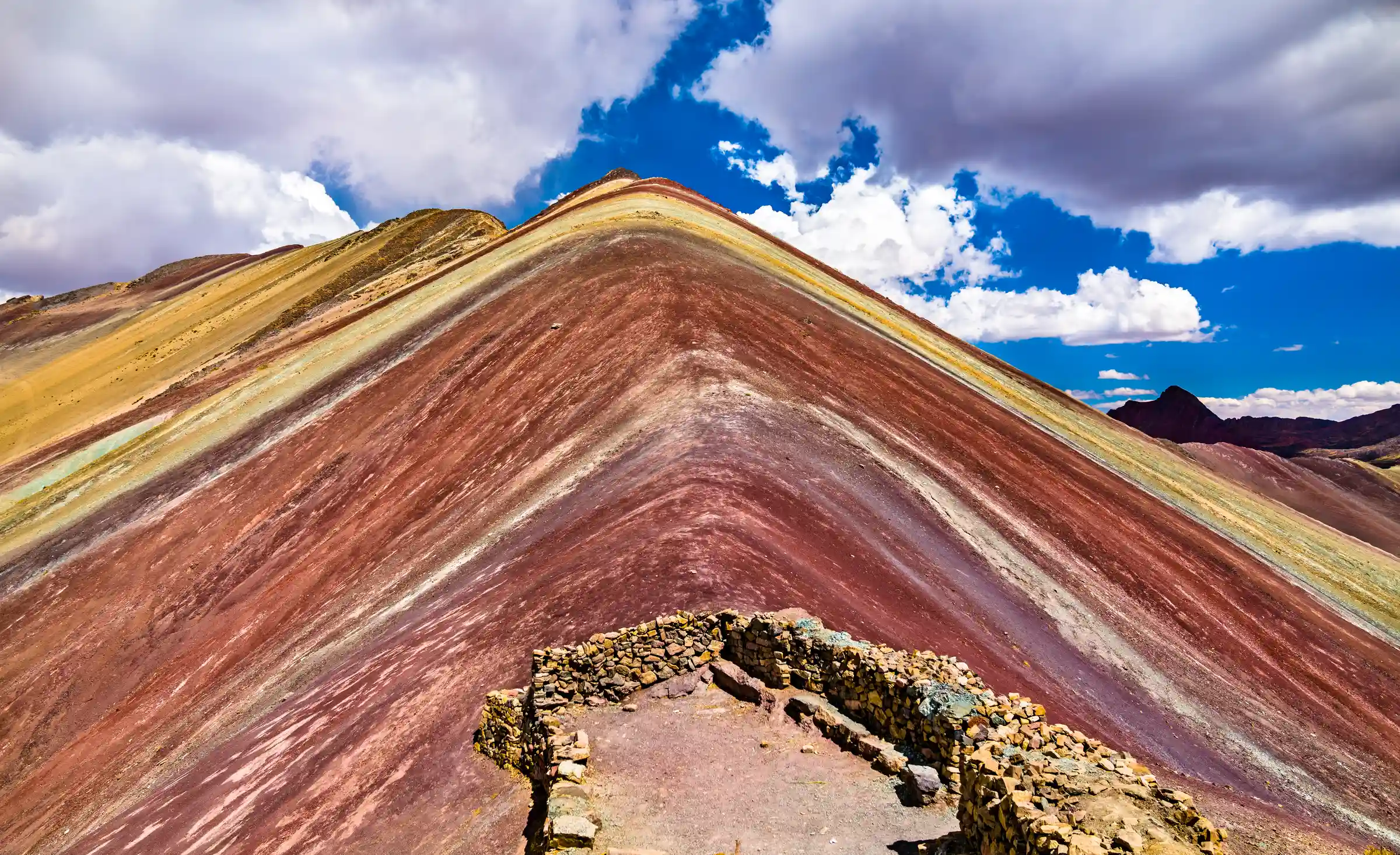
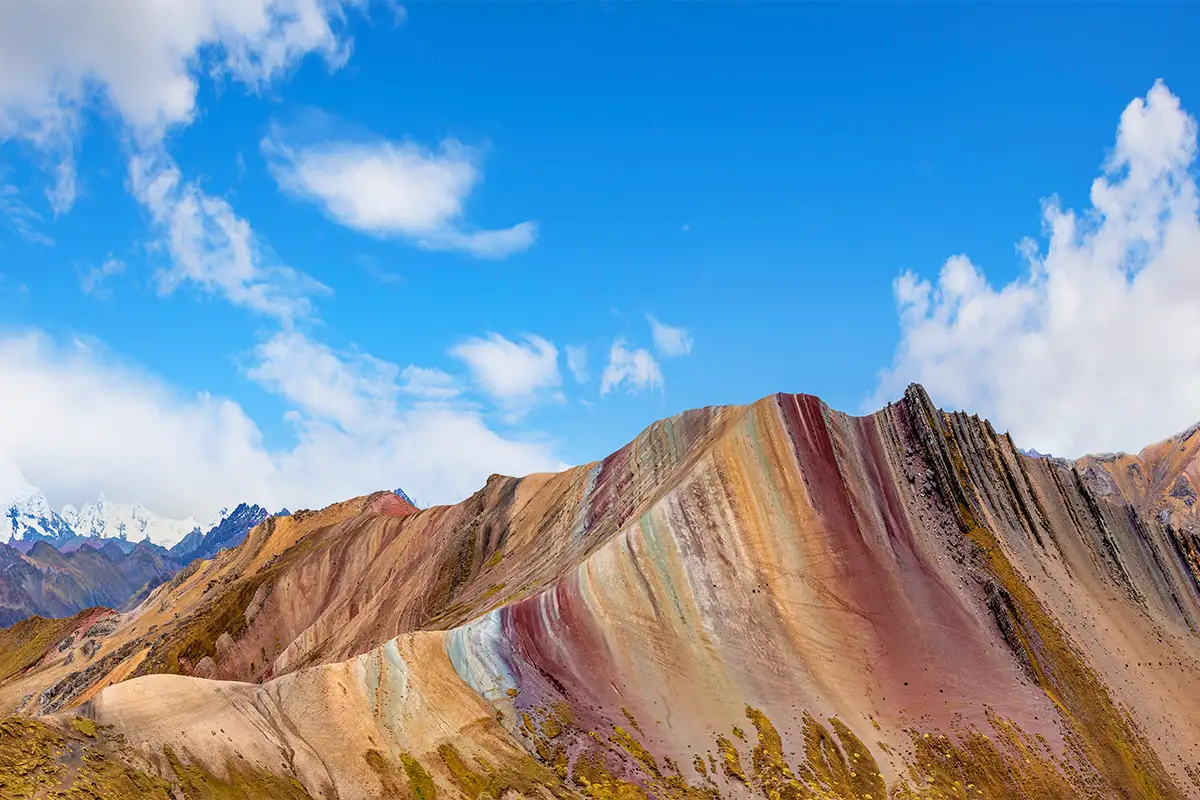
However, Rainbow Mountain reaches approximately 5,000 meters and requires good acclimatization.
After several days in Cusco, travelers may be better prepared for the excursion.
Avoid scheduling Rainbow Mountain immediately after a late-night festival or physically demanding day.
Can You Visit Sacred Valley During the June Celebrations?
Absolutely.
The Sacred Valley adds important cultural context because agriculture, mountains, water, and traditional communities are central to Andean life.
Consider visiting:
- Pisac.
- Ollantaytambo.
- Chinchero.
- Moray.
- Maras.
Chinchero During a Cultural Trip
Chinchero is particularly interesting because it combines:
- Archaeology.
- Traditional textiles.
- Agriculture.
- Quechua communities.
- Mountain landscapes.
For travelers interested in living Andean culture, it is an excellent complement to the New Year celebrations.
How Many Days Should You Spend in Cusco?
For travelers specifically interested in the Andean New Year and Inti Raymi, at least 5–7 days is recommended.
A longer trip provides time for:
- Acclimatization.
- Cultural events.
- Sacred Valley.
- Machu Picchu.
- Museums.
- Markets.
Is Andean New Year Good for Families?
Yes.
Families interested in culture can enjoy the period.
Children may particularly enjoy:
- Traditional dances.
- Music.
- Colorful clothing.
- Public parades.
Parents should prepare for:
- Cold mornings.
- Crowds.
- High altitude.
- Long ceremonies.
Andean New Year for Older Travelers
Older travelers can experience the celebrations comfortably.
The main considerations include:
- Altitude.
- Cold.
- Long periods standing.
- Crowds.
- Early mornings.
Choose appropriate seating or guided arrangements where available.
Crowd Safety During June Celebrations
Plaza de Armas and surrounding streets can become extremely busy.
Use normal precautions:
- Keep valuables secure.
- Avoid open backpack pockets.
- Keep phones protected.
- Agree on meeting points.
- Stay aware in crowds.
Families should keep children nearby.
Transportation in Cusco During Festivals
Road closures and traffic changes may occur around major events.
Allow extra time when traveling to:
- Airport.
- Train station.
- Bus terminal.
- Tours.
Walking can sometimes be faster within the historic center.
Do Not Schedule Tight Connections
During major festival days, avoid planning:
end of ceremony → immediate airport transfer
or
major parade → tightly scheduled train departure
Give yourself flexibility.
Frequently Asked Questions About the Andean New Year in Cusco
When is the Andean New Year?
The Andean New Year is generally celebrated around June 21, coinciding with the winter solstice in the Southern Hemisphere.
Where is the Andean New Year celebrated?
It is celebrated in different forms throughout Andean regions of Peru and neighboring countries.
Cusco is one of the most interesting destinations for travelers because June is also the city’s principal festival month.
What does the Andean New Year celebrate?
It represents the beginning of a renewed solar, agricultural, spiritual, and community cycle.
Is the Andean New Year the same as Inti Raymi?
No.
The Andean New Year is associated with the winter solstice around June 21.
Inti Raymi is celebrated on June 24.
What is Inti Raymi?
Inti Raymi is Cusco’s famous Festival of the Sun and one of the city’s most important annual cultural celebrations.
Why is the sun important?
The sun was deeply connected with agriculture, religion, political organization, and life in the Andean world.
What is Pachamama?
Pachamama is a fundamental concept within Andean traditions associated with Earth, life, fertility, nature, and reciprocal relationships.
What are the Apus?
Apus are sacred mountains or mountain beings within Andean worldviews.
What happens during an Andean New Year ceremony?
Activities vary, but may include offerings, music, prayers, traditional clothing, community gatherings, and receiving the first rays of sunlight.
What time do ceremonies begin?
Some begin before sunrise because welcoming the new sun is an important symbolic moment.
Do tourists participate?
Some public or community activities welcome visitors.
Participation depends on the ceremony.
Always follow local guidance.
Where should I stay in Cusco?
The historic center, Plaza de Armas, San Blas, and Avenida El Sol are convenient areas.
How many days should I stay?
Five to seven days is ideal if you want to combine the Andean New Year, Inti Raymi, and sightseeing.
Is June a good time to visit Cusco?
Yes.
June generally offers dry weather and exceptional cultural activities.
It is also one of the busiest periods.
Does it rain in June?
Rain is generally less frequent than during the wet season, but mountain weather can always change.
Is Cusco cold in June?
Yes, particularly at night and before sunrise.
Bring warm clothing.
What should I wear to an early ceremony?
Wear several warm layers, comfortable shoes, gloves, and a warm hat.
Do I need to book hotels early?
Yes.
Demand increases significantly around major June celebrations.
Should I book Machu Picchu early?
Absolutely.
June is a popular travel month.
Can I attend Andean New Year and Inti Raymi?
Yes.
The dates are close enough to experience both during the same trip.
How many days apart are they?
The Andean New Year is around June 21 and Inti Raymi occurs on June 24.
Is Andean New Year free?
Many public cultural activities may be accessible without a ticket, while particular organized ceremonies or experiences may have their own arrangements.
Check the program for the specific year.
Do I need a guide?
Not necessarily for public activities.
However, a knowledgeable local guide can explain cultural meaning that may otherwise be difficult to understand.
Can I take photographs?
Generally, yes in public spaces.
Ask permission for close photographs of individuals and respect restrictions during ceremonies.
Is the celebration appropriate for children?
Yes, although parents should prepare for crowds, cold weather, altitude, and early mornings.
What food should I try?
During June, look for Cusqueñan specialties such as Chiri Uchu, as well as native potatoes, corn, quinoa, local soups, and other regional dishes.
Can I visit Machu Picchu during the same trip?
Yes.
Combining Cusco’s June festivals with Machu Picchu creates an excellent Peru itinerary.
Is June 21 a better day than June 24?
They offer different experiences.
June 21 is more directly connected with the winter solstice and Andean New Year.
June 24 offers the spectacular Inti Raymi celebration.
Ideally, experience both.
Is the Andean New Year Worth Experiencing in Cusco?
Yes, particularly for travelers interested in understanding Cusco beyond its archaeological sites.
The experience offers insight into a worldview in which:
people, mountains, agriculture, the earth, the sun, and community are interconnected.
Visiting Cusco during this period also provides access to one of the most culturally active weeks of the entire year.
Instead of simply visiting ruins, travelers can observe how Andean identity continues to be expressed through:
- Language.
- Clothing.
- Music.
- Dance.
- Food.
- Ceremonies.
- Community celebrations.
Andean New Year vs Visiting Cusco at Another Time
| June 21 Period | Regular Travel Period |
| Major cultural activities | Normal city activity |
| Andean New Year | No solstice celebration |
| Inti Raymi approaching | No Inti Raymi |
| Many traditional dances | Fewer public performances |
| Busy city | Generally quieter |
| Higher hotel demand | Easier availability |
| Exceptional cultural experience | More flexible sightseeing |
The trade-off is simple.
June offers more culture but also more visitors.
Final Tips for Experiencing the Andean New Year in Cusco
The Andean New Year can become one of the most meaningful experiences of a trip to Peru when approached with curiosity and respect.
Remember:
Arrive before June 21.
Give yourself time to acclimatize and understand what is happening.
Stay for Inti Raymi.
June 24 provides another extraordinary perspective on Cusco’s relationship with the sun and Inca heritage.
Wake up early.
The first rays of sunlight are an important part of many New Year ceremonies.
Dress warmly.
Pre-dawn temperatures in June can be very cold.
Use sunscreen later in the day.
Cusco’s high-altitude sunshine is strong.
Respect ceremonies.
They may carry genuine spiritual importance.
Ask before photographing people.
Traditional clothing does not make someone a tourist attraction.
Book accommodation early.
Late June is one of Cusco’s busiest periods.
Reserve Machu Picchu early.
June availability can disappear quickly.
Try traditional food.
Culture is also experienced through cuisine.
Visit Qorikancha and Sacsayhuaman.
They provide essential historical context.
Explore beyond the historic center.
Chinchero, Pisac, Ollantaytambo, and other communities reveal living Andean traditions.
Do not confuse June 21 with June 24.
The Andean New Year and Inti Raymi are closely related culturally, but they are distinct events.
Experience the Andean New Year With Machu Picchu Team
Visiting Cusco during the Andean New Year offers travelers an opportunity to experience the city at one of the most meaningful moments of its cultural calendar.
Around June 21, the winter solstice represents a moment of transition and renewal within Andean traditions.
Only three days later, Cusco celebrates Inti Raymi on June 24, transforming the city into an extraordinary display of history, music, traditional clothing, ceremony, and cultural identity.
At Machu Picchu Team, based in Cusco, we help travelers organize itineraries that go beyond simply visiting famous attractions.
A June journey can combine the Andean New Year, Inti Raymi, Cusco, Qorikancha, Sacsayhuaman, the Sacred Valley, Chinchero, Machu Picchu, Maras, Moray, and other cultural experiences throughout the region.
For travelers interested in understanding the Andes rather than simply photographing them, this is one of the most fascinating times of the year to visit.
Wake before sunrise.
Feel the cold of a June morning in the Andes.
Watch the first sunlight reach the mountains surrounding Cusco.
And take a moment to understand why, for generations of Andean communities, the movement of the sun has represented much more than the passing of time.
It represents renewal, continuity, gratitude, and the beginning of another cycle.