
Visiting the markets in Cusco is one of the easiest ways to see everyday Andean life beyond the Inca sites. In a single morning you can taste fresh fruit from the Amazon, see dozens of native potatoes, try giant Cusco corn with cheese and watch families do their daily shopping.
This guide from Machu Picchu Team, a local operator based in Cusco, explains which markets to visit, what to eat and buy, when to go and how to visit respectfully.
Markets in Cusco at a Glance
| Market | Best for | Where | From Plaza de Armas |
|---|---|---|---|
| San Pedro | Food, juices, first visit | Calle Cascaparo, next to San Pedro square | About 10 minutes on foot |
| Cascaparo | Local shopping, very few tourists | Next to San Pedro | Next to San Pedro |
| Wanchaq | Everyday local life | Wanchaq district, near Av. Garcilaso | 15–20 minutes on foot |
| Ttio | Neighborhood market | Ttio, Wanchaq district | Short taxi ride |
| Vinocanchón | Cusco’s largest wholesale food market | San Jerónimo district | Taxi ride |
| Pisac | Crafts and textiles | Sacred Valley, about 33 km | Combine with a Sacred Valley tour |
| Chinchero | Textiles and local produce | About 30 km from Cusco | Best on Sunday |
San Pedro Market: The Best Market in Cusco for a First Visit
San Pedro Market (Mercado Central de San Pedro) is the best known of all the markets in Cusco and the easiest to reach: about five blocks, or a 10-minute walk, from the Plaza de Armas. It is still a working market where local families buy food every day, not just a tourist attraction.
A popular story says that Gustave Eiffel designed the building. It is not true. The project was designed by the Peruvian engineer Teodoro Elmore, and the market opened in 1925. In 2024 the Ministry of Culture declared it part of the Cultural Heritage of the Nation.
What to see inside San Pedro
- Juice stalls: choose your fruits and watch them being blended. Papaya, mango, pineapple and passion fruit are the classics.
- Fruit section: look for chirimoya, granadilla, lucuma and other fruits from the Andes and the jungle.
- Bread and cheese: large round breads, some from nearby towns, and fresh Andean cheese.
- Potatoes and corn: native potatoes in many colors and the large-kernel corn of the Sacred Valley.
- Herbs and ritual products: muña, coca leaves, flowers and items used in offerings to Pachamama.
- Food stalls: simple, inexpensive soups and lunches eaten by locals.
- Souvenirs: textiles, hats and bags, of very mixed quality.
Local Markets in Cusco with Fewer Tourists
Cascaparo Market
Right next to San Pedro, near the train station, Cascaparo sells clothes, household goods and produce to local shoppers. It is a good second stop if you want to see how Cusco really shops.
Wanchaq Market
In the Wanchaq district, close to Avenida Garcilaso, this market has fresh produce, meat, fish and cooked food, and almost no souvenir stalls. Go between 7:00 and 10:00 AM.
Ttio Market
A neighborhood market in the Ttio area of Wanchaq. It is interesting if you are staying outside the historic center and want to see residential Cusco.
Vinocanchón Market
In San Jerónimo, Vinocanchón is the largest wholesale food market in Cusco. It shows the scale of food distribution in the region, but it is busy and not designed for visitors. Go early, between 6:00 and 9:00 AM, ideally with someone who knows the area.
Markets Outside Cusco: Pisac and Chinchero
Pisac Market
In the main square of Pisac, in the Sacred Valley, this is one of the best markets for crafts, ceramics and textiles. It is open every day; Sunday morning is the liveliest, while Tuesday and Thursday are quieter. Pisac is part of the classic route of the Sacred Valley Full Day tour, which also visits the Pisac archaeological site.
Chinchero Market
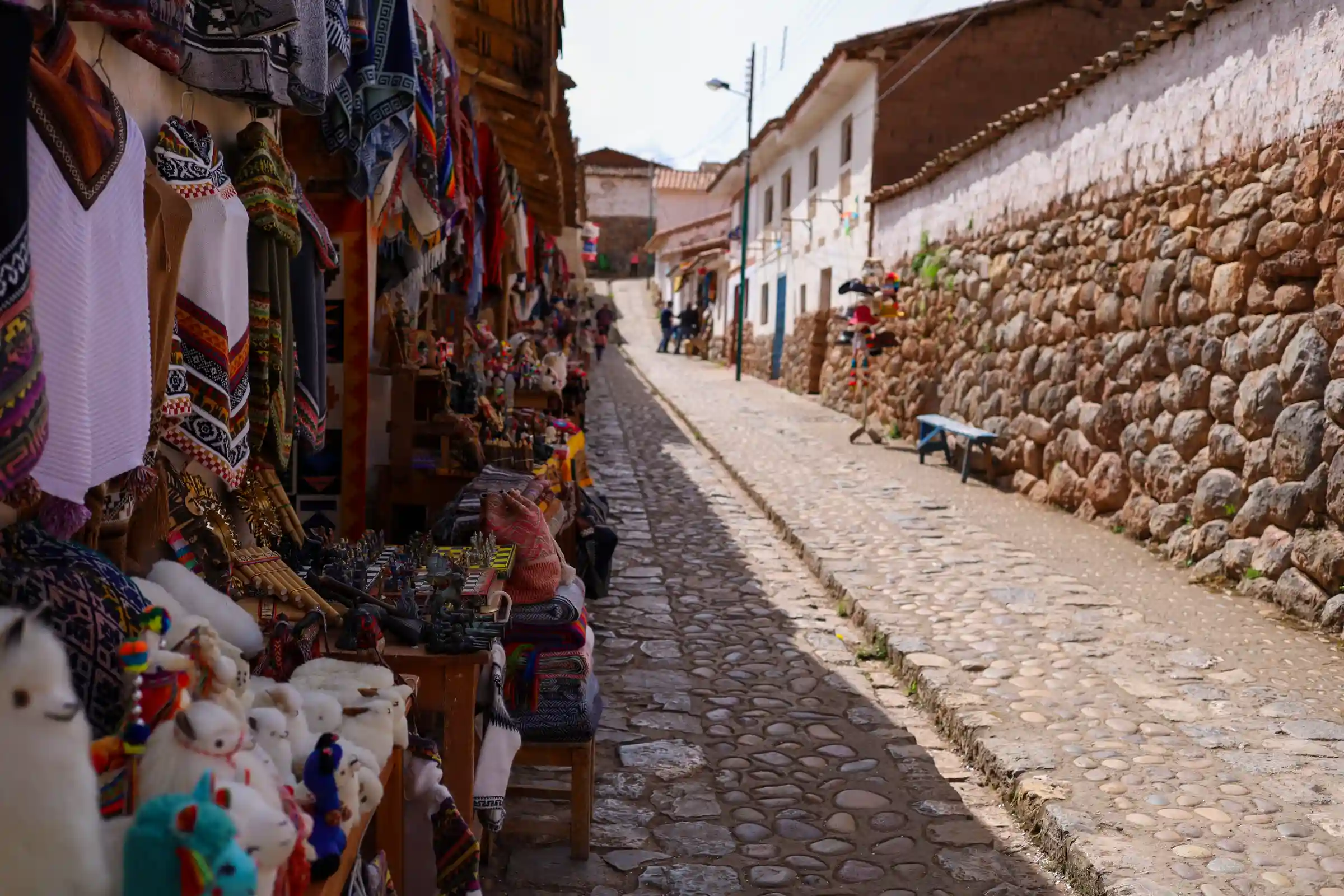
Chinchero is famous for its weaving tradition. The market is largest on Sunday, when people from the surrounding communities come to sell produce; Tuesday and Thursday are smaller. Weaving centers in town show how wool is cleaned, spun and dyed with plants, minerals and cochineal.
What to Eat at the Markets in Cusco
- Fresh fruit juice: the easiest first taste of a Cusco market.
- Choclo con queso: boiled giant corn with a slice of fresh cheese.
- Local bread with cheese or avocado.
- Soups: perfect on a cold Cusco morning.
- Native potatoes and dishes with quinoa.
- Andean herbs: huacatay in sauces and muña as an herbal tea.
To learn more about local dishes, read our guides to chiri uchu, Peruvian cheese and the best restaurants in Cusco.
Food safety: choose busy stalls with freshly cooked, hot food. If your stomach is sensitive, avoid raw food and ice before a trek such as the Inca Trail or Salkantay.
What to Buy and How to Bargain
- Textiles: not everything colorful is handmade. Handwoven pieces have small irregularities, more complex patterns and higher prices.
- Alpaca: many items are blends or synthetic. Ask what the product is made of; very cheap “baby alpaca” is rarely real.
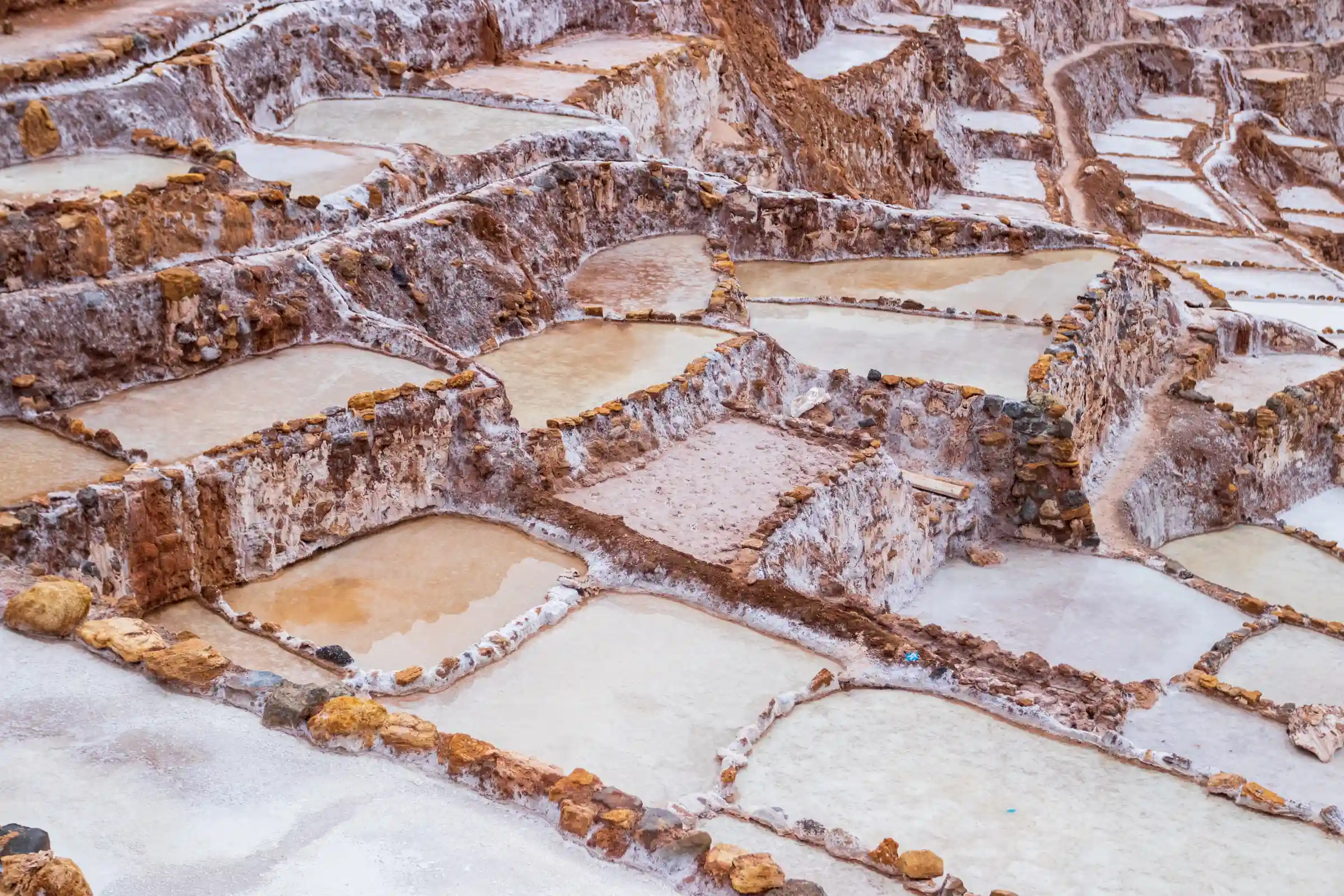
- Edible souvenirs: Peruvian chocolate, coffee and Maras salt from the Maras salt mines.
- Coca leaves: legal in Peru, but illegal to import into many countries. Do not take them home.
Polite bargaining is normal for crafts, but not for food. Do not push hard on a handmade piece that took days to make.
Tips for Visiting Markets in Cusco
- Go in the morning: from about 7:00 to 9:30 AM the produce is fresher and the crowds are smaller.
- Carry soles in small notes: most stalls only take cash. See our guide to the exchange rate in Peru.
- Watch your belongings: keep your phone out of back pockets and wear your backpack in front in crowded aisles.
- Ask before photographing people: markets are workplaces. Wide shots of products are fine.
- Take it slowly: Cusco is at 3,400 m. A market walk is an ideal activity for your first day while you acclimatize to the altitude.
- Allow 45 to 90 minutes for San Pedro.
Visit San Pedro Market with a Local Guide
Exploring alone is easy, but a guide explains what each ingredient is and how it is used. Our Cusco Food Tour (from USD 30) starts with hotel pickup, visits San Pedro Market and continues with a Peruvian cooking class and lunch, in small groups of up to 5 people.
You can also combine a morning at San Pedro with the afternoon Cusco City Tour (from USD 13) to the Qorikancha, Sacsayhuaman and nearby Inca sites. For more ideas, see our top attractions in Cusco, our guide to local markets in Peru and all our tours in Cusco.
FAQs About Markets in Cusco
What is the most famous market in Cusco?
San Pedro Market, a 10-minute walk from the Plaza de Armas. It opened in 1925 and is part of Peru’s Cultural Heritage.
Did Gustave Eiffel design San Pedro Market?
No. It is a popular myth. The market was designed by the Peruvian engineer Teodoro Elmore.
What is the best time to visit the markets in Cusco?
Early morning, between 7:00 and 9:30 AM, when produce is fresh and the aisles are less crowded.
Is it safe to eat at San Pedro Market?
Many travelers eat there without problems. Choose busy stalls with hot, freshly cooked food, and be careful with raw food before a trek.
Which market has fewer tourists?
Wanchaq, Cascaparo, Ttio and Vinocanchón are used mainly by local residents.
Which day is best for Pisac and Chinchero markets?
Sunday is the busiest and most colorful day at both. Pisac is open every day; Chinchero is smaller on Tuesday and Thursday.