
Research and validity: Sources checked November 14, 2026. Rules and quoted rates apply as labeled; confirm 2027 arrangements with the relevant authorities and operator.
A trekking emergency rarely begins with a dramatic rescue scene. More often, someone starts walking unusually slowly, a cloud moves across an exposed pass, a companion slips on wet stone, or an apparently manageable headache worsens while the group gains altitude. In the Andes, the first decisions made by travelers and guides can determine whether the situation remains minor or becomes life-threatening.
This guide explains how to prepare for a medical or environmental emergency on remote routes near Cusco and elsewhere in Peru, how to recognize situations that need urgent action, and what questions to ask before trusting an operator with several days beyond vehicle access. It is written for travelers, not as a substitute for wilderness first-aid training or advice from an emergency clinician. Every intervention must respect the rescuer’s level of training, the scene’s safety and local medical instructions.
What is the first priority when something goes wrong?
Stop, protect the group from immediate danger, and make a short assessment before anyone rushes to act. Check whether falling rocks, unstable slopes, lightning, moving water, traffic, frightened animals or extreme cold still threaten the scene. Moving blindly toward an injured person can create two casualties. Assign one competent person to coordinate while another checks the group’s location and the availability of communication. People who are not involved in care can gather insulation, shelter, water and equipment.
An initial response can be remembered as scene safety, response, breathing, serious bleeding, warmth, communication and evacuation planning. If a person is unresponsive or not breathing normally, follow current resuscitation training and seek emergency assistance immediately; the appropriate response may include CPR and an AED if available. Control life-threatening external bleeding using methods for which a rescuer is trained. Avoid giving food or drink to an unconscious or confused person. Do not move a person with suspected serious spinal injury unnecessarily unless leaving them where they are creates a greater immediate danger.
Report observations rather than diagnoses to the guide or rescue coordinator: ‘unable to walk without support,’ ‘breathless while sitting,’ or ‘fell approximately two meters and cannot bear weight’ is far more useful than saying ‘looks bad.’ Write down the time symptoms began, relevant medication taken, changes in consciousness and whether the person is improving or deteriorating. This simple record can help clinicians later.
Which symptoms require immediate evacuation rather than a rest break?
A persistent mild headache after ascent may permit assessment and careful monitoring without further climbing. It is different from a severe or worsening headache accompanied by confusion, poor coordination, repeated vomiting, or reduced alertness. These are red flags for serious altitude illness or other neurologic emergencies. Sudden weakness, facial drooping, seizures and unexplained behavior also require urgent medical assessment, regardless of elevation.
Similarly, breathlessness while climbing a steep trail can be expected, but breathlessness at rest, chest pain, blue or gray lips, severe weakness, and cough accompanied by difficulty breathing are not acceptable trekking discomforts. Consider high-altitude pulmonary edema among possible causes at elevation, while remembering that asthma, heart disease and infection can also produce respiratory distress. Appropriate rescue planning is based on clinical danger, not certainty about which diagnosis will eventually be made.
Severe bleeding, suspected fractures that prevent safe walking, head injury with confusion, persistent low body temperature, heatstroke signs, or symptoms of severe allergic reaction also justify urgent help. In a remote area, the decision to evacuate should be made early enough that the person can still be moved safely. Waiting until darkness or a storm arrives can multiply the danger.
| Warning sign | Immediate priority | Common mistake to avoid |
|---|---|---|
| Confusion, inability to walk straight after ascent | Stop ascent; urgent medical help and plan descent | Assuming exhaustion is the sole cause |
| Shortness of breath at rest | Reduce exertion; urgent assessment, oxygen if trained/equipped; evacuation | Forcing the person to walk faster |
| Heavy bleeding | Direct pressure or trained hemorrhage control; call for help | Removing a dressing repeatedly to inspect |
| Suspected serious head or spine injury | Protect airway and scene; restrict unnecessary movement; call rescue | Pulling the person upright for a photograph or transport |
| Cold, confused, shivering or worsening lethargy | Shelter, insulation and safe rewarming; urgent assistance | Leaving wet clothing in contact with skin |
| Severe allergic reaction | Emergency action plan, prescribed auto-injector if available, urgent evacuation | Waiting to see whether breathing problems settle |
How should a group respond to altitude sickness?
The key decision is not to continue upward with worsening symptoms. The Wilderness Medical Society’s updated guidance treats descent as central to severe acute mountain sickness and to high-altitude cerebral or pulmonary edema. Affected trekkers should not descend alone. Their companions should minimize exertion, help with insulation and arrange safe movement toward lower elevation. Supplemental oxygen can help when available, but short bursts from consumer oxygen cans are not a substitute for definitive care.
For mild symptoms, a trained leader may monitor the traveler at the current altitude, reduce activity and reassess regularly. If symptoms worsen or do not improve, descending and obtaining clinical advice become increasingly important. The presence of a pulse oximeter does not overrule the clinical picture: normal readings vary with elevation, and a single number can be misleading. A person who is confused or breathless at rest needs urgent action even if a small device displays a reassuring figure.
Travelers sometimes ask whether coca tea, caffeine or a particular tablet can ‘cure’ altitude illness. No folk remedy makes it safe to keep climbing when neurologic or respiratory red flags appear. Preventive or treatment medication such as acetazolamide or dexamethasone should be discussed with a clinician or administered by someone operating under an appropriate protocol. This article intentionally does not supply a self-treatment dose: the relevant diagnosis, contraindications and access to evacuation matter.
What is the right way to handle a fall or suspected fracture?
Before touching the patient, inspect the fall zone for loose stones or unstable ground. Keep the person still while a trained responder checks for life-threatening injuries, then evaluate pain, swelling, deformity, sensation, movement and circulation beyond the injured area. Do not attempt to straighten a severely injured limb except under applicable first-aid training and guidance. A splint can reduce movement and pain, but it must not obstruct circulation. Recheck fingers or toes after any immobilization.
For a person who can walk, do not automatically send them downhill alone. An ankle injury can worsen on loose steps; a head injury may cause delayed confusion. For a person unable to bear weight, a genuine evacuation plan is needed. Improvised carrying on steep, narrow trails is demanding and can expose helpers to a second fall. The group may need to stabilize, shelter and wait for qualified assistance rather than force a high-risk descent.
When documenting the incident, record whether the person struck their head, lost consciousness, used anticoagulant medication, or developed new nausea, confusion or weakness. These details can change the urgency of clinical assessment. If the safest action is to remain at the site temporarily, choose shelter that is secure from further rockfall, water and wind—not simply the nearest flat-looking ground.
How do hypothermia and heat illness differ in the Andes?
Mountain weather can cause dangerous cooling even when air temperatures are above freezing. Rain and wind remove heat from wet clothing, while an exhausted hiker may stop generating enough warmth. Shivering, poor coordination and unusual quietness are reasons to intervene early. Move to shelter, replace or isolate wet clothing where possible, insulate from the ground and protect the head and torso. A person with significantly altered consciousness needs urgent care; aggressive handling and inappropriate attempts to force hot drinks may be dangerous.
Heat problems occur too, especially during long descents into low valleys such as the Apurímac Canyon. Heavy exertion, sun exposure and limited shade can produce dehydration or heat exhaustion. Confusion, collapse and severe overheating point toward heatstroke, a medical emergency requiring rapid cooling and urgent help. The safest action depends on whether the main threat is heat or cold. Do not assume every exhausted hiker needs the same treatment.
Adequate rest, weather-appropriate layers, meals and a realistic pace reduce both extremes. A group should never split merely because some hikers prefer to reach camp early. If separation is unavoidable for a controlled evacuation, each subgroup needs competent leadership, communication and a clear destination.
What happens if a storm, landslide or river blocks the trail?
The safest decision may be to stop moving. During lightning, avoid exposed ridges, isolated high points, metal structures and water; seek safer terrain where possible rather than sheltering directly beneath a lone tree. Rockfall areas and saturated steep slopes may remain dangerous after visible rain has stopped. A damaged bridge is not an invitation to improvise a crossing, particularly when water is cold, fast or clouded by sediment.
A guide should identify alternatives before attempting a hazardous obstacle. Options include waiting at a secure site, returning to the last known safe lodging, using a documented alternate path, or arranging vehicle support on a different route. The decision must account for daylight, group condition and the consequences of being stranded. A delayed arrival at camp is inconvenient; a rescue from a flooded river is much more serious.
In remote valleys, satellite or radio updates can be more useful than a downloaded weather forecast from the previous day. Keep reserve food and warm clothing available in case a one-day crossing becomes an overnight delay. Do not set a departure schedule that depends on taking risks to meet a train booking.
Who should contact emergency services in Peru, and how?
Official Peruvian guidance lists 105 for police and 116 for firefighters. 106 is the SAMU medical emergency line in areas where that service operates. These numbers are worth saving, but they do not guarantee an immediate helicopter or ambulance in a high valley without phone signal. The on-scene coordinator may first need to reach a ranger, community authority, road-access point or company dispatch center capable of relaying the location.
When communication is possible, send concise facts: caller name and callback method; coordinates and their map datum if known; nearby named pass, river or camp; number of injured; what happened; time; consciousness and breathing status; immediate hazards; weather; available shelter; and safest likely access from a road. Provide the number of people able to help carry equipment. Confirm who is coordinating and agree on the next communication time if contact is intermittent.
An SOS transmission is the start of a rescue process, not proof that a team is already on its way. Keep the device accessible, preserve battery life and follow instructions from the response service. Avoid moving away from the reported coordinates unless doing so is essential for safety; if movement occurs, update the rescue coordinator promptly.
How does evacuation actually work on the Salkantay, Inca Trail and Choquequirao routes?
Salkantay: High sections around the pass are cold, exposed and far from effortless assistance. Some itinerary segments connect to roads or settlements, but an evacuation route depends on where the incident happens. The guide should know which direction loses altitude most safely and whether a vehicle or animal support can realistically approach a patient. Weather can change the chosen option.
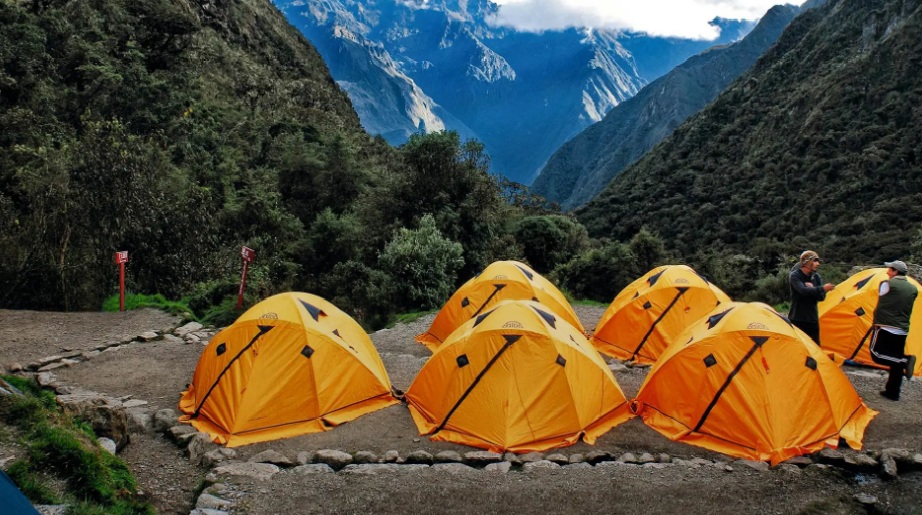
Classic Inca Trail: Managed access, archaeological paths and steep original stone stairways create practical limitations for carrying someone. A rescue must be coordinated with authorized staff and relevant control points. Travelers should not assume that a tour vehicle can reach the next campsite or that an unauthorized shortcut is acceptable. This is a reason to discuss medical history and evacuation insurance before obtaining a limited permit.
Choquequirao: The descent and ascent through the Apurímac Canyon create a different hazard profile: intense sun at lower elevations, substantial vertical gain, steep paths and a limited number of exit corridors. A problem at a remote guesthouse or between settlements may require lengthy movement before road access. Horse transport and local support arrangements must be assessed realistically; animals are not a universal substitute for a professional stretcher or ambulance.
In all three cases, ’emergency oxygen included’ is a useful detail only if it is functional, accessible, supplied in an adequate quantity for the plan and carried by personnel who know when to use it. Ask what else happens after the initial intervention: who authorizes the evacuation, which route is used, and who coordinates subsequent medical care.
What should a family or solo traveler ask during the pre-trek briefing?
Ask the leader to identify the group size, assistant-guide arrangements, emergency equipment and person making decisions if the lead guide is the patient. Clarify when members may move at different speeds and how the back of the group will be supervised. Discuss medication and medical information privately rather than in front of strangers. Agree on a simple signal for requesting an unscheduled rest or reporting worsening symptoms.
Parents should confirm age requirements, realistic walking hours, temperature exposure and whether a child can be removed from the route if exhausted. A solo traveler joining a group should understand whether the program will pair them with support if they need to turn back. Anyone who depends on a wheelchair, crutches, a hearing aid, an insulin-cooling method, a CPAP device or another essential aid needs an individualized feasibility assessment before payment—not a vague promise that ‘the staff will help.’
Finally, ask what the operator will do when a guest refuses to descend despite serious warning signs. A legitimate safety protocol must prioritize life over customer pressure. An experienced team should be able to explain its rules calmly and without exaggeration.
What should be settled before a remote Andean trek begins?
A remote trek is different from a day walk outside Cusco. A trail that looks close to a road on a map may be separated from it by a deep valley, a river without a bridge or a pass that cannot be crossed safely in bad weather. Before departure, learn the planned overnight locations, maximum elevation, major escape routes, likely time to reach the nearest vehicle and the point at which mobile reception disappears. The guide should know who has the medical kit, who controls the pack animals or support transport, and whom to contact if the planned route cannot be used.
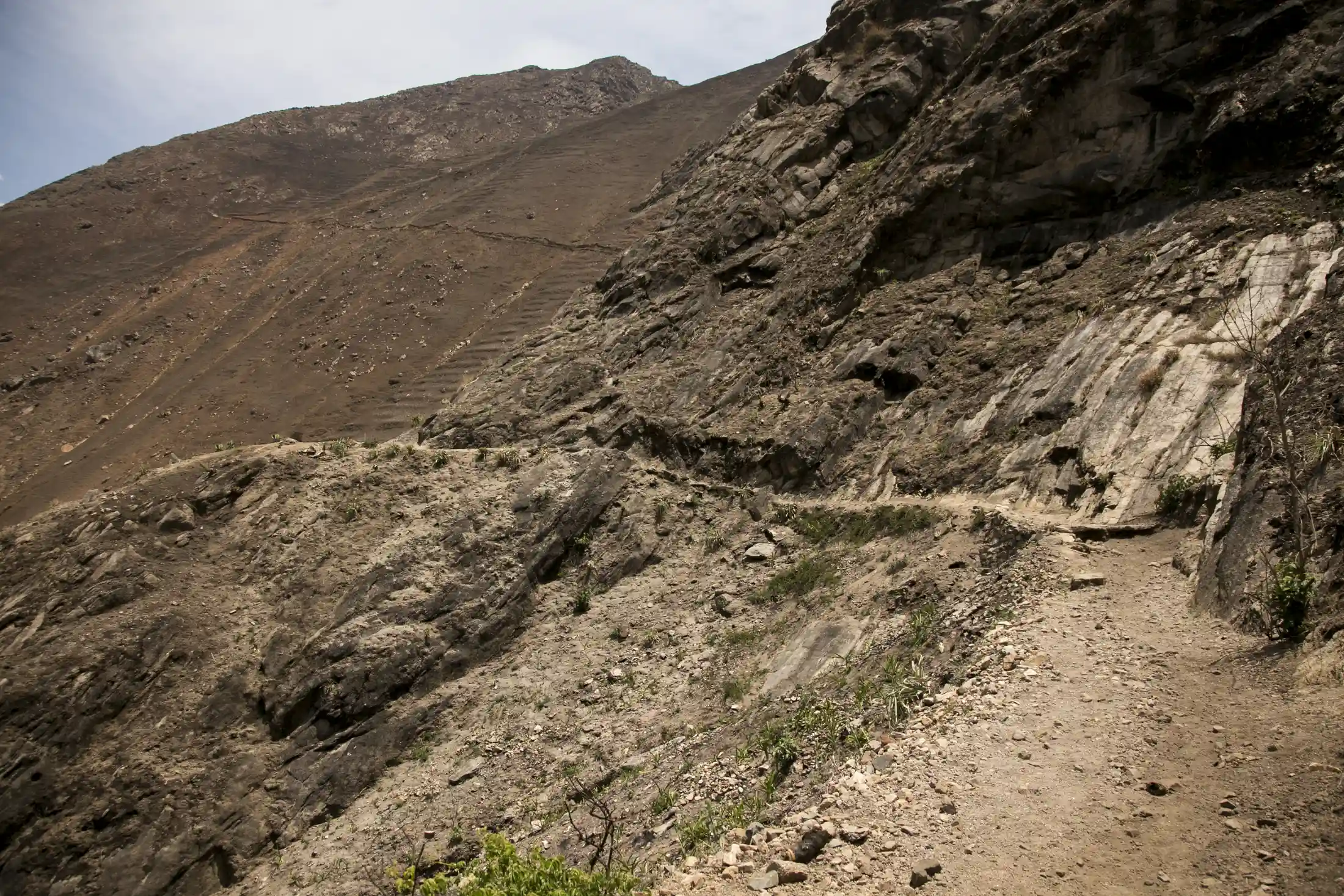
This information must be specific to the itinerary. The Salkantay route, high sections of the Inca Trail and the steep valleys around Choquequirao have different exit options and different ways of moving an injured person. Some treks can reach a road with a short descent; others require backtracking for hours. Ask for the decision point at which the guide will stop an ascent or cancel a pass crossing. A strong safety culture gives the leader authority to change plans before conditions become critical.
Participants should privately disclose relevant medical conditions, allergies, regular medication and any prior altitude illness to the operator in advance. This is not a promise that an expedition can manage every condition. Rather, it allows a realistic discussion of route suitability, the limitations of emergency support and whether a qualified healthcare professional should assess the traveler before they depart.
Why does altitude make ordinary problems more serious?
At altitude, lower air pressure reduces the amount of oxygen available with every breath. The CDC’s 2026 Yellow Book identifies Cusco as a high-altitude destination and advises gradual adaptation. Headache, nausea, fatigue or disturbed sleep after ascent may represent acute mountain sickness, but these findings also overlap with dehydration, infection and other conditions. A fit runner is not automatically protected. A guide must evaluate symptoms rather than assume that a slow walker merely needs motivation.
High-altitude cerebral edema may cause confusion, loss of coordination or an altered level of consciousness. High-altitude pulmonary edema can present as increasing breathlessness, declining exercise capacity, cough and eventually distress at rest. Both are urgent and require professional management and prompt movement toward lower altitude when feasible. The Wilderness Medical Society identifies descent as the key treatment for severe altitude illness, with supplemental oxygen helpful when available. Medication choices and dosing belong to clinicians or appropriately trained professionals following a medical protocol, not to generic tour-blog instructions.
Acclimatization reduces risk but cannot eliminate it. Avoid planning a demanding 4,000 m-plus day immediately after arriving from sea level where an alternative schedule exists. Treat a worsening symptom as a reason to stop ascending. On the trail, keeping a person warm, closely observed and accompanied while arranging help is more important than finishing a route or preserving a summit photograph.
What equipment and clothing make a meaningful difference?
A waterproof shell, warm insulation, hat, gloves and dry spare layers help prevent exposure when wind or rain arrives suddenly. Wear broken-in boots or hiking shoes suited to the terrain; a new pair that causes blisters can slow evacuation and degrade judgment. A headlamp with spare power is essential even on routes expected to finish in daylight. Carry sufficient water treatment or the purified water arrangement specified by the operator, as well as food suitable for unexpected delays.
Keep your personal medication, an emergency warm layer, snacks, phone, headlamp and relevant documents in your daypack rather than a duffel carried by a horse. Pack animals can be several hours away or unable to reach an exposed section of trail. Useful personal items include a whistle, sun protection, dry bags, a compact emergency blanket and a written emergency contact. Guides may carry shared first-aid and oxygen equipment, but neither should be treated as a replacement for specialist rescue services.
A satellite messenger, radio or other off-network communication system may be appropriate for genuinely isolated routes; ask whether it will actually be carried, tested and monitored. A mobile phone with downloaded maps is helpful but cannot be relied on for service in every valley. If a device uses an SOS button, understand who receives the alert, whether an active subscription is required, and how the expedition will describe its exact location to rescuers.
What is the role of guides, porters, muleteers and cooks in safety?
Safety is a team system. A trekking leader sets pace, observes changes in health and makes route decisions. Muleteers or porters may transport shelter, supplies and the group’s heavier bags, but their animals and workers also need safe limits and conditions. Drivers and accommodation partners can provide access to roadheads. A cook is not merely a luxury: reliably prepared meals and sufficient calories make long consecutive days more manageable, especially where a village shop may not exist.
Meals should include appropriate energy sources, safe drinking water and clear handling of allergies. Ask how the operator manages food storage, handwashing, cooking surfaces and special diets. Do not infer that a company holds a particular formal food-safety certification simply because its marketing mentions good practices. Vegetarians, vegans and travelers with gluten intolerance or severe allergies need different levels of planning; serious allergy management requires explicit discussion of cross-contact risks. Private departures may make more complex customization possible, sometimes with a documented extra charge.
Machu Picchu Team’s published trek information describes local guiding and support personnel, meals prepared for demanding walks, and specific equipment arrangements that vary by trek. Its Salkantay five-day description includes a kitchen team and multiple dietary options, while its four-day Choquequirao page specifies guesthouse lodging and guide-carried emergency oxygen and first-aid supplies. These details should not be copied from one departure to another: verify the actual accommodations, support team and kit in the specific tour contract.
How does the time of year change risk?
The southern Andes often experience wetter conditions from roughly November through March, while many trekking itineraries favor relatively drier months from May to September. The familiar labels ‘wet’ and ‘dry’ conceal enormous variation by valley and altitude. Rain can trigger landslides, erode a narrow trail or make a river crossing unsafe; unexpected snow and intense wind can occur on high passes even in the drier season. Cold nights can happen year-round.
At the start of a day, inspect actual weather, stream conditions and route reports rather than relying only on a seasonal average. Near cliffs and exposed traverses, turning back early may be the only safe choice. Never approach a swollen river on the assumption that the guide can make a dangerous crossing routine. During dry months, ultraviolet exposure, dust and cold conditions still matter. Travelers need both a flexible schedule and clothing that addresses different hazards.
Before booking a 2027 trek, verify whether the trail is officially open in the requested season, whether permits or entry limits apply, and how transport disruptions are handled. Different treks have different rules. The Inca Trail has controlled access and a seasonal closure practice, while independent alternative routes may be governed by local communities, protected-area conditions or temporary decisions. Confirm official restrictions for the precise travel date rather than extrapolating one trail’s closure to every Andean route.
How can visitors judge insurance and the real cost of an expedition?
Read the wording of insurance coverage, especially maximum trekking altitude, helicopter or ground evacuation coverage, search-and-rescue conditions, medical treatment, pre-existing conditions and the distinction between an organized hike and technical mountaineering. A policy described as ‘worldwide travel insurance’ may exclude the very activity being booked. Keep the policy number and emergency assistance contact available offline to the expedition leader as well as at home.
Budget for gear rental, baggage transfer allowances, nights before and after the trek, gratuities, personal snacks, dietary extras explicitly charged, and unexpected transfers in the event of illness or road closure. Ask whether the quoted price includes admission, trail permits, return transport and emergency-related arrangements. Medical evacuation can involve separate providers and costs, so do not assume the booking fee includes rescue. Rechecking the written quote is more valuable than comparing only the prominently displayed tour price.
Early reservation is particularly important for regulated or capacity-limited routes and when a traveler needs private guiding, specific accommodations or specialized support. Leave enough time in Cusco for a proper briefing and altitude adaptation. In 2027, treat 2026 prices as dated references only: official visitor fees, permitted capacities and commercial supplies can change. A safe itinerary is adaptable, but it should never be vague about who decides what happens in an emergency.
What should a group rehearse before its first remote pass?
A five-minute tabletop exercise can reveal gaps that a long equipment list hides. Imagine that one hiker becomes confused and cannot walk steadily just below a high pass. The guide should be able to identify a safe stopping point, prevent further ascent, assign one person to stay continuously with the patient, decide which route loses altitude, and contact the appropriate local support. The rest of the group needs a separate plan so that the patient is not pressured to continue simply because everyone else wants to reach camp.
Run a second scenario: a hiker falls near a river crossing and cannot stand. Who is qualified to provide first aid? Which supplies are in the daypack rather than with the distant mule train? Can the group accurately give coordinates and a recognizable local place name? Is an alternate shelter available if help is delayed until morning? A plan that answers these questions in advance is much more credible than a vague promise of immediate rescue.
The group should also agree on the circumstances for turning back. A combination of deteriorating weather, slow pace, limited daylight and an injured participant may require stopping even when no single danger appears dramatic. This protects the injured person and avoids leaving the rest of the party exposed on an increasingly dangerous trail. Good leadership involves preventing a second emergency, not merely responding to the first.
How can travelers document and communicate an incident without losing time?
Once immediate life threats are being addressed, a companion can maintain a simple written or offline phone record. Include the date, local time, location, approximate elevation, what happened, symptoms witnessed, whether the person remained responsive, major changes and the times calls or messages were attempted. Keep details objective. ‘Was walking normally at 8:10; stumbling and confused by 8:30’ communicates a change more effectively than ‘felt unwell for a while.’
If one member leaves to seek help, record their destination, intended route, departure time and a fallback plan for no return. Sending an unprepared person alone into darkness or uncertain terrain can compound the emergency. The person seeking help should know the patient’s location and condition and have a reliable way to explain both. Where communications permit, share the same incident summary with the operator’s local coordinator and medical assistance service so that messages remain consistent.
Privacy matters too. Medical details should be shared with rescuers and responsible operational staff as necessary, not turned into public social-media updates. Photographing an injured guest for publicity is inappropriate. If photographs of a trail hazard are needed for the rescue or a subsequent report, take them only when it does not interfere with care or scene safety.
What happens after the person reaches a road or clinic?
Evacuation is not complete when the patient is placed in a vehicle. There must be a handover describing symptoms, injuries, treatment already provided, medications taken and known allergies. The operator should communicate with the receiving facility or qualified responders as practicable, preserve relevant documentation, and establish who will assist the rest of the group. Where a traveler has insurance assistance, the policy’s emergency team may need timely notification and documentation of medical recommendations.
The traveler should not be pressured to rejoin a demanding trek before appropriate assessment and recovery. A serious altitude-related illness may make returning to higher elevation unsafe even when symptoms briefly improve after descent. The remaining travelers may need an adjusted itinerary, luggage retrieval or changed train arrangements. Clarifying financial responsibilities for those changes is important, but it should happen after urgent safety needs have been addressed.
For everyone involved, a short post-incident review can improve future safety: what worked, which communications failed, whether equipment was accessible, and what the route briefing should explain more clearly next time. A professional expedition is measured not by claiming that emergencies never happen, but by how responsibly it prepares, acts and learns.
Relevant trip options and further reading
For comparing practical routes and support arrangements, see Salkantay Trek 5 Days, Classic Inca Trail 4 Days, and Choquequirao Trek 4 Days.
Source notes and verification
- CDC Yellow Book 2026: High-altitude travel — altitude exposure and prevention (published 2025).
- Wilderness Medical Society 2024 altitude recommendations — descent, oxygen and severe illness.
- Peru government emergency telephone directory — 105, 116 and regional SAMU coverage.
- Machu Picchu Team: Salkantay Trek 5 Days and Choquequirao Trek 4 Days — example inclusions; reconfirm at booking.