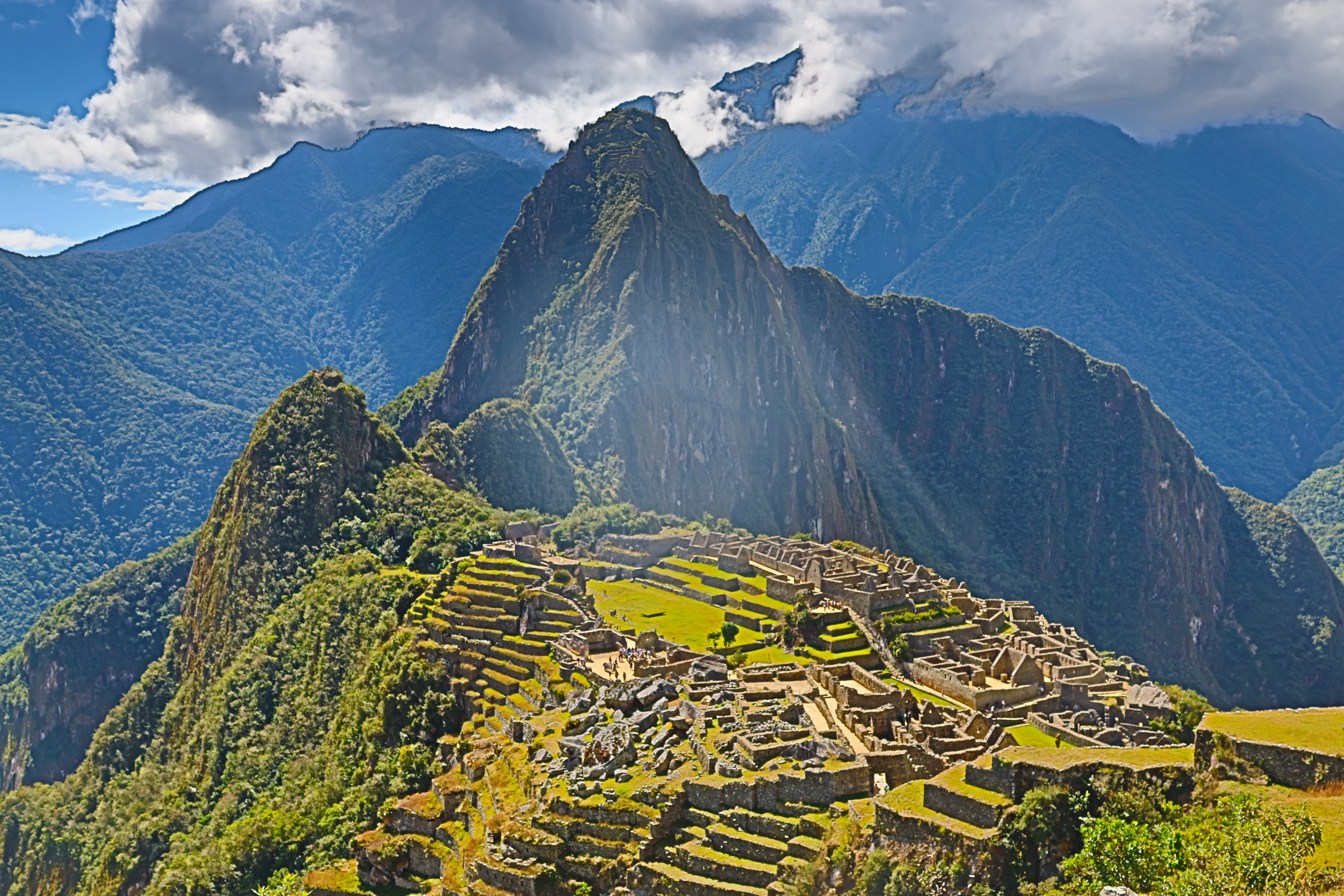
Cocalmayo Hot Springs, also known as the Santa Teresa Hot Springs, are among the most beautiful natural thermal baths in the Cusco region.
Located near the town of Santa Teresa in La Convención Province, Cocalmayo offers a completely different experience from the cold, high-altitude landscapes most travelers associate with Cusco.
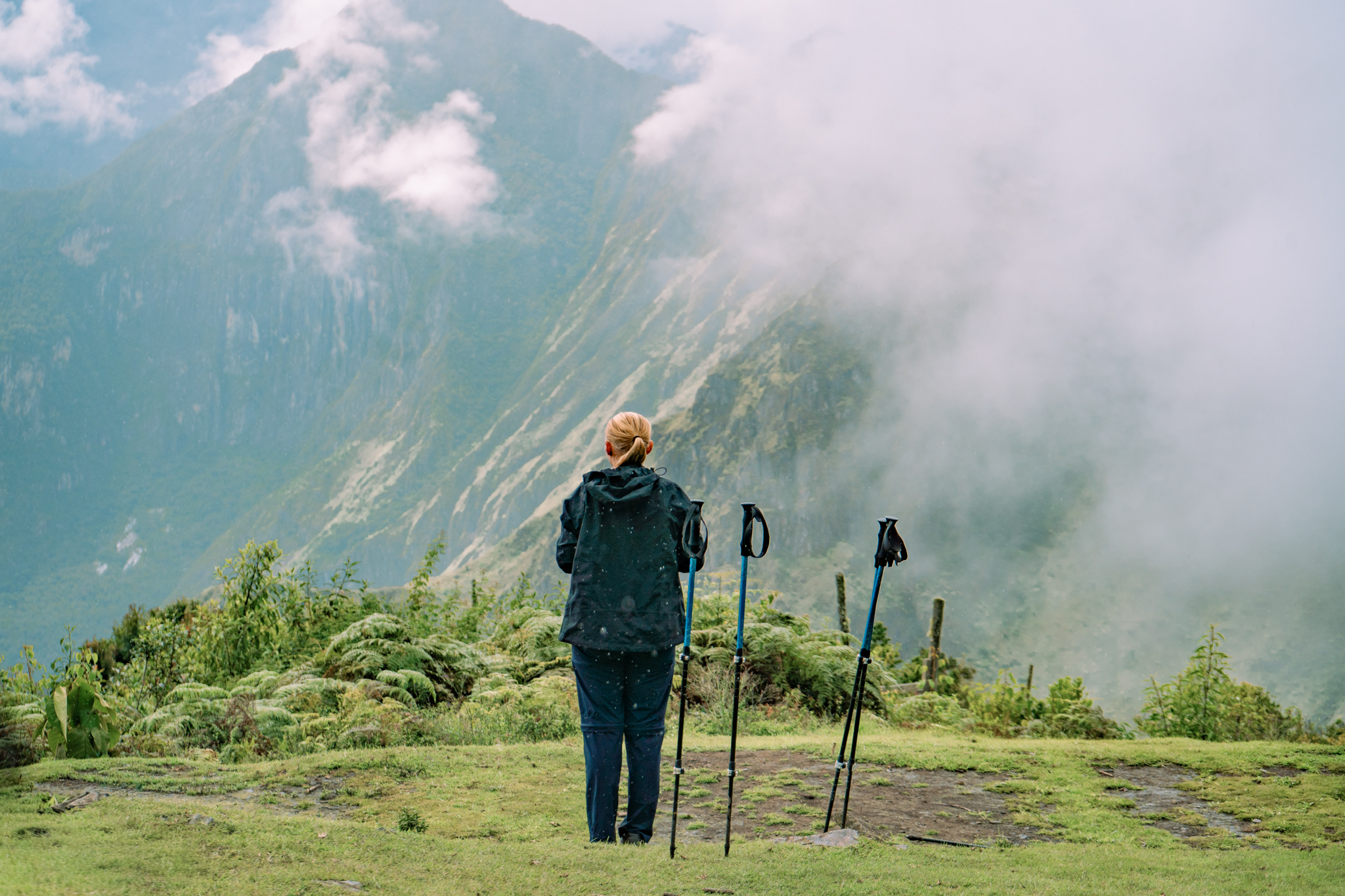
Here, visitors find warm thermal pools surrounded by lush vegetation, steep mountains, tropical valleys, and the dramatic scenery of Peru’s cloud forest.
Cocalmayo is particularly popular with travelers completing the Salkantay Trek to Machu Picchu, but the hot springs can also be visited independently from Cusco, Santa Teresa, Hidroelectrica, or as part of a longer alternative route toward Machu Picchu.
After several days of hiking, few experiences feel better than relaxing in naturally warm water surrounded by mountains.
This complete Cocalmayo Hot Springs Travel Guide from Machu Picchu Team in Cusco explains how to get there, what the pools are like, the best time to visit, what to pack, where to stay, how to combine Cocalmayo with Machu Picchu, and everything travelers should know before visiting Santa Teresa.
Cocalmayo Hot Springs at a Glance
| Detail | Information |
|---|---|
| Destination | Cocalmayo Hot Springs |
| Also known as | Santa Teresa Hot Springs |
| Location | Santa Teresa, La Convención, Cusco |
| Environment | Cloud forest / tropical mountain valley |
| Main attraction | Natural thermal pools |
| Best for | Relaxation, trekkers, couples and nature lovers |
| Typical visit duration | 1.5–3 hours |
| Nearest town | Santa Teresa |
| Difficulty | Easy |
| Swimming ability required | No |
| Water temperature | Warm to hot, depending on pool |
| Best general season | April to October |
| Rainier period | November to March |
| Common combination | Salkantay Trek + Machu Picchu |
| Recommended items | Swimsuit, towel, sandals and insect repellent |
| Payment | Carry Peruvian soles for local expenses |
What Are the Cocalmayo Hot Springs?
Cocalmayo is a natural thermal bathing complex located in the valley near Santa Teresa.
Warm mineral-rich water emerges naturally from underground sources and feeds several pools where visitors can relax.
Unlike a conventional swimming pool, the main attraction is the combination of:
- Naturally heated water.
- Mountain scenery.
- Tropical vegetation.
- Fresh air.
- Relaxed atmosphere.
The setting is one of the reasons Cocalmayo is so memorable.
Visitors are surrounded by steep green mountains rather than buildings or urban development.
Where Are the Cocalmayo Hot Springs?
Cocalmayo is located near Santa Teresa, in the province of La Convención in the Cusco region.
The area lies northwest of Cusco and relatively close to the alternative overland route toward Machu Picchu through Hidroelectrica.
This location makes the hot springs especially convenient for travelers using:
- Salkantay Trek.
- Inca Jungle Trek.
- Santa Teresa.
- Hidroelectrica route.
- Alternative Machu Picchu by car itineraries.
Cocalmayo is much lower and warmer than Cusco.
Travelers arriving from the high Andes immediately notice the change in climate.
What Is Santa Teresa?
Santa Teresa is a small town in a warm valley of the Cusco region.
It serves as an important stop for travelers moving between the mountains and the Machu Picchu area through alternative routes.
The town is known for:
- Cocalmayo Hot Springs.
- Coffee plantations.
- Tropical fruits.
- Adventure activities.
- Salkantay Trek routes.
- Inca Jungle itineraries.
- Access toward Hidroelectrica.
Santa Teresa therefore makes a useful base for travelers wanting to spend more time exploring the area rather than simply passing through.
Why Visit Cocalmayo?
There are several reasons Cocalmayo deserves a place in a Cusco itinerary.
Relax After Trekking
This is probably the most popular reason.
Travelers completing several days of hiking can relax tired muscles in warm water.
Experience a Different Side of Cusco
Cusco is not only mountains above 4,000 meters.
The region also contains:
- Cloud forest.
- Warm valleys.
- Coffee plantations.
- Tropical vegetation.
Cocalmayo provides a completely different environment.
Enjoy the Landscape
The setting is beautiful.
Mountains rise dramatically around the thermal pools while lush vegetation covers the valley.
Combine It With Machu Picchu
Cocalmayo is conveniently located for travelers using the Hidroelectrica route toward Machu Picchu.
Escape Cold Mountain Weather
After cold mornings on routes such as Salkantay, the warm climate of Santa Teresa can feel especially comfortable.
What Are the Pools Like?
Cocalmayo contains several thermal pools with different water temperatures.
This allows visitors to move between warmer and more moderate pools according to personal preference.
The pools are fed by naturally warm water.
The experience is generally much more about relaxation than swimming.
You can simply sit in the water while enjoying the surrounding mountains.
Is the Water Very Hot?
The water ranges from comfortably warm to noticeably hot depending on the pool and current conditions.
Travelers can choose the temperature that feels most comfortable.
Avoid remaining in very hot water for excessive periods.
Take breaks, drink water, and pay attention to how your body feels.
Are the Hot Springs Natural?
The thermal water comes from natural underground sources.
The bathing pools themselves have been developed to make the springs easier and safer for visitors to enjoy.
The result combines a natural thermal source with visitor facilities.
Are Cocalmayo Hot Springs Medicinal?
You may hear local descriptions of the water as mineral or medicinal thermal water.
Many visitors find hot water useful for relaxation after physical activity.
However, travelers should avoid treating a visit as a substitute for medical treatment.
The main reason to visit is simple:
warm water, mountain scenery and relaxation.
Cocalmayo After the Salkantay Trek
Cocalmayo is especially famous among Salkantay trekkers.
A typical Salkantay journey begins in cold high-altitude landscapes and gradually descends toward cloud forest environments.
After hiking through areas such as:
- Salkantay Pass.
- Chaullay.
- Collpapampa.
- Lucmabamba.
- Santa Teresa region.
visiting thermal baths can feel incredibly rewarding.
Why Trekkers Love Cocalmayo
After several days of trekking, travelers may experience:
- Tired legs.
- Sore muscles.
- Dust.
- Cold mornings.
- Long hiking days.
Relaxing in warm water becomes one of the most enjoyable optional activities of the journey.
Is Cocalmayo Included in Every Salkantay Trek?
No.
Tour itineraries vary.
Some Salkantay packages offer the thermal baths as an optional activity.
Travelers may need to pay separately for:
- Transportation.
- Entrance.
Check exactly what your trekking package includes.
Cocalmayo and the 5-Day Salkantay Trek
The classic longer Salkantay route provides more opportunities to incorporate Santa Teresa and Cocalmayo than highly compressed itineraries.
Depending on the route, travelers may visit the hot springs after arriving in the warmer lower valleys.
This provides a relaxing contrast to the physical demands of the previous days.
Cocalmayo and the 4-Day Salkantay Trek
A 4-day Salkantay itinerary moves more quickly.
Some versions can still include the thermal baths, while others may prioritize transportation and reaching the Machu Picchu area.
Always check the exact itinerary.
Cocalmayo and the Inca Jungle Trek
Cocalmayo also works very naturally with the Inca Jungle Trek.
The Inca Jungle route combines adventure activities and travel through the warm valleys on the way toward Machu Picchu.
Depending on the itinerary, travelers may experience:
- Cycling.
- Hiking.
- Rafting.
- Ziplining.
- Coffee plantations.
- Cocalmayo Hot Springs.
This makes Santa Teresa one of the key destinations on many Inca Jungle adventures.
How to Get to Cocalmayo From Santa Teresa
Santa Teresa is the closest main town.
From town, travelers generally use:
- Taxi.
- Local transportation.
- Private vehicle.
- Walking.
The hot springs are only a short journey away.
For most travelers, taking local transportation is the easiest option.
Can You Walk From Santa Teresa to Cocalmayo?
Yes.
Walking can be an enjoyable option for active travelers.
However, consider:
- Weather.
- Time of day.
- Luggage.
- Darkness.
- Rain.
- Your level of fatigue.
After a multi-day trek, many travelers prefer using transportation.
How to Get to Cocalmayo From Cusco
Traveling directly from Cusco requires a long journey.
Cocalmayo is not comparable to a half-day destination such as Maras or Sacsayhuaman.
A typical overland route involves traveling from Cusco through the Sacred Valley and mountain roads before descending into the warmer valleys around Santa Teresa.
A common route generally follows:
Cusco → Ollantaytambo area → Abra Málaga → Santa María → Santa Teresa → Cocalmayo
Travel times vary considerably depending on:
- Road conditions.
- Weather.
- Traffic.
- Transportation.
- Stops.
For most travelers, Cocalmayo works better as part of an overnight or multi-day journey rather than as a rushed same-day excursion from Cusco.
Cusco to Cocalmayo by Private Transportation
Private transportation provides the most flexibility.
Advantages include:
- Direct travel.
- Customized stops.
- Flexible departure time.
- Easier luggage management.
The disadvantage is cost.
It makes more sense for:
- Families.
- Groups.
- Couples.
- Travelers combining several attractions.
Cusco to Cocalmayo by Shared Transportation
Budget travelers can travel toward Santa Teresa using combinations of shared vehicles and local transportation.
This option requires more planning.
You should be comfortable with:
- Changing vehicles.
- Rural transportation.
- Flexible schedules.
- Spanish-language communication.
It is better suited to experienced independent travelers.
Can You Visit Cocalmayo From Machu Picchu?
Yes, but geography makes the trip more complicated than it appears on a map.
Machu Picchu Pueblo, also called Aguas Calientes, is separated from Santa Teresa by the railway and Hidroelectrica corridor.
Travelers need to coordinate transportation carefully.
A common budget route involves:
Aguas Calientes → Hidroelectrica → Santa Teresa → Cocalmayo
Aguas Calientes to Hidroelectrica
Many backpackers walk between Aguas Calientes and Hidroelectrica along the route near the railway.
The walk generally takes several hours.
It is mostly gradual but becomes tiring when carrying luggage.
After reaching Hidroelectrica, travelers can arrange transportation toward Santa Teresa.
Is Cocalmayo a Good Day Trip From Aguas Calientes?
It is possible to incorporate Santa Teresa into an alternative itinerary, but Cocalmayo is generally better when you are already traveling through the Hidroelectrica or Santa Teresa area.
For visitors staying only one night in Aguas Calientes and traveling by train, making a special detour to Cocalmayo is usually inefficient.
Cocalmayo and Hidroelectrica
Hidroelectrica is an important transportation point on the alternative route to Machu Picchu.
Many travelers arriving by car from Cusco continue:
Hidroelectrica → walk to Aguas Calientes
Travelers moving through Santa Teresa can add Cocalmayo before or after this journey.
Suggested Alternative Machu Picchu Route With Cocalmayo
A possible itinerary is:
Day 1
Cusco → Santa Teresa → Cocalmayo
Stay overnight in Santa Teresa.
Day 2
Santa Teresa → Hidroelectrica → walk to Aguas Calientes
Stay overnight in Aguas Calientes.
Day 3
Machu Picchu → return through your selected transportation route
This creates a slower journey with more time to enjoy Santa Teresa.
Is Cocalmayo Better Before or After Machu Picchu?
Both options work.
Before Machu Picchu
Advantages:
- Relax before continuing to Aguas Calientes.
- Break up the long overland journey.
- Experience Santa Teresa at a slower pace.
After Machu Picchu
Advantages:
- Relax after several demanding travel days.
- Extend your journey beyond the standard Machu Picchu itinerary.
For Salkantay trekkers, Cocalmayo normally fits naturally before the final approach to Machu Picchu.
Best Time to Visit Cocalmayo Hot Springs
The general dry period between approximately April and October is often the easiest time to travel.
Advantages can include:
- Less rainfall.
- More stable road conditions.
- Better outdoor conditions.
- Easier walking.
However, Cocalmayo can be visited during other months as well when local conditions are suitable.
Dry Season: April to October
This period generally offers the most predictable travel conditions.
Cocalmayo feels very different from Cusco during these months.
While Cusco mornings can be freezing in June or July, Santa Teresa remains significantly warmer.
Rainy Season: November to March
The rainy season creates:
- Greener landscapes.
- Higher humidity.
- More insects.
- Rain.
- Potential road disruptions.
- Wetter trails.
January and February can be particularly rainy.
Travelers should monitor local road and weather conditions.
Cocalmayo by Month
| Month | General Conditions |
| January | Rainy and humid |
| February | Rainy |
| March | Rain beginning to decrease |
| April | Transition toward drier weather |
| May | Very good |
| June | Dry and pleasant |
| July | Dry |
| August | Excellent |
| September | Very good |
| October | Good |
| November | Rain increasing |
| December | Wetter |
Weather varies from year to year.
What Is the Climate Like?
Santa Teresa has a much warmer climate than Cusco.
Expect:
- Warm afternoons.
- Humidity.
- Tropical vegetation.
- Mosquitoes and insects.
- Mild evenings.
- Occasional rain.
Travelers often arrive wearing clothing suited for Cusco’s high altitude and quickly realize they need lighter clothes.
Cocalmayo vs Cusco Weather
| Cusco | Cocalmayo / Santa Teresa |
| High altitude | Lower altitude |
| Cool and dry | Warmer and more humid |
| Cold nights | Milder nights |
| Andean climate | Cloud forest climate |
| Fewer insects | More insects |
Pack for both environments if your itinerary includes Cusco and Santa Teresa.
What Is the Best Time of Day to Visit?
Different times provide different experiences.
Morning
Advantages:
- Usually quieter.
- Good for travelers continuing toward another destination.
- Comfortable temperatures.
Afternoon
Excellent after hiking or adventure activities.
This is a popular time for trekkers.
Evening
Cocalmayo can feel particularly relaxing after sunset.
The contrast between warm water and cooler evening air is enjoyable.
However, travelers should organize return transportation in advance.
Is Cocalmayo Good at Night?
Yes.
Many travelers particularly enjoy visiting after dark.
The mountain atmosphere becomes quiet and relaxing.
If visiting at night:
- Arrange transportation.
- Keep personal belongings organized.
- Bring dry warm clothes.
- Use insect repellent.
- Carry a light.
How Long Should You Spend at Cocalmayo?
For most visitors:
1.5 to 3 hours is enough.
This provides time to:
- Change.
- Try different pools.
- Relax.
- Take breaks.
- Shower and change afterward.
There is usually little benefit in remaining in very warm water for extremely long periods.
What to Bring to Cocalmayo
Bring a small bag with:
- Swimsuit.
- Towel.
- Sandals.
- Dry clothes.
- Insect repellent.
- Sunscreen.
- Water.
- Small cash.
- Personal toiletries.
- Waterproof bag for electronics.
Cocalmayo Packing Checklist
| Item | Priority |
| Swimsuit | Essential |
| Towel | Essential |
| Sandals | Highly recommended |
| Dry clothes | Essential |
| Insect repellent | Essential |
| Water | Recommended |
| Sunscreen | Recommended |
| Cash | Essential |
| Waterproof phone pouch | Recommended |
| Personal toiletries | Recommended |
| Small backpack | Recommended |
Do You Need to Bring a Towel?
Yes, unless your tour or accommodation specifically provides one.
A lightweight quick-drying travel towel is ideal.
Trekkers should avoid carrying a heavy hotel-style towel if luggage space is limited.
Do You Need Sandals?
Sandals or flip-flops are extremely useful.
They make it easier to move between:
- Changing areas.
- Showers.
- Poolside areas.
Do not rely exclusively on wet hiking boots.
Should You Bring Insect Repellent?
Absolutely.
Santa Teresa is located in a warmer cloud forest environment where mosquitoes and other insects are more common than in Cusco.
Apply repellent particularly:
- Late afternoon.
- Evening.
- Around vegetation.
Long lightweight clothing can also help.
Do You Need Sunscreen?
Yes.
Warm water and tropical vegetation can make travelers underestimate sun exposure.
Apply sunscreen before spending time outside.
Should You Bring Cash?
Yes.
Carry Peruvian soles, preferably in smaller denominations.
Cash may be useful for:
- Entrance.
- Transportation.
- Snacks.
- Drinks.
- Local services.
Do not assume every local business accepts international credit cards.
Are There Changing Rooms?
Basic visitor facilities are available for changing and preparing for the pools.
Facilities should be expected to be practical rather than luxurious.
Bring your own toiletries and towel when possible.
Are There Showers?
Visitors can generally rinse before or after bathing.
Following local hygiene instructions helps keep the pools pleasant for everyone.
Are There Lockers?
Storage arrangements can change.
Avoid bringing unnecessary valuables.
Keep important belongings minimal and secure.
Should You Bring Your Passport?
Your original passport is usually unnecessary solely for visiting thermal baths.
However, trekkers and travelers continuing toward Machu Picchu may already be carrying their passports because they need them for later parts of the itinerary.
Keep travel documents in a waterproof bag.
Can You Bring a Camera?
Yes.
Cocalmayo has beautiful mountain scenery.
However, water and humidity create risks for electronic equipment.
Use:
- Waterproof pouch.
- Protective case.
- Dry bag.
Avoid leaving cameras or phones unattended.
Is Cocalmayo Safe for Swimming?
Cocalmayo is primarily used for relaxing in thermal pools rather than active swimming.
Follow local rules and use the areas designated for visitors.
Always be careful around:
- Wet surfaces.
- Pool edges.
- Steps.
Avoid running.
Do You Need to Know How to Swim?
No.
The experience is mainly about sitting and relaxing in the warm pools.
Travelers who cannot swim should remain in comfortable areas and pay attention to pool depth.
Is Cocalmayo Suitable for Children?
Yes, families can enjoy the hot springs.
Parents should supervise children continuously.
Important considerations include:
- Water temperature.
- Pool depth.
- Slippery surfaces.
- Hydration.
Children should not remain in very hot water for extended periods.
Cocalmayo for Older Travelers
Cocalmayo can be excellent for older visitors because the activity itself is not strenuous.
However, consider:
- Slippery surfaces.
- Steps.
- Heat exposure.
- Transportation.
- Hydration.
Move slowly when entering and leaving pools.
Hot Springs and Hydration
Warm water can make you sweat without noticing.
Drink water before and after bathing.
Take regular breaks if you feel:
- Lightheaded.
- Too warm.
- Weak.
- Uncomfortable.
Can You Drink Alcohol at the Hot Springs?
Heavy drinking and very hot water are not a good combination.
Alcohol can contribute to dehydration and impaired balance.
This is especially relevant for tired trekkers.
Prioritize:
- Water.
- Food.
- Rest.
Should You Eat Before Visiting?
A normal meal or snack is fine.
Avoid entering very hot water immediately after an extremely heavy meal.
Trekkers should make sure they have eaten enough during the day.
Are Cocalmayo Hot Springs Good After Exercise?
Warm water can feel extremely relaxing after hiking.
Many travelers enjoy it after:
- Salkantay Trek.
- Inca Jungle.
- Long walks.
- Cycling.
However, anyone with an injury should not assume hot water will treat the underlying problem.
Cocalmayo vs Aguas Calientes Hot Springs
Travelers sometimes compare Cocalmayo with the thermal baths in Aguas Calientes.
The experiences are different.
| Cocalmayo | Aguas Calientes Hot Springs |
| Near Santa Teresa | In Machu Picchu Pueblo |
| Mountain and cloud forest setting | Town setting |
| Strong natural atmosphere | Easier access from hotels |
| Excellent for Salkantay travelers | Convenient after Machu Picchu |
| Requires additional transportation | Reachable on foot from town |
| Often considered more scenic | More convenient |
Which Hot Springs Are Better?
For scenery and atmosphere:
Cocalmayo is often the more memorable experience.
For convenience when already staying in Machu Picchu Pueblo:
Aguas Calientes is easier.
Travelers should choose based on their itinerary rather than making a special long journey solely to compare the pools.
Cocalmayo vs Lares Hot Springs
Lares also offers thermal baths associated with trekking routes.
Choose Cocalmayo for:
- Cloud forest.
- Salkantay or Inca Jungle route.
- Santa Teresa.
- Tropical mountain environment.
Choose Lares for:
- High-Andean scenery.
- Lares Trek.
- Traditional Andean communities.
Both can provide excellent post-trek relaxation.
What Else Can You Do in Santa Teresa?
Cocalmayo is not the only reason to visit Santa Teresa.
The area can also offer:
- Coffee experiences.
- Cacao experiences.
- Ziplining.
- Rafting.
- Hiking.
- Rural tourism.
- Access to Hidroelectrica.
- Tropical fruit experiences.
This makes Santa Teresa suitable for a full overnight stay.
Coffee Plantations Near Santa Teresa
The warm valleys around the Machu Picchu region produce coffee.
Travelers can learn about stages such as:
- Coffee growing.
- Harvesting.
- Processing.
- Drying.
- Roasting.
- Grinding.
- Brewing.
A coffee experience pairs particularly well with Cocalmayo for travelers interested in local agriculture.
Cacao and Tropical Products
The lower valleys also produce agricultural products very different from those found around high-altitude Cusco.
Depending on the experience, travelers may encounter:
- Cacao.
- Bananas.
- Avocados.
- Coffee.
- Tropical fruits.
This demonstrates the enormous ecological diversity of the Cusco region.
Ziplining in Santa Teresa
Zipline experiences are popular with adventure travelers.
They are frequently associated with Inca Jungle itineraries.
A day might combine:
morning adventure activity + afternoon Cocalmayo Hot Springs
This creates a good balance between activity and relaxation.
Rafting
Some adventure itineraries also include rafting in the broader region.
Availability depends on:
- River conditions.
- Season.
- Safety.
- Operator.
Travelers should use professional operators with appropriate equipment.
Where to Stay in Santa Teresa
Santa Teresa offers accommodation ranging from simple hostels to more comfortable local lodging.
It is generally less tourism-focused than Aguas Calientes.
Choose accommodation based on:
- Location.
- Private bathroom.
- Hot water.
- Wi-Fi.
- Transportation access.
- Breakfast.
Should You Stay in Santa Teresa or Aguas Calientes?
The answer depends on your priorities.
Stay in Santa Teresa If:
- You want Cocalmayo.
- You enjoy slower travel.
- You are using the Hidroelectrica route.
- You want coffee or adventure activities.
- You prefer a less tourism-heavy environment.
Stay in Aguas Calientes If:
- Machu Picchu is your main priority.
- You have an early entrance.
- You are traveling by train.
- You want easy bus access to Machu Picchu.
- You prefer more hotels and restaurants.
Santa Teresa vs Aguas Calientes
| Santa Teresa | Aguas Calientes |
| Cocalmayo | Immediate Machu Picchu access |
| More local atmosphere | Tourism-oriented |
| Coffee region | Large hotel selection |
| Hidroelectrica access | Train station |
| Adventure activities | Machu Picchu buses |
| Good for alternative route | Best for standard Machu Picchu visit |
Suggested 2-Day Santa Teresa Trip
Day 1: Cusco to Santa Teresa
Travel from Cusco toward Santa Teresa.
Depending on the itinerary, enjoy:
- Coffee experience.
- Local lunch.
- Cocalmayo Hot Springs.
Stay overnight.
Day 2: Santa Teresa and Return
Spend the morning exploring the region.
Then return to Cusco.
This option works for travelers interested in Cocalmayo without visiting Machu Picchu.
Suggested Cocalmayo and Machu Picchu Itinerary
Day 1: Cusco to Santa Teresa
Travel through the mountains and arrive in Santa Teresa.
Visit Cocalmayo.
Stay overnight.
Day 2: Santa Teresa to Aguas Calientes
Travel toward Hidroelectrica.
Walk toward Aguas Calientes.
Stay overnight.
Day 3: Machu Picchu
Visit Machu Picchu.
Return according to your selected transportation arrangement.
Suggested Cocalmayo Adventure Itinerary
Day 1
Cusco → Santa Teresa → coffee experience → Cocalmayo
Day 2
Adventure activity → Hidroelectrica → Aguas Calientes
Day 3
Machu Picchu
This works well for active travelers who want more than a conventional train journey.
Is Cocalmayo Worth Visiting Without Doing Salkantay?
Yes.
You do not need to hike Salkantay to enjoy Cocalmayo.
It can be worthwhile for travelers interested in:
- Hot springs.
- Cloud forest.
- Santa Teresa.
- Coffee.
- Alternative Machu Picchu routes.
However, because Santa Teresa is relatively far from Cusco, it makes more sense when combined with other nearby experiences.
Is Cocalmayo Worth the Journey From Cusco?
If you are traveling only to spend two hours in the pools and then immediately return to Cusco, the long road journey may not be worthwhile.
Cocalmayo becomes much more attractive when combined with:
- Santa Teresa overnight.
- Coffee plantation.
- Salkantay.
- Inca Jungle.
- Hidroelectrica.
- Machu Picchu.
Planning geographically is important.
Cocalmayo for Backpackers
Cocalmayo is especially popular with backpackers using the alternative route to Machu Picchu.
The area provides:
- Affordable local transportation.
- Hostels.
- Restaurants.
- Access to Hidroelectrica.
- Hot springs.
However, budget travelers should leave enough time for transportation connections.
Cocalmayo for Couples
Cocalmayo can be particularly enjoyable for couples.
A slower private itinerary can combine:
- Scenic drive.
- Coffee experience.
- Comfortable accommodation.
- Evening hot springs.
This creates a very different experience from a rushed group tour.
Cocalmayo for Families
Families can visit, but long transportation from Cusco should be considered.
A family itinerary is easier when:
- Staying overnight.
- Using private transportation.
- Avoiding excessive daily travel.
Cocalmayo for Photographers
The pools themselves are only part of the attraction.
Photographers should pay attention to:
- Mountain walls.
- Tropical vegetation.
- River valley.
- Morning mist.
- Changing light.
- Roads through cloud forest.
Protect equipment from humidity.
Responsible Travel at Cocalmayo
Thermal springs and surrounding ecosystems should be treated carefully.
Visitors should:
- Use designated pools.
- Follow hygiene rules.
- Avoid leaving trash.
- Limit single-use plastics.
- Respect local communities.
- Avoid contaminating the water.
- Use facilities responsibly.
Do Not Use the Pools as a Shower
Follow local instructions regarding showering before entering.
Avoid introducing:
- Soap.
- Shampoo.
- Other chemicals.
into thermal pools.
Protect the Surrounding Environment
Take all personal waste with you.
Do not leave:
- Plastic bottles.
- Snack packaging.
- Wet wipes.
- Toiletries.
Santa Teresa’s natural environment is one of the reasons the destination is special.
Common Mistakes When Visiting Cocalmayo
Mistake 1: Forgetting Insect Repellent
Santa Teresa is much warmer than Cusco.
Mosquitoes can be noticeable.
Mistake 2: Not Bringing a Towel
Bring your own unless your tour explicitly provides one.
Mistake 3: Bringing Only Cold-Weather Trekking Clothes
You are descending into a warmer climate.
Bring lightweight clothing.
Mistake 4: Staying Too Long in the Hottest Pool
Take breaks and hydrate.
Mistake 5: Leaving Valuables Unattended
Bring only what you need.
Mistake 6: Assuming Cocalmayo Is Next to Machu Picchu
It is part of the broader alternative route but still requires transportation.
Mistake 7: Planning It as a Quick Half-Day Tour From Cusco
The road journey makes this impractical.
Mistake 8: Forgetting Cash
Local services may rely on cash payments.
Mistake 9: Ignoring Rainy-Season Road Conditions
Weather can affect transportation.
Mistake 10: Treating Santa Teresa Only as a Transit Stop
The region has coffee, tropical landscapes, adventure activities, and local culture worth exploring.
Frequently Asked Questions About Cocalmayo Hot Springs
Where are Cocalmayo Hot Springs?
Cocalmayo is located near Santa Teresa in La Convención Province, Cusco, Peru.
Are Cocalmayo and Santa Teresa Hot Springs the same place?
Yes.
Travelers frequently use both names for the same thermal bath destination.
Are the pools natural?
The thermal water comes from natural underground sources, while pools and visitor facilities have been developed for bathing.
Is the water hot?
Yes.
Different pools provide different levels of warmth.
How long should I stay?
Most travelers spend approximately 1.5–3 hours.
Can I swim?
The pools are mainly designed for relaxing rather than serious swimming.
Do I need to know how to swim?
No.
Stay within a depth that feels comfortable.
Is Cocalmayo safe for children?
Children can visit under adult supervision.
Is Cocalmayo suitable for older travelers?
Yes.
The bathing activity itself is easy, although travelers should be careful around wet surfaces.
What should I bring?
Bring:
- Swimsuit.
- Towel.
- Sandals.
- Insect repellent.
- Dry clothing.
- Water.
- Cash.
Do I need insect repellent?
Yes.
The warm cloud forest environment has more insects than high-altitude Cusco.
Do I need sunscreen?
Yes, especially for daytime visits.
Do I need a towel?
Bring one unless your tour specifically provides it.
Can I visit Cocalmayo at night?
Yes, depending on current opening conditions and transportation.
Night visits can be particularly relaxing.
Do I need a tour?
No.
Travelers already staying in Santa Teresa can visit independently.
Can I visit from Cusco?
Yes, but the journey is long.
It is better incorporated into a multi-day itinerary.
Can I visit from Aguas Calientes?
It can be combined with the Hidroelectrica and Santa Teresa route, but transportation requires planning.
Can I walk from Aguas Calientes to Cocalmayo?
Not directly as a simple short walk.
Travelers first need to cover the Aguas Calientes–Hidroelectrica route and then continue toward Santa Teresa.
Can I walk from Santa Teresa?
Yes.
Travelers can reach the hot springs on foot, although transportation is easier.
How far is Cocalmayo from Santa Teresa?
It is located a short distance outside town and can be reached by local transport or walking.
Is Cocalmayo included in the Salkantay Trek?
It depends on the tour package.
Some itineraries offer Cocalmayo as an optional activity.
Is the entrance included in Salkantay tours?
Not always.
Confirm before booking.
Is transportation included?
This depends on your tour package.
Is Cocalmayo included in the Cusco Tourist Ticket?
No.
The Boleto Turístico del Cusco does not cover Cocalmayo.
Is Cocalmayo close to Hidroelectrica?
Santa Teresa and Hidroelectrica are part of the same broader alternative travel corridor toward Machu Picchu.
Local transportation connects the area.
Can I combine Cocalmayo with Machu Picchu?
Yes.
This is one of the best ways to incorporate Cocalmayo into an itinerary.
Is Cocalmayo better than the hot springs in Aguas Calientes?
Cocalmayo generally offers a more natural mountain setting.
Aguas Calientes offers greater convenience for travelers already staying in Machu Picchu Pueblo.
What is the best month to visit?
The drier period from approximately April to October generally provides the easiest travel conditions.
Can I visit during January or February?
Visits may be possible, but these months can experience significant rainfall.
Check road and local conditions.
Is Santa Teresa hot?
It is considerably warmer and more humid than Cusco.
Are there mosquitoes?
Yes.
Bring repellent.
Are there hotels near Cocalmayo?
Accommodation is available in and around Santa Teresa.
Are there restaurants nearby?
Santa Teresa has local restaurants and basic tourism services.
Can I buy food and drinks?
Local services are available, but bring some water and cash.
Can I take my phone into the pool?
You can, but use waterproof protection.
Are there lockers?
Storage arrangements can vary.
Avoid carrying unnecessary valuables.
Should I visit before or after Salkantay?
Cocalmayo is normally incorporated during the lower-altitude portion of the trek before arriving at Machu Picchu.
Can I visit after Machu Picchu?
Yes, particularly if returning via the Hidroelectrica and Santa Teresa route.
Is Cocalmayo worth visiting?
Yes, especially when it fits naturally into a Santa Teresa, Salkantay, Inca Jungle, or alternative Machu Picchu itinerary.
Who Should Visit Cocalmayo?
Cocalmayo is particularly good for:
- Salkantay trekkers.
- Inca Jungle travelers.
- Backpackers.
- Couples.
- Nature lovers.
- Adventure travelers.
- Visitors using the Hidroelectrica route.
- Travelers wanting to relax.
Who May Want to Skip It?
You may want to skip Cocalmayo if:
- You have a very short Cusco itinerary.
- You are traveling only by train to Machu Picchu.
- You do not plan to visit Santa Teresa.
- You dislike long road journeys.
- Machu Picchu is your only priority.
In those situations, spending an additional day in the Sacred Valley or Cusco may be more practical.
Cocalmayo vs Other Cusco Experiences
| Destination | Main Experience | Physical Effort |
| Cocalmayo | Thermal pools | Easy |
| Rainbow Mountain | High-altitude hiking | Challenging |
| Humantay Lake | Mountain hike | Challenging |
| Waqrapukara | Hiking + archaeology | Moderate |
| Maras & Moray | Culture + archaeology | Easy |
| Sacred Valley | Archaeology + culture | Easy to moderate |
| Machu Picchu | Archaeology | Moderate walking |
Cocalmayo is one of the best options for travelers wanting a relaxing activity rather than another strenuous hike.
Final Tips for Visiting Cocalmayo Hot Springs
A visit to Cocalmayo is simple when planned properly.
Remember:
Combine it with Santa Teresa.
The journey makes more sense as part of a wider itinerary.
Bring a swimsuit and towel.
Do not assume everything will be provided.
Use insect repellent.
Santa Teresa has a warm and humid climate.
Bring sandals.
They are useful around wet surfaces.
Carry cash.
Local payments may be easier in Peruvian soles.
Stay hydrated.
Warm thermal water can contribute to dehydration.
Do not remain in very hot water for too long.
Take regular breaks.
Protect your electronics.
Use waterproof storage.
Prepare for a different climate from Cusco.
The Santa Teresa region is much warmer.
Check conditions during rainy season.
Roads and transportation can be affected.
Consider spending the night.
Santa Teresa deserves more than a rushed stop when your itinerary allows.
Combine Cocalmayo with Machu Picchu intelligently.
It works particularly well with Salkantay, Inca Jungle, or the Hidroelectrica route.
Visit Cocalmayo Hot Springs With Machu Picchu Team
The Cocalmayo Hot Springs provide one of the most relaxing experiences available during an adventure through the Cusco region.
After hiking across mountains, passing through cloud forest, cycling through Andean valleys, or traveling toward Machu Picchu through Santa Teresa, stepping into naturally warm water surrounded by green mountains can feel extraordinary.
For many Salkantay Trek travelers, Cocalmayo becomes an unexpected highlight of the journey.
At Machu Picchu Team, based in Cusco, we help travelers organize adventures that combine Cocalmayo, Santa Teresa, Salkantay Trek, Inca Jungle, Hidroelectrica, Machu Picchu, the Sacred Valley, Rainbow Mountain, Humantay Lake, and other destinations throughout the Cusco region.
Cocalmayo is not a destination that every visitor to Peru needs to add to a short itinerary.
But when your journey already takes you through Santa Teresa, it is difficult to imagine a better way to finish the day.
Take off your hiking boots.
Leave your backpack behind.
Step into the warm water.
And enjoy the contrast between the tropical valley, towering mountains, and one of the most relaxing stops on the alternative route to Machu Picchu.