
Editorial and research edition: November 14, 2026 | Peru travel planning for 2026–2027
Peru Destinations With Less Rain in January is more than a name on a calendar or a tour brochure. A visitor needs to know not only where to go, but also what the local people, official managers, transport providers and seasonal conditions make possible. For this guide, the central planning question is choosing geography and travel expectations rather than assuming the entire country is rainy. The relevant time is January 2027, Peru’s coastal summer and much of the southern Andes’ rainy season. Information has been checked against published official or attributable sources available in November 2026, but not every 2027 price, access map, exact performance time or transport plan exists yet. It is important to say exactly what is known and what remains subject to new announcements. Whether this is a first Peru trip or a return visit, good planning should reduce uncertainty without turning culture into a product stripped of its context. In practical terms, that means comparing realistic travel options, understanding what is included, preparing for regional weather contrasts, domestic transport schedules, holiday congestion and variation between suppliers, and making space for discovery. The following sections explain the important distinctions, unusual details, comparisons and decisions, with no invented experiences or guaranteed access.
What should travelers know first?
Dates and timing: January 2027, Peru’s coastal summer and much of the southern Andes’ rainy season.
Main planning goal: choosing geography and travel expectations rather than assuming the entire country is rainy.
Known uncertainty: Coastal rainfall, mountain precipitation and road disruption must be distinguished. A relatively dry local climate does not mean that access roads or inland excursion routes are risk-free.
Which decisions matter most?
| What to compare | Practical understanding | What the visitor should verify |
|---|---|---|
| Where in Peru is January usually drier | Much of the Pacific desert coast has low typical rainfall compared with the central and southern Andes. | Compare Lima, Paracas, Ica and Nazca for coast-centered itineraries. |
| Is Lima a good choice in January | January is generally summer on the coast, with warmer weather and less winter garúa than midyear. | Plan Miraflores, Barranco and museums with sun protection. |
| Does Paracas stay dry in January | Paracas sits on a desert coast, with wind and marine conditions affecting boating. | Allow a flexible Ballestas Islands morning and ask about port authorization. |
| How do Ica and Huacachina compare | Desert dunes are normally dry and hot in January; midday temperatures can be uncomfortable. | Choose licensed activity providers and avoid unsafe dune driving. |
| Why consider Nazca in January | Nazca lies in an exceptionally arid setting, but scenic flights depend on visibility and operations. | Reserve a flexible flight day and verify airport conditions. |
| Is Trujillo a useful coastal alternative | Northern coastal heritage sites offer archaeology and beach access with varied seasonal conditions. | Split visits between Chan Chan, Huanchaco and city museums. |
A comparative table is only useful when the options cover the same travel dates, places and services. Use it to select which questions deserve a closer written answer; it is not a substitute for confirming a current permit, admission or event schedule.
Where in Peru is January usually drier?
Much of the Pacific desert coast has low typical rainfall compared with the central and southern Andes. The same attraction can feel different on an early start, a rainy day or when the group is already tired. Compare the entire route, including the departure and return.
How to plan: Compare Lima, Paracas, Ica and Nazca for coast-centered itineraries. Peru does not have one national weather pattern: coastal summer, Andean wet-season conditions and Amazon rainfall must be considered separately.
A limitation worth knowing: Rainfall averages do not eliminate coastal humidity, storms or exceptional events. It is better to compare what happens on the day than rely on a package label.
Is Lima a good choice in January?
January is generally summer on the coast, with warmer weather and less winter garúa than midyear. Do not assume a published program overrides the official organizer. The person who sells a transfer may have no control over entry, security or scheduled ceremonies.
How to plan: Plan Miraflores, Barranco and museums with sun protection. Altitude exposure changes quickly between Lima, Cusco and Puno. Travelers should not assume a short flight allows instant physical acclimatization.
A limitation worth knowing: Traffic and summer accommodation demand may be significant. Public authorities control access in some places; an agency controls only the services it has actually contracted.
Does Paracas stay dry in January?
Paracas sits on a desert coast, with wind and marine conditions affecting boating. This is a valuable distinction for travelers choosing between observing freely and paying for guiding, a fixed seat or additional transport. Ask what each option actually buys.
How to plan: Allow a flexible Ballestas Islands morning and ask about port authorization. Domestic flights, intercity buses, rail and road transfers have different constraints. Leave buffers after expensive nonrefundable activities.
A limitation worth knowing: Wind can cancel a marine excursion even without heavy rain. A flexible plan with a clear purpose can protect the quality of the visit.
How do Ica and Huacachina compare?
Desert dunes are normally dry and hot in January; midday temperatures can be uncomfortable. A good plan also protects the next day. Long waits and unfamiliar weather can make a tightly connected hotel change, train or flight an unnecessary risk.
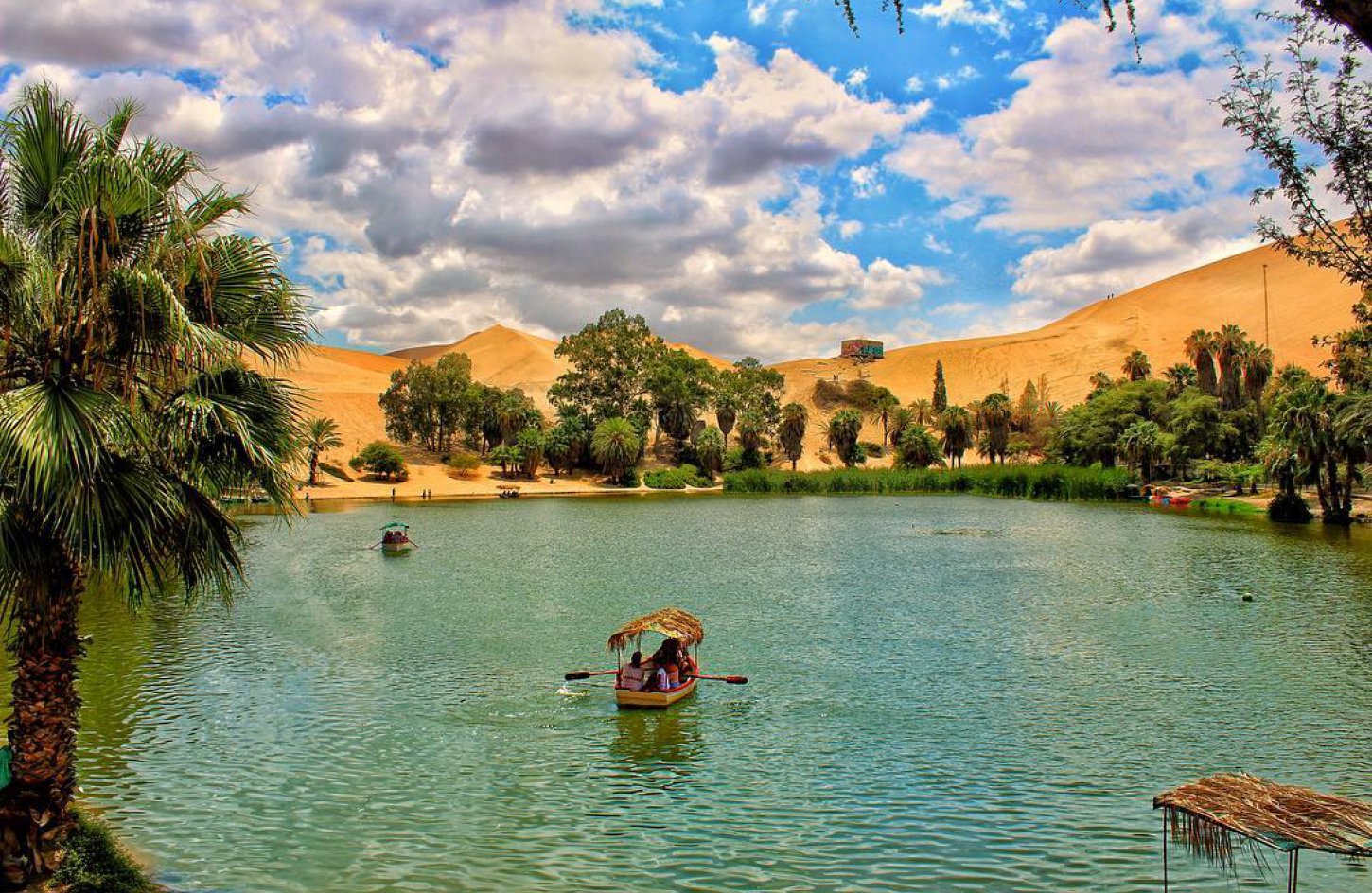
How to plan: Choose licensed activity providers and avoid unsafe dune driving. Support local livelihoods fairly, obtain consent for personal photographs and avoid treating communities, wildlife or sacred celebrations as props.
A limitation worth knowing: Hot sun, wind and sand can be a bigger issue than rainfall. One delay can affect another supplier even when neither has done anything wrong.
Why consider Nazca in January?
Nazca lies in an exceptionally arid setting, but scenic flights depend on visibility and operations. If an activity requires unusual exertion or long standing, include time for water, a meal and a comfortable return. Check the most demanding part rather than the average difficulty.
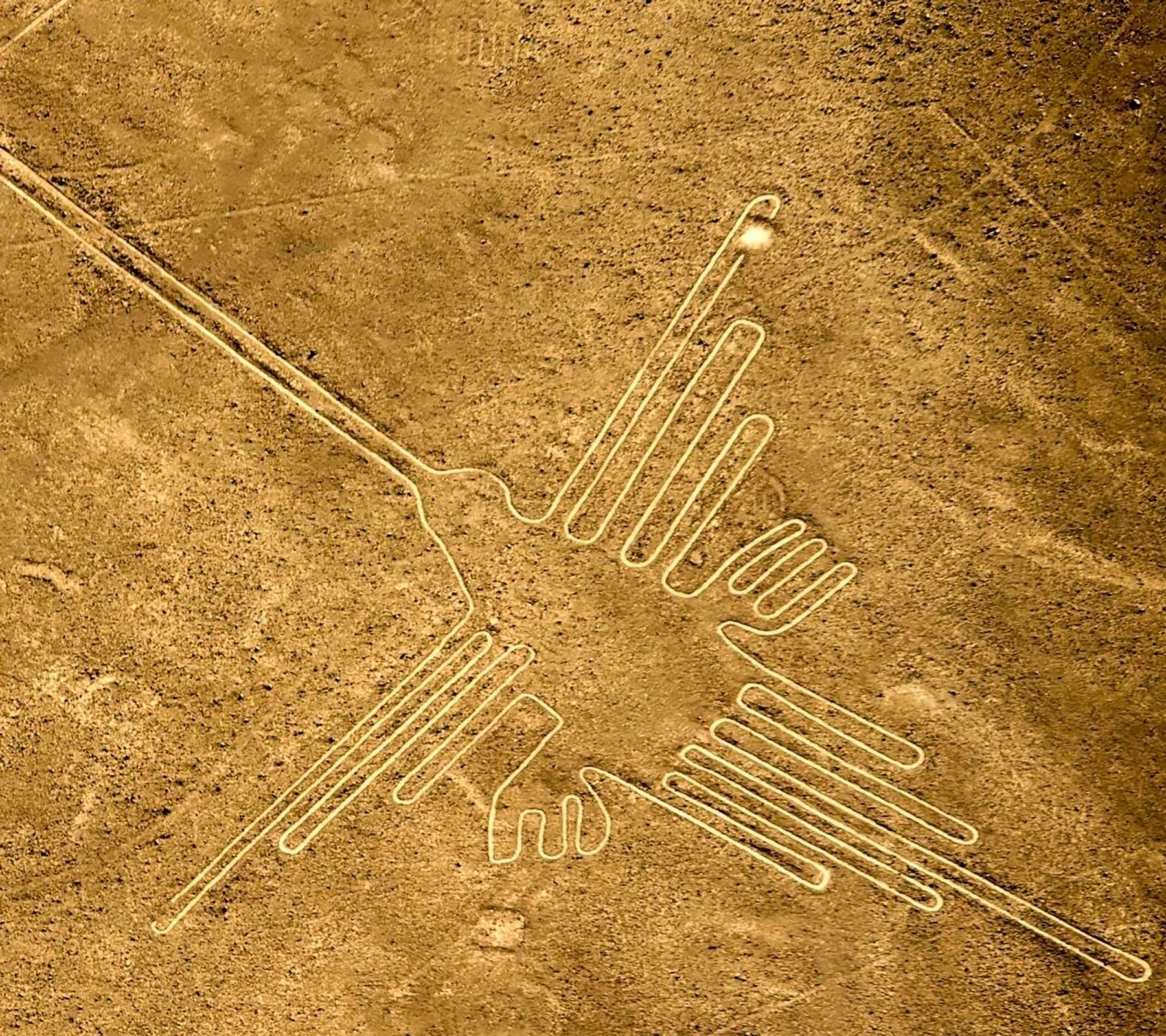
How to plan: Reserve a flexible flight day and verify airport conditions. Peru does not have one national weather pattern: coastal summer, Andean wet-season conditions and Amazon rainfall must be considered separately.
A limitation worth knowing: Local absence of rain does not protect every approach road from flood events. Rest, weather and the needs of the group alter the answer.
Is Trujillo a useful coastal alternative?
Northern coastal heritage sites offer archaeology and beach access with varied seasonal conditions. A photograph taken in another year may show a view, atmosphere or route that will not be available in 2027. Let the current organizer’s instructions settle access questions.
How to plan: Split visits between Chan Chan, Huanchaco and city museums. Altitude exposure changes quickly between Lima, Cusco and Puno. Travelers should not assume a short flight allows instant physical acclimatization.
A limitation worth knowing: El Niño-related conditions can change rainfall patterns significantly in the north. Ask about the exact service rather than guessing from a photograph or another year’s ticket.
Can Arequipa city be less rainy than Cusco?
Arequipa’s high-desert setting can be relatively dry overall, yet January still brings summer showers. Compare value in terms of time, reliable access and physical comfort as well as money. The best choice depends on the visitor’s real goal, not only a promotional price.
How to plan: Build short city sightseeing around daily forecasts rather than assuming a rain-free stay. Domestic flights, intercity buses, rail and road transfers have different constraints. Leave buffers after expensive nonrefundable activities.
A limitation worth knowing: Colca roads and higher passes may be affected differently. The option with the smallest cash cost is not always the best overall value.
Should you avoid Machu Picchu in January?
The citadel remains a possible destination, while views, trails and transport are weather-dependent. Give local participants and workers the space to carry out the activity properly. The responsible visitor understands when observation is appropriate and when to step aside.
How to plan: Carry rain protection and keep some itinerary slack. Support local livelihoods fairly, obtain consent for personal photographs and avoid treating communities, wildlife or sacred celebrations as props.
A limitation worth knowing: Clouds can change visibility abruptly, and walking surfaces are slippery. Respectful observation and fairly purchased services support that goal better than hurried consumption.
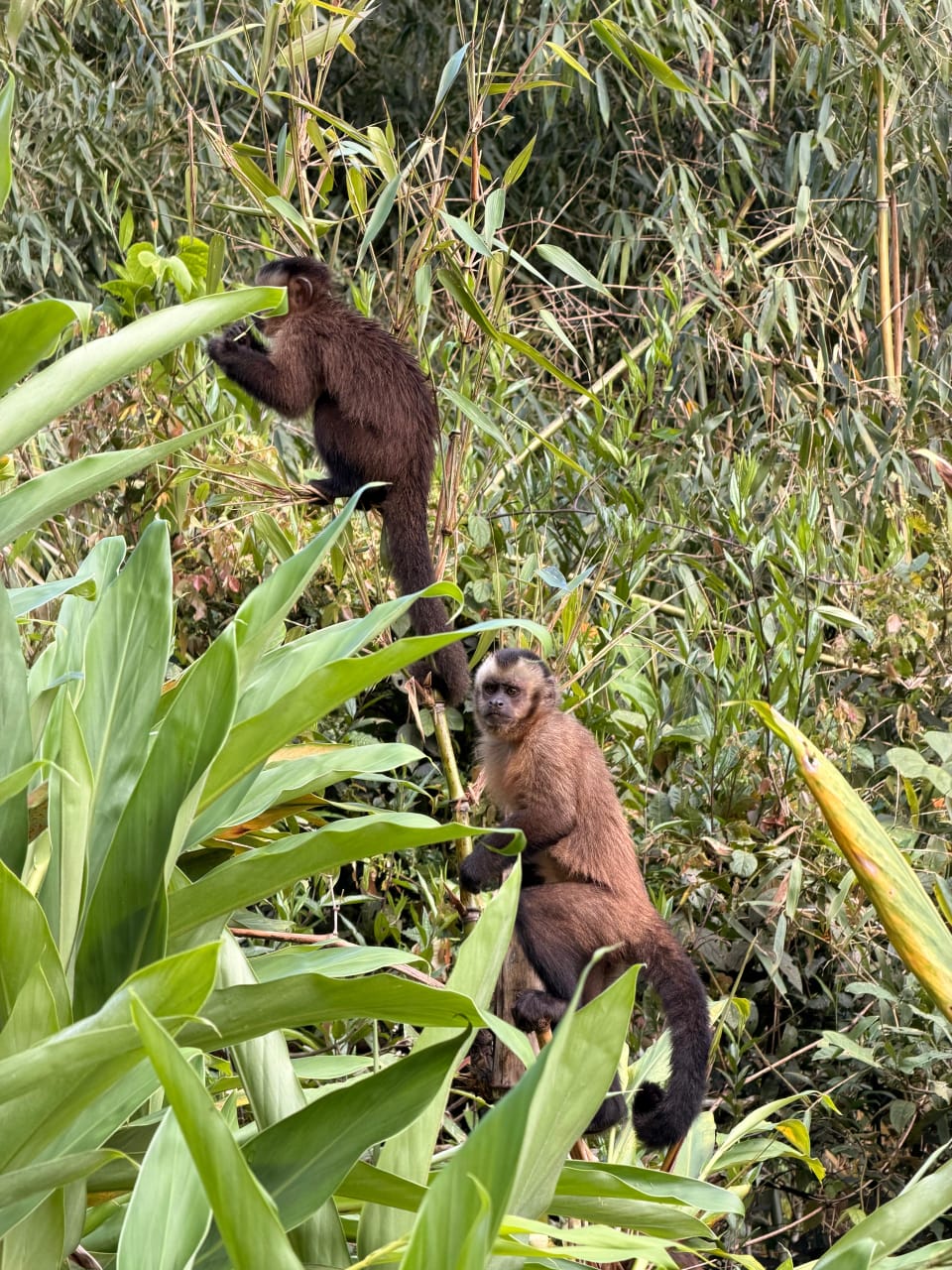
Does January rain help Amazon wildlife visits?
Amazon rainforest experiences operate in a distinct tropical climate, often with high water and strong rainfall. For a family or group, make the plan around the least mobile or least acclimatized member. An optional shorter experience can be better than one ambitious itinerary.
How to plan: Choose lodge activities and access mode appropriate to river conditions. Peru does not have one national weather pattern: coastal summer, Andean wet-season conditions and Amazon rainfall must be considered separately.
A limitation worth knowing: A wildlife trip is not a dry-weather substitute. It is better to compare what happens on the day than rely on a package label.
What is the difference between less rain and less risk?
Dry microclimates can still experience heat, surf, road incidents and national transport delays. Ask exactly which independent provider supplies the ticket, meal, vehicle or activity. This makes it easier to resolve a problem without blaming the wrong supplier.
How to plan: Check forecasts at both destination and each transfer corridor. Altitude exposure changes quickly between Lima, Cusco and Puno. Travelers should not assume a short flight allows instant physical acclimatization.
A limitation worth knowing: One dramatic weather event can matter more than an annual average. Public authorities control access in some places; an agency controls only the services it has actually contracted.
How much time should a coastal January route take?
Lima–Paracas–Ica–Nazca involves several road legs despite appearing close on a national map. If weather changes, a safe alternative can still make the day worthwhile. Prepare that choice beforehand instead of searching for unauthorized access at the last moment.
How to plan: Travel by stages and avoid driving unfamiliar roads tired at night. Domestic flights, intercity buses, rail and road transfers have different constraints. Leave buffers after expensive nonrefundable activities.
A limitation worth knowing: A rushed return flight can erase the benefit of choosing the coast. A flexible plan with a clear purpose can protect the quality of the visit.
What should January travelers pack?
Hot coastal days need breathable clothing and sunscreen, while highlands still require rain shells and insulation. People traveling for cultural understanding often benefit from asking a thoughtful question rather than rushing to the next viewpoint. Allow interpretation and reflection time.
How to plan: Use a modular packing list by region. Support local livelihoods fairly, obtain consent for personal photographs and avoid treating communities, wildlife or sacred celebrations as props.
A limitation worth knowing: A single ‘Peru in summer’ wardrobe is rarely adequate for a multi-region journey. One delay can affect another supplier even when neither has done anything wrong.
How can you sequence the full experience instead of rushing?
A useful travel day has a beginning, a main purpose and a clear end. For Peru Destinations With Less Rain in January, use the following decision sequence rather than a rigid universal timetable. Compare exact dates, travelers, currencies, deposit dates, total inclusions and written changes policies. A promotional banner is not a confirmed service. Domestic flights, intercity buses, rail and road transfers have different constraints. Leave buffers after expensive nonrefundable activities. The sequence is illustrative and does not claim that a particular tour, show or ticket has already been reserved.
| Stage | A realistic decision | What to verify |
|---|---|---|
| Before departure | Choose the goal and dates for Peru Destinations With Less Rain in January | January 2027, Peru’s coastal summer and much of the southern Andes’ rainy season; official announcements and conditions |
| 2–6 weeks before | Recheck hotel, guides, tickets, access, transport and special needs | Whether each item is confirmed, requested or still unannounced |
| Arrival day | Allow rest, orientation and an unhurried meeting-point check | Weather, altitude and realistic transfer time |
| Main experience | Prioritize the chosen cultural or outdoor activity without overscheduling | Permitted route, entry, guide, toilets and a safe exit |
| Backup option | Follow an agreed alternative if safety or access changes | Refunds, modification policy and independent ticket conditions |
| Departure | Protect the final train, road journey or flight connection | Live transport notices and enough buffer time |
In a multi-city Peru journey, keep long rail, road and flight links on separate parts of the calendar whenever the budget permits. A reliable plan measures how much free time remains after check-in and transfers, not only the number of destinations shown on the brochure.
What should you confirm before paying?
A written confirmation should identify the exact service, date, number of passengers, supplier, accepted deposit, remaining balance, exclusions and cancellation terms. Published 2027 schedules and capacities can change in ways an advertisement cannot control. Preserve the original offer and receipts rather than relying on a phone conversation.
A related issue in this guide is does paracas stay dry in january: Paracas sits on a desert coast, with wind and marine conditions affecting boating. Allow a flexible Ballestas Islands morning and ask about port authorization. For Peru Destinations With Less Rain in January, the relevant dates are January 2027, Peru’s coastal summer and much of the southern Andes’ rainy season. Coastal rainfall, mountain precipitation and road disruption must be distinguished. A relatively dry local climate does not mean that access roads or inland excursion routes are risk-free. The printed booking document should clearly separate established access rules from services still subject to supplier confirmation.
For a family or mixed-age group, compare the experience from the perspective of the person with the least flexibility. Look for somewhere to sit, use a toilet, shelter from the weather and return safely.
How should you arrange local transport and meeting points?
Ask whether the meeting point is reachable when central roads are closed, how long the approach takes on foot and who is responsible for a missed connection. Airport, rail, intercity bus and hotel pickup times should be treated as separate commitments. A car cannot always wait beside a crowded historic plaza.
A related issue in this guide is should you avoid machu picchu in january: The citadel remains a possible destination, while views, trails and transport are weather-dependent. Carry rain protection and keep some itinerary slack. Domestic flights, intercity buses, rail and road transfers have different constraints. Leave buffers after expensive nonrefundable activities. Plan a day that can be rearranged when flight, rain, road or local-service conditions change; preserve critical admissions first. Protect independently issued admissions and long-distance connections before adding optional activities.
Keep dated documentary evidence if a problem occurs: a screenshot of the published terms, confirmation code, receipt and messages are much more useful than a phone call nobody recorded.
Which weather risks matter more than the monthly average?
Seasonal expectations are useful, but check the short-range SENAMHI forecast and local authority notices before departure. Carry layers rather than assuming a single temperature all day. Rain protection, sun protection and a warm layer can be necessary on the same day, depending on altitude and time.
A related issue in this guide is where in peru is january usually drier: Much of the Pacific desert coast has low typical rainfall compared with the central and southern Andes. Compare Lima, Paracas, Ica and Nazca for coast-centered itineraries. Peru does not have one national weather pattern: coastal summer, Andean wet-season conditions and Amazon rainfall must be considered separately. Altitude exposure changes quickly between Lima, Cusco and Puno. Travelers should not assume a short flight allows instant physical acclimatization. If someone has medical concerns, ask a qualified clinician for advice and discuss feasible accommodation with the guide before a demanding day.
Do not read a promotional photograph as proof of the crowd size, weather, route or services for your travel date. Base the decision on current written information and personal interests.
What should an accessible and realistic day look like?
Families and older visitors may prefer a shorter day with toilets, seats, shade, water and a planned exit. People with respiratory or cardiac conditions, mobility limitations or recent illness should discuss their needs with a clinician and operator well before arrival. A reservation cannot guarantee suitable accessibility without inspecting the actual route.
A related issue in this guide is is trujillo a useful coastal alternative: Northern coastal heritage sites offer archaeology and beach access with varied seasonal conditions. Split visits between Chan Chan, Huanchaco and city museums. Peru does not have one national weather pattern: coastal summer, Andean wet-season conditions and Amazon rainfall must be considered separately. Altitude exposure changes quickly between Lima, Cusco and Puno. Travelers should not assume a short flight allows instant physical acclimatization. If someone has medical concerns, ask a qualified clinician for advice and discuss feasible accommodation with the guide before a demanding day.
A meaningful comparison must describe the same dates and inclusions. Confirm guide time, official entry, food, transport class, baggage allowances, accessibility and change policies.
How can you photograph or observe respectfully?
Public visibility does not remove the need for consent. Keep pathways open, avoid flash where worship or wildlife may be affected and do not climb or cross barriers for a photograph. Buy directly from local artisans when appropriate, and do not pressure performers or residents to modify a ceremony to suit a camera.
A related issue in this guide is how much time should a coastal january route take: Lima–Paracas–Ica–Nazca involves several road legs despite appearing close on a national map. Travel by stages and avoid driving unfamiliar roads tired at night. Support local livelihoods fairly, obtain consent for personal photographs and avoid treating communities, wildlife or sacred celebrations as props. When a visit includes a cultural tradition or community setting, responsible interpretation should reflect the people involved rather than a sales slogan.
Respect for residents also affects travel quality: avoid litter, blocked pathways, unauthorized filming and interference with ordinary commerce, sacred spaces or essential work.
What should you pack from home?
Carry the identification used for bookings, a charged phone, power bank, offline address, warm layer, rain shell when appropriate, sunscreen, hat, drinking water, suitable footwear and necessary personal medicines. Specialized items—tripods, professional video equipment, wheelchairs, crutches and assistive devices—should be disclosed in advance because access rules may differ.
A related issue in this guide is how do ica and huacachina compare: Desert dunes are normally dry and hot in January; midday temperatures can be uncomfortable. Choose licensed activity providers and avoid unsafe dune driving. Peru does not have one national weather pattern: coastal summer, Andean wet-season conditions and Amazon rainfall must be considered separately. Altitude exposure changes quickly between Lima, Cusco and Puno. Travelers should not assume a short flight allows instant physical acclimatization. If someone has medical concerns, ask a qualified clinician for advice and discuss feasible accommodation with the guide before a demanding day.
For an event in a city, keep valuables in a secure bag and avoid carrying more equipment than you can manage in a standing crowd. Have a paper or offline copy of your hotel address because mobile coverage or battery life may be unreliable in busy streets. Write down the preferred plan, the condition that makes it possible and one acceptable fallback. The fallback needs its own legitimate route and cost, not an unofficial shortcut. This brief exercise improves decisions if the original plan changes.
How can you compare a private arrangement with a group outing?
Private travel offers more control over pacing and vehicle allocation, whereas group travel may be less expensive per person but must respect the group schedule. Neither arrangement can override a public closure or a religious restriction. Compare the actual guide time, transfer arrangements, language and entrance tickets rather than the word “private” alone.
A related issue in this guide is does january rain help amazon wildlife visits: Amazon rainforest experiences operate in a distinct tropical climate, often with high water and strong rainfall. Choose lodge activities and access mode appropriate to river conditions. Support local livelihoods fairly, obtain consent for personal photographs and avoid treating communities, wildlife or sacred celebrations as props. When a visit includes a cultural tradition or community setting, responsible interpretation should reflect the people involved rather than a sales slogan.
For a family or mixed-age group, compare the experience from the perspective of the person with the least flexibility. Look for somewhere to sit, use a toilet, shelter from the weather and return safely.
What costs are commonly omitted from a headline price?
Ask for a line-item total in soles or the quoted currency: entrance or event admission, guide, transport, meals, hotel night, handling fees, seat assignment and optional activities. Never invent a 2027 admission price when the official organizer has not announced it. Changing payment exchange rates and transfer fees can affect final cost.
A related issue in this guide is is lima a good choice in january: January is generally summer on the coast, with warmer weather and less winter garúa than midyear. Plan Miraflores, Barranco and museums with sun protection. For Peru Destinations With Less Rain in January, the relevant dates are January 2027, Peru’s coastal summer and much of the southern Andes’ rainy season. Coastal rainfall, mountain precipitation and road disruption must be distinguished. A relatively dry local climate does not mean that access roads or inland excursion routes are risk-free. The printed booking document should clearly separate established access rules from services still subject to supplier confirmation.
Keep dated documentary evidence if a problem occurs: a screenshot of the published terms, confirmation code, receipt and messages are much more useful than a phone call nobody recorded.
How should you respond to closures or last-minute changes?
Decide in advance whether you would rather take a shorter cultural visit, move a day tour or protect a scarce Machu Picchu ticket if conditions change. Use official transport and event alerts to avoid unsafe shortcuts. Seek a written record of the alternative agreed with your provider and any price difference.
A related issue in this guide is can arequipa city be less rainy than cusco: Arequipa’s high-desert setting can be relatively dry overall, yet January still brings summer showers. Build short city sightseeing around daily forecasts rather than assuming a rain-free stay. Domestic flights, intercity buses, rail and road transfers have different constraints. Leave buffers after expensive nonrefundable activities. Plan a day that can be rearranged when flight, rain, road or local-service conditions change; preserve critical admissions first. Protect independently issued admissions and long-distance connections before adding optional activities.
Do not read a promotional photograph as proof of the crowd size, weather, route or services for your travel date. Base the decision on current written information and personal interests.
What should you ask the guide and reservations team?
Machu Picchu Team publishes individual tour pages rather than one universal promise for every festival or trek. Ask its reservations team about the precise vehicle, guide language, group size, food provisions, equipment, admission arrangements, emergency plan and modification policy for the selected route. Do not assume a feature appears in every product.
A related issue in this guide is what should january travelers pack: Hot coastal days need breathable clothing and sunscreen, while highlands still require rain shells and insulation. Use a modular packing list by region. Support local livelihoods fairly, obtain consent for personal photographs and avoid treating communities, wildlife or sacred celebrations as props. When a visit includes a cultural tradition or community setting, responsible interpretation should reflect the people involved rather than a sales slogan.
A meaningful comparison must describe the same dates and inclusions. Confirm guide time, official entry, food, transport class, baggage allowances, accessibility and change policies.
What does Machu Picchu Team offer that relates to this topic?
Machu Picchu Team publishes specific Peru tour itineraries, and some may complement a journey focused on Peru Destinations With Less Rain in January. Relevant examples include Lima City Tour; Colca Canyon full-day tour; Machu Picchu full-day tour by train; Lake Titicaca tour. The existence of a published tour page is evidence of a described product, not proof of live availability for the date requested, a special festival ticket, a guaranteed sightline or access to a private religious ceremony. Ask the team to confirm the precise operating date, guide language, trip duration, vehicle arrangements, site entrances, lodging level and inclusions. For trekking or specialist activities, request the type and suitability of tents, sleeping arrangements, safety equipment, luggage handling and guide support; do not assume that every equipment feature applies to every itinerary.
For meals on treks, ask whether a dedicated cook is included, how food is sourced and handled under good hygiene practices, which dietary patterns can be supported, and whether a private meal plan needs a supplement. Visitors with food allergies, pets, assistive equipment, professional filming equipment or other special requirements should tell the reservations team in advance. No claims of company-specific certified equipment, staff credentials, exact dietary guarantees or rescue resources are made without a matching written tour specification.
How can you make the trip more sustainable and respectful?
Support local livelihoods fairly, obtain consent for personal photographs and avoid treating communities, wildlife or sacred celebrations as props. Tourism should pay attention to labor, waste, public space and local decision-making, not merely to how many activities fit into a day. Carry out waste from trail or heritage areas, avoid purchasing illegal wildlife products, ask before making photographs of identifiable people and keep to permitted routes. Religious sites require a particularly careful balance between observation and privacy. The most useful guide often explains why visitors should not enter a space, rather than inventing a backstage opportunity.
What questions do travelers commonly ask?
Are all 2027 prices and schedules final?
No. Coastal rainfall, mountain precipitation and road disruption must be distinguished. A relatively dry local climate does not mean that access roads or inland excursion routes are risk-free. Check the named organizer or government platform and obtain a dated quotation.
Is this suitable for children and older travelers?
Possibly, but assess the actual walking route, duration, altitude, seating, toilets, weather and noise. Altitude exposure changes quickly between Lima, Cusco and Puno. Travelers should not assume a short flight allows instant physical acclimatization.
Can a private tour guarantee access?
No. Private guiding can change pacing and services, not public heritage capacity, blocked roads or religious access rules.
Should I carry cash?
Carry some soles in small denominations for small purchases and contingencies, while checking accepted payment methods in advance. Do not carry excessive cash in dense crowds.
What if the weather changes?
Consult SENAMHI and local operations updates. Plan a day that can be rearranged when flight, rain, road or local-service conditions change; preserve critical admissions first. Confirm any rebooking conditions in writing.
Can I use a drone or professional camera?
Do not assume it is allowed. Verify local aviation regulations, site permits, heritage rules, crowd safety and the consent of identifiable subjects.
How much time should I allow?
Allow enough time for arrival, rest, the activity itself, exit and transport changes. One advertised tour day may involve less sightseeing time than its headline suggests.
Where should I verify last-minute changes?
Use the official event organizer, site authority, government weather and road notices, and the provider responsible for your booked service.
What should change in 2027 or later?
The structural advice in this guide—confirming access, respecting local hosts, preparing for weather and keeping a realistic pace—will remain useful. The operational details must be updated: January 2027, Peru’s coastal summer and much of the southern Andes’ rainy season is the planning reference, but the final timetable, supplier prices, entrances, transport controls and accessibility provisions may change. Coastal rainfall, mountain precipitation and road disruption must be distinguished. A relatively dry local climate does not mean that access roads or inland excursion routes are risk-free. Visitors planning later years should recalculate moving religious dates and review annual official decisions rather than transferring this edition’s specifics to a future calendar. For time-sensitive questions, prefer government notices and the organizer’s current publication to stale reviews, old screenshots or a social post without an issue date.
Final perspective
A thoughtful trip connected with Peru Destinations With Less Rain in January starts from the purpose of the visit, not only a sales offer or picturesque image. Choosing geography and travel expectations rather than assuming the entire country is rainy is achievable only when the chosen route, personal health, public rules and actual service conditions fit together. Keep the schedule flexible where it can be flexible, secure scarce official elements through authorized channels and approach local traditions with curiosity and respect. That approach often produces a more rewarding Peru experience than trying to maximize the number of stops.
Sources and verification notes
- Peru tourism official portal
- Ministry of Culture official Machu Picchu ticket information
- SUTRAN current road condition guidance
- SENAMHI national meteorological service
- MINCETUR tourism authority
- INDECOPI Black Friday consumer safety guidance
Verification policy: Dates from the church calendar, current legislation or a named authority are distinguished from forecasts, sample itineraries and supplier claims. No unspecified 2027 prices, private-ceremony access, festival seating or guaranteed wildlife/landscape conditions have been invented. Check updates before booking.