
This Lake Titicaca travel guide covers everything you need to plan your visit: which islands to see, how many days you need, how to get to Puno from Cusco, when to go and how to deal with the altitude. Shared by Peru and Bolivia, Lake Titicaca is famous for the Uros floating islands, the weavers of Taquile and family homestays on Amantani.
It is written by Machu Picchu Team, a local tour operator based in Cusco that runs day tours and overnight tours on the lake from Puno.
Lake Titicaca Travel Guide at a Glance
| Topic | Details |
|---|---|
| Altitude | About 3,810 m (12,500 ft), higher than Cusco (3,400 m) |
| Countries | Peru and Bolivia |
| Base on the Peruvian side | Puno |
| Main islands | Uros, Taquile, Amantani |
| Time needed | 1 full day minimum; 2 days for a homestay |
| Best season | April to October (dry season) |
| Nearest airport | Juliaca, about 1 hour from Puno by road |
| Protected area | Titicaca National Reserve, created in 1978 |
Why Visit Lake Titicaca?
Lake Titicaca is often called the highest navigable lake in the world, and it is the largest lake in South America by volume. But the real reason to come is its living culture. Instead of Inca ruins, you will meet communities that still build islands from reeds, weave their own clothes and farm terraces above the water.
It fits naturally into a southern Peru route: Cusco, Puno and Lake Titicaca, then Arequipa and the Colca Canyon, or across the border to Bolivia.
Lake Titicaca Travel Guide: The Islands
Uros Floating Islands
The Uros islands are made by hand from layers of totora reeds, which grow in the shallow bay of Puno. Residents explain how the islands are built and maintained, and you can usually take an optional ride on a traditional reed boat. The islands are only about 20 to 40 minutes by boat from Puno.
Taquile Island
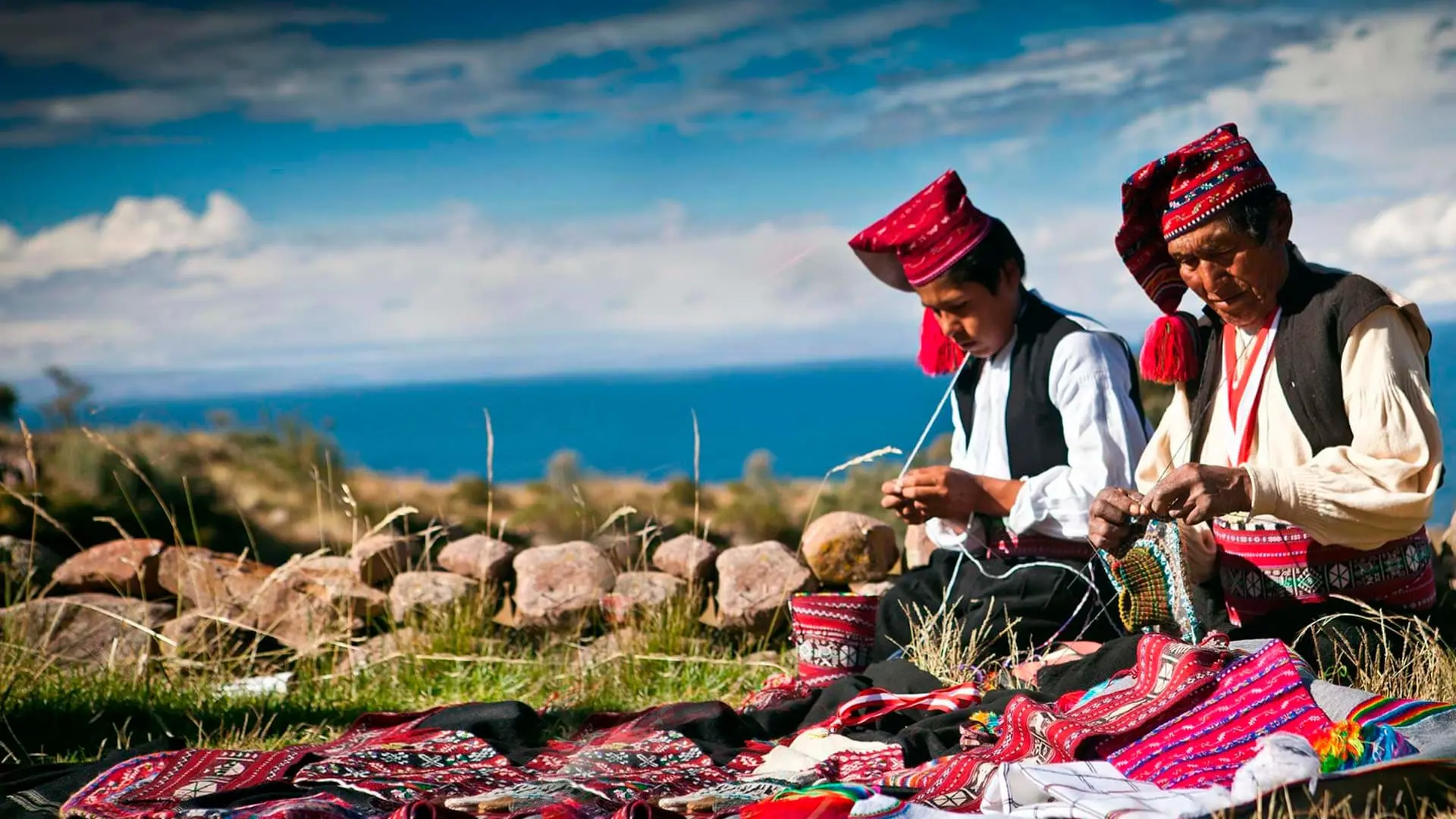
Taquile is a natural island with stone paths, terraces and wide views of the lake. It is famous for its textiles, knitted by the men and woven by the women; UNESCO recognized Taquile and its textile art as Intangible Cultural Heritage. The boat ride from Puno takes about 2.5 to 3 hours. Read more in our guide to Taquile Island.
Amantani Island
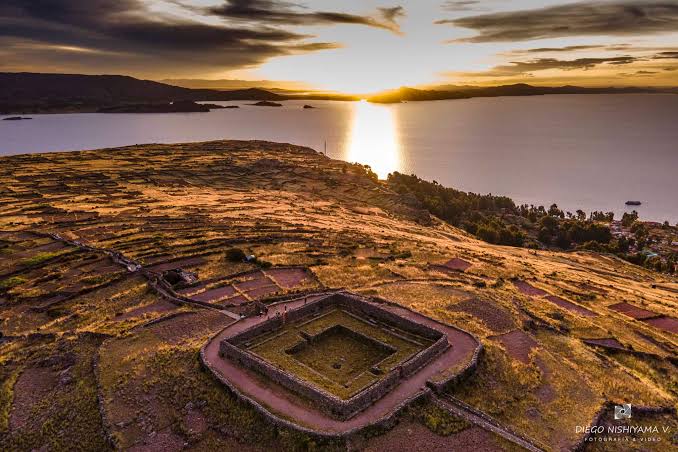
Amantani is the island for an overnight stay with a local family. You share simple home-cooked meals, and in the late afternoon you can walk up to the Pachatata temple to watch the sunset over the lake. See our guide to the Amantani homestay.
| Island | Experience | Typical visit | Best for |
|---|---|---|---|
| Uros | Floating reed islands | About 1 hour | Every first-time visitor |
| Taquile | Textiles, walking, lake views | 2 to 3 hours with lunch | Culture and photography |
| Amantani | Homestay and sunset | One night | Travelers who want more time with locals |
How Many Days Do You Need at Lake Titicaca?
- 1 day: Uros and Taquile. Our Lake Titicaca Tour (from USD 35) picks you up in Puno at about 7:15 AM and returns around 3:30 PM, with island entrances and lunch included.
- 2 days: Uros, a night with a family on Amantani and Taquile. The Lake Titicaca 2 Day Tour (from USD 75) includes the homestay and meals.
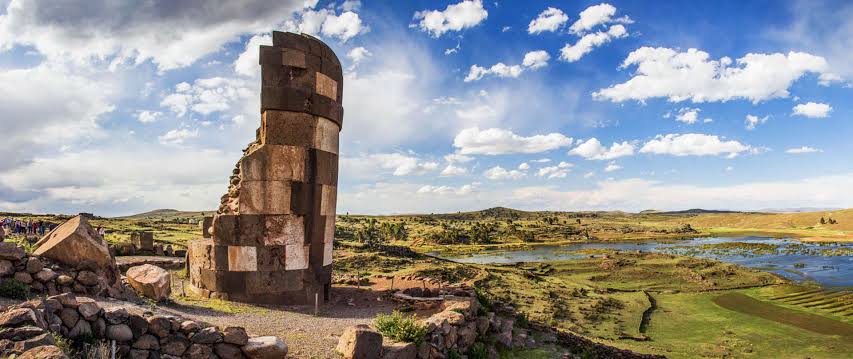
- 3 days: the 2-day tour plus a free day in Puno, or a half day at the funerary towers of Sillustani.
If you want everything organized from Cusco, our Machu Picchu and Lake Titicaca Tour combines Cusco, Machu Picchu, Puno and the islands in one package.
How to Get from Cusco to Lake Titicaca
| Option | Time | Best for |
|---|---|---|
| Tourist bus (Route of the Sun) | About 10 hours with stops | Sightseeing on the way: Andahuaylillas, Raqchi, La Raya pass |
| Regular bus | About 6 to 7 hours | Budget travelers |
| Overnight bus | About 7 hours | Saving a day (you arrive tired) |
| Train (PeruRail Titicaca) | Full day | A premium scenic journey; it does not run every day |
| Flight to Juliaca | About 1 hour plus 1 hour by road | Travelers short on time |
The tourist bus makes a long day useful. One of its stops is the temple of Raqchi, and the road crosses the La Raya pass, the highest point of the route.
Cusco first or Puno first? Visiting Cusco first helps you acclimatize, because Puno is about 400 m higher. Another popular route is Arequipa, Colca Canyon, Puno and then Cusco. See our Colca Canyon Full Day Tour and the guide to condors at Colca Canyon.
Best Time to Visit Lake Titicaca
Every Lake Titicaca travel guide gives the same advice: the dry season is the easiest time to visit, but the lake is open all year.
| Months | Weather | What to expect |
|---|---|---|
| April–May | End of the rains | Green landscapes, fewer visitors |
| June–August | Dry, sunny days, freezing nights | Clearest skies; high season |
| September–October | Mostly dry | Excellent all-round conditions |
| November–March | Rainy season | Tours run, but expect rain and clouds |
In February, Puno celebrates the Fiesta de la Candelaria, one of the largest folk festivals in South America, with thousands of dancers and musicians. Hotels fill up early, so book ahead if you travel then.
Altitude at Lake Titicaca
At about 3,810 m, Lake Titicaca is higher than Cusco. The boat trips are easy, but the climbs on Taquile and Amantani feel hard at this altitude. Walk slowly, drink water, eat light meals and avoid alcohol on your first night. If you arrive straight from Lima, give yourself at least one quiet day. Read our full guide to altitude sickness, and see a doctor if your symptoms get worse.
Lake Titicaca Travel Guide: Practical Tips
- Dress in layers: the sun is strong, but mornings, evenings and the wind on the boat are cold.
- Sun protection: sunscreen, sunglasses, a hat and lip balm. UV is intense at this altitude.
- Cash: carry soles in small notes for crafts, drinks and tips. The islands rarely accept cards. See our guide to the exchange rate in Peru.
- Food: try lake trout, quinoa soup and native potatoes. Tell us in advance about vegetarian or other diets.
- Respect: the islands are homes, not theme parks. Ask before photographing people, and buy crafts directly from the families who make them.
- Bolivia: from Puno you can continue to Copacabana and La Paz through the border at Kasani or Desaguadero. Check the entry rules for your nationality first.
Lake Titicaca or Machu Picchu?
A question we hear often when people read a Lake Titicaca travel guide: should I skip one of them? They are not alternatives. Machu Picchu is about Inca architecture in the cloud forest; Lake Titicaca is about living communities on a high-altitude lake. With 8 to 10 days in southern Peru, you can comfortably see both. Start with our Machu Picchu tours and add 2 or 3 days in Puno. For more ideas, see the top attractions in Peru.
FAQs: Lake Titicaca Travel Guide
Where is Lake Titicaca?
In the Andes, on the border between Peru and Bolivia. On the Peruvian side, the base for visiting the lake is the city of Puno.
How high is Lake Titicaca?
About 3,810 m (12,500 ft) above sea level, roughly 400 m higher than Cusco.
Can you visit Uros and Taquile in one day?
Yes. A full-day tour from Puno visits Uros in the morning and Taquile at midday, with lunch, and returns in the afternoon.
Is it worth staying overnight on Amantani?
Yes, if you want a closer look at island life. The accommodation is basic, but sharing meals with a family and watching the sunset from Pachatata are highlights of the trip.
How do I get from Cusco to Puno?
By tourist bus with sightseeing stops (about 10 hours), regular bus (6 to 7 hours), train, or a flight to Juliaca followed by a 1-hour transfer.
What is the best time to visit Lake Titicaca?
From April to October, during the dry season. June to August has the clearest skies but the coldest nights.