
Do you need Salkantay Trek permits? No: unlike the Inca Trail, the Salkantay Trek has no government permit and no daily limit, so you can book it even a few days ahead. What you do need is a Machu Picchu entrance ticket, your passport and, on some sections, small community entrance fees. This guide explains exactly what you need, how to get to the trailhead, the best months, and the story of Salkantay, the “wild mountain” of the Cusco region.
Salkantay Trek permits: what you need
| Item | Needed? | Notes |
|---|---|---|
| Trek permit | No | No government permit and no daily limit for the Salkantay Trek |
| Machu Picchu entrance ticket | Yes | Limited every day; book it early. Included in our tours. |
| Original passport | Yes | Checked at Machu Picchu and on the train |
| Humantay Lake entrance | Yes, if you visit the lake | A community fee of S/ 20, paid in cash |
| Inca Trail permit | Only for the Salkantay + Inca Trail combination | Limited and sold only by licensed operators |
| Guide | Recommended | Not required for the trek, but required inside Machu Picchu |
Why there are no Salkantay Trek permits
The Inca Trail is inside the protected Machu Picchu sanctuary, so the government limits the number of hikers and sells permits only through licensed operators. The Salkantay Trek runs mostly outside that protected area, through rural communities, so there is no permit system. That is why it is the most popular alternative trek to Machu Picchu, especially when Inca Trail permits are sold out, and why it stays open in February, when the Inca Trail closes.
So Salkantay Trek permits are not a problem. The one thing that does sell out is the Machu Picchu ticket. Book your trek early enough to get the circuit and entry time you want. Read how to buy Machu Picchu tickets.
Salkantay Trek permits and community fees
Instead of Salkantay Trek permits, several Andean communities along the route charge small entrance fees, which help maintain trails and campsites. The best known is the Humantay Lake entrance, S/ 20 per person. On a tour, the fees that are included and those you pay yourself are listed on each tour page; carry some soles in cash just in case.
How to get to the Salkantay Trek
The trek starts near Mollepata and Soraypampa, west of Cusco, on the road to Abancay through Limatambo. Tours pick you up in Cusco very early, around 4:30 AM, and drive about 3 hours to the trailhead, with breakfast on the way. Public buses to Mollepata also leave early in the morning, but most hikers go with a tour because of the transport, gear and camping logistics.
Salkantay Trek tours with permits and tickets included
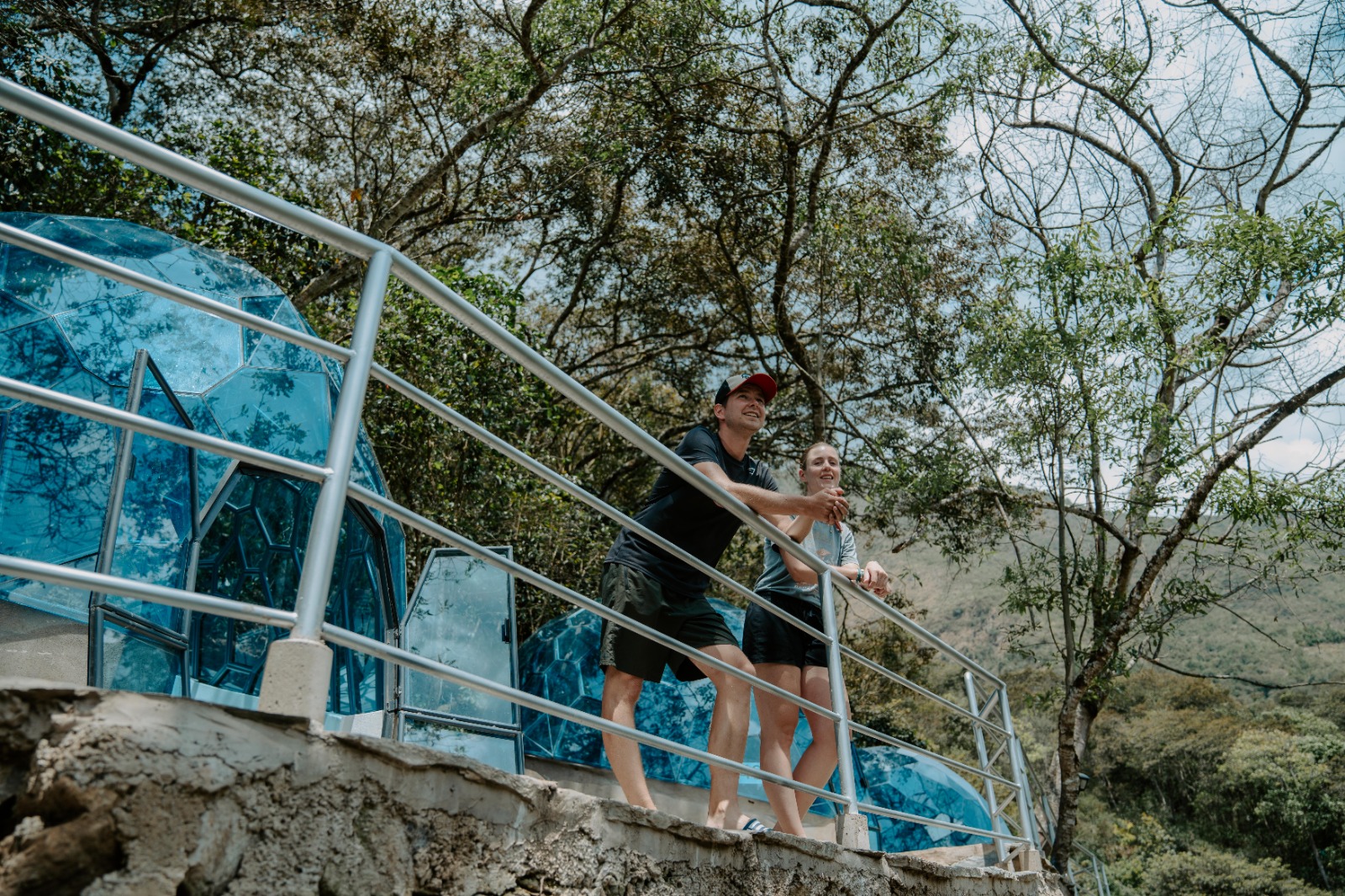
You do not need to arrange Salkantay Trek permits or tickets yourself: all our Salkantay tours include the transport, guide, meals, camping or domes and the Machu Picchu entrance ticket:
- Salkantay Trek 5 Days (from USD 310)
- Salkantay Trek 4 Days
- Salkantay Trek 3 Days
- Salkantay Trek 2 Days with Humantay Lake (from USD 160)
- Salkantay and Inca Trail 6 Days (from USD 1,150), which includes the Inca Trail permit
See all options on our Salkantay Trek page, and read our Salkantay Trek tips and facts.
Best months for the Salkantay Trek
| Months | Conditions |
|---|---|
| May to September | Dry season: the best views, very cold nights near the pass |
| April and October | Good conditions, some showers, fewer people |
| November and March | Rain more frequent, muddy sections |
| December to February | The rainiest months; the trek is possible, but views of the pass are often cloudy |
Near the pass, nights fall below 0 °C from June to August. Bring warm layers and a good sleeping bag, and spend at least 2 days in Cusco before the trek. Read our guide to altitude sickness in Cusco.
Salkantay Trek altitude
- Salkantay Pass: 4,630 m, the highest point of the classic trek.
- Humantay Lake: about 4,200 m.
- Soraypampa: about 3,900 m.
- Santa Teresa and Aguas Calientes: about 1,500 to 2,000 m.
- Machu Picchu: 2,430 m.
The Salkantay + Inca Trail combination crosses an even higher pass before joining the Inca Trail.
What you will see on the trail
In a few days you go from glaciers to the edge of the Amazon: herds of horses and alpacas, the turquoise Humantay Lake, the snow walls of Salkantay, cloud forest with orchids and bromeliads, coffee, banana and avocado farms, and, with luck, birds such as hummingbirds. The rare spectacled bear lives in these forests, but sightings are very unusual.
Salkantay, the wild mountain
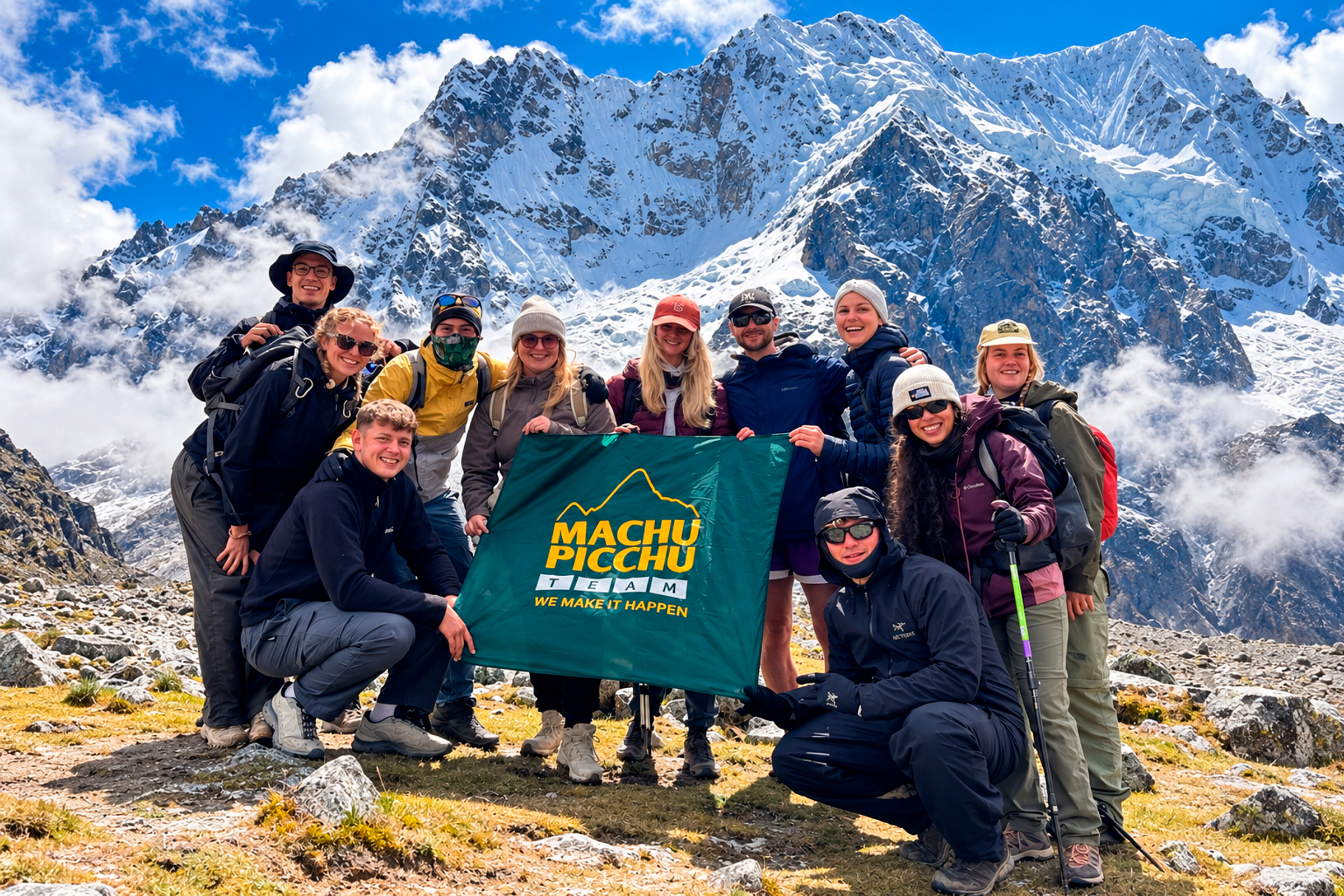
Salkantay (6,271 m) is the highest peak of the Vilcabamba range and the second highest in the Cusco region, after Ausangate (6,384 m). Its name is usually translated from Quechua as “wild” or “savage mountain”. For the Incas and for Andean communities today, it is an apu, a sacred mountain spirit, and many trekkers leave a small offering of coca leaves at the pass.
The mountain has two summits and is a serious technical climb, with steep ice walls and cornices on every side. It was first climbed in 1952 by a French and American expedition that included the French mountaineer Claude Kogan, one of the great women climbers of her time. Since then, expeditions from around the world have opened new routes on its faces and ridges, but it remains a rarely climbed peak. Trekkers see it up close from the Salkantay Pass, without climbing gear.
For a wider view of the region’s natural and cultural heritage, see UNESCO’s page on the Historic Sanctuary of Machu Picchu, where the trek ends.
Frequently asked questions about Salkantay Trek permits
Do I need a permit for the Salkantay Trek?
No. There is no government permit or daily limit. You only need the Machu Picchu entrance ticket and your passport.
How far ahead should I book the Salkantay Trek?
From May to October, a few weeks ahead, mainly to secure your Machu Picchu ticket. In the low season, a few days can be enough.
Can I do the Salkantay Trek without a guide?
Yes, it is possible without a permit or guide, but you need camping gear, navigation skills and acclimatization. Inside Machu Picchu, an official guide is required.
Is the Salkantay Trek open in February?
Yes. Unlike the Inca Trail, which closes every February, the Salkantay Trek runs all year.
How high is the Salkantay Trek?
The highest point of the classic route is the Salkantay Pass at 4,630 m. The peak of Salkantay is 6,271 m.