
Exploring the local markets in Peru is one of the best ways to understand the country. In a single market you can taste tropical fruits from the Amazon, try fresh juices and street food, and buy alpaca textiles made in Andean villages. This guide lists the best local markets in Peru by city, what to buy and eat, and how to shop like a local.
Local markets in Peru at a glance
| Market | City | Best for |
|---|---|---|
| San Pedro Market | Cusco | Fruit juices, local food, Andean products |
| Pisac Market | Sacred Valley | Crafts, textiles and ceramics |
| Chinchero Sunday Market | Sacred Valley | Traditional weaving and local trade |
| San Camilo Market | Arequipa | Fruit, cheeses and regional food |
| Surquillo Market No. 1 | Lima | Fresh produce and seafood for cooks |
| Mercado Indio (Inca Market) | Lima (Miraflores) | Souvenirs from all over Peru |
| Belén Market | Iquitos | Amazon fruits, fish and medicinal plants |
Local markets in Peru: Cusco and the Sacred Valley
San Pedro Market, Cusco
A few blocks from the Plaza de Armas, San Pedro is Cusco’s main market. Locals come for fruit, vegetables, bread, cheeses and meat, and travelers love the juice stalls and the food counters serving soups and simple lunches at low prices. You will also see Andean products such as dozens of potato varieties, maca, coca leaves and medicinal herbs. Read our full guide to the traditional markets in Cusco.
Crafts in Cusco
Around the Plaza de Armas there are no market stalls on the square itself, but the nearby streets, the San Blas neighborhood and the large craft centers on Avenida El Sol are full of textiles, alpaca knitwear, ceramics and silver jewelry.
Pisac Market
The Pisac market, in the Sacred Valley, is one of the best-known local markets in Peru for crafts. Stalls are open every day, and on Sundays the market is busiest, with farmers from nearby communities trading their produce. Combine it with the Inca terraces above the town on our Sacred Valley Full Day Tour.
Chinchero
Chinchero is famous for its weaving cooperatives, where local women show how they wash, dye and weave alpaca and sheep wool with natural colors. Its Sunday market keeps an old tradition of barter between highland and valley families.
Arequipa: San Camilo Market
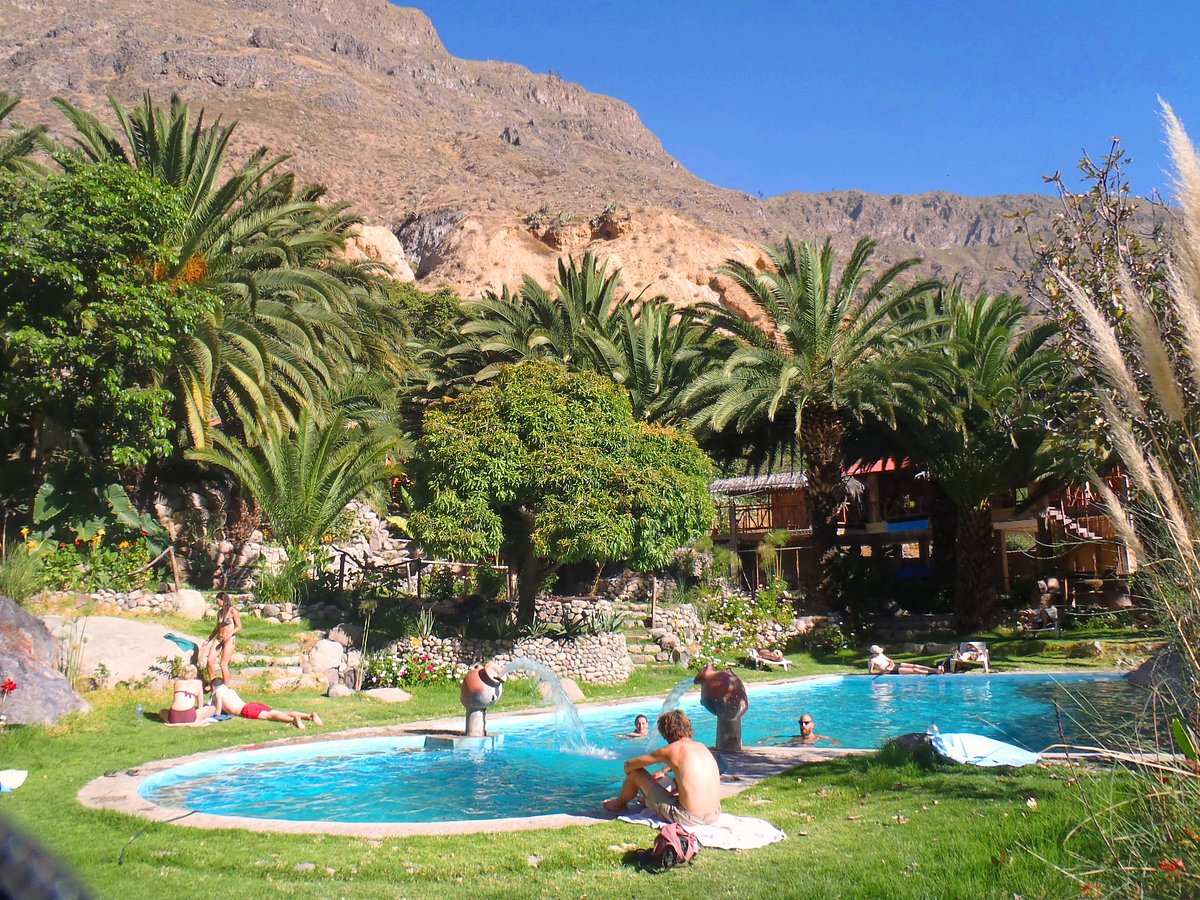
San Camilo is Arequipa’s historic market, a few blocks from the main square. It is full of fruit, cheeses, breads, spices and juice stands, and its food stalls are a good place to try regional dishes. Arequipa is also the gateway to the Colca Canyon; see our guide to the Sangalle oasis.
Lima: markets for food lovers and souvenirs
- Surquillo Market No. 1: next to Miraflores, it is where many Lima cooks buy fresh fish, fruit and Peruvian chili peppers. Have a ceviche at one of its stalls.
- Mercado Indio (Inca Market), Miraflores: a large craft market on Avenida Petit Thouars, with textiles, ceramics, jewelry and souvenirs from every region, useful if you are short on time at the end of your trip.
Other local markets in Peru worth visiting
- Puno: the central market and the stalls by the port sell alpaca knitwear and local food. On Lake Titicaca, the weavers of Taquile Island sell their own textiles; visit them on our Lake Titicaca Tour (from USD 35).
- Iquitos: Belén market is a chaotic, fascinating Amazon market with exotic fruits, river fish and medicinal plants. Go with a guide and watch your belongings.
- Huancayo: the large Sunday fair is one of the biggest in the central Andes.
What to buy and eat in Peruvian markets
To eat and drink
- Fresh fruit juices: papaya, mango, passion fruit (maracuyá) or mixed
- Exotic fruits: chirimoya, lúcuma, granadilla, pacay and aguaymanto
- Soups, tamales, chicharrón sandwiches and fresh cheese
- Large-kernel Andean corn and native potatoes
Learn more in our guide to Peruvian food, or taste it with a local guide on our Cusco Food Tour (from USD 30).
To take home
- Alpaca and baby alpaca sweaters, scarves and blankets
- Handwoven textiles with traditional designs
- Ceramics, silver jewelry and carved gourds
- Coffee, chocolate and Andean grains such as quinoa
Tips for shopping in local markets in Peru
- Bargain politely: in craft markets it is normal to ask for a small discount, especially if you buy several items. In food markets, prices are usually fixed.
- Check the material: much cheap “alpaca” is a blend with acrylic. Real alpaca is soft, warm and costs more.
- Carry small bills and coins in soles; many stalls do not accept cards.
- Eat smart: choose busy stalls with fresh, hot food, and drink juices made with filtered or boiled water.
- Watch your bag in crowded markets.
- Ask before taking photos of vendors.
- Know the customs rules: some plant and animal products cannot be taken out of Peru or into your country; check SENASA before you buy.
FAQs about local markets in Peru
What is the most famous market in Peru?
San Pedro Market in Cusco and the Pisac market in the Sacred Valley are the best known among travelers.
What day is the Pisac market?
It is open every day, but Sunday is the main and busiest day.
Is it safe to eat in Peruvian markets?
Generally yes, if you choose busy stalls with freshly cooked food. Avoid raw salads and tap water if you have a sensitive stomach.
Can I pay by card in Peruvian markets?
Rarely. Bring cash in soles, in small bills.
What is the best souvenir from Peru?
Alpaca textiles, handwoven pieces from Andean communities, ceramics and Peruvian coffee or chocolate.