
The exchange rate in Peru changes every day, but the Peruvian sol has been one of the most stable currencies in Latin America. In late October 2026, one US dollar was worth about S/ 3.45. This guide explains Peru’s currency, where to get the best exchange rate in Peru, whether to bring dollars or euros, how to use ATMs and cards, and tips to avoid fake notes.
Exchange rate in Peru at a glance
| Currency | Sol (S/), code PEN; until 2015 it was called the nuevo sol |
| US dollar | About S/ 3.45 per USD (late October 2026) |
| Other currencies | Euros are easy to exchange in cities; pounds and Brazilian reais are harder and get worse rates |
| Official rate | Published daily by the Central Reserve Bank of Peru (BCRP) |
| Best places to change | Exchange houses (casas de cambio) and banks in city centers |
| Cards | Widely accepted in cities; carry cash for markets, villages and tips |
The rate moves every day. Check the official rate on the Central Reserve Bank of Peru website or a currency app before you change money.
Peru’s currency: the sol
- Banknotes: S/ 10, 20, 50, 100 and 200.
- Coins: 10, 20 and 50 céntimos, and S/ 1, 2 and 5.
- Symbol: S/ before the amount, for example S/ 20.
Small notes and coins are very useful for taxis, markets, bathrooms, snacks and tips; large notes like S/ 100 and 200 can be hard to change in small shops.
What currency to take to Peru: the exchange rate in Peru for dollars and euros
US dollars
The US dollar is the easiest foreign currency in Peru. You can change it everywhere, and many hotels, tour operators and some restaurants in tourist areas accept it directly. Bring clean, undamaged bills: notes with tears, ink marks or heavy wear are usually refused.
Euros
Euros are easy to change in Lima, Cusco and Arequipa, at banks and exchange houses, but they are rarely accepted for direct payment. Rates are usually a little less favorable than for dollars.
Other currencies
British pounds, Brazilian reais, Argentine pesos and other currencies can be exchanged only in a few places, mainly in Lima, often at worse rates. It is usually better to bring dollars or euros, or to withdraw soles from an ATM.
Where to get the best exchange rate in Peru
- Exchange houses (casas de cambio): usually the best rates, in the centers of Lima, Cusco and Arequipa. In Cusco, there are many around the Plaza de Armas and Avenida El Sol. Compare two or three before you change.
- Banks: safe, but with longer queues and sometimes slightly worse rates.
- Airport: convenient but with the worst rates. Change only a small amount for your first taxi.
- Street changers (cambistas): official ones wear a vest and ID, but count your money carefully and avoid them at night. Exchange houses are safer.
- Hotels: convenient for small amounts, rarely the best rate.
Exchange rate in Peru at ATMs and with cards
- ATMs: easy to find in cities, at banks such as BCP, Interbank, BBVA and Scotiabank. Most let you withdraw soles or dollars. Expect a fee from the local bank plus your own bank’s fees, and a maximum per withdrawal.
- Choose soles when the ATM or card machine offers to charge you in your home currency; the conversion offered is usually worse.
- Cards: Visa and Mastercard are widely accepted in hotels, restaurants and shops in cities. Some businesses add a surcharge for card payments.
- Small towns and treks: few or no ATMs. Bring enough cash before you go to the Sacred Valley villages, Aguas Calientes on busy days, or a multi-day trek.
- Tell your bank you are traveling, and carry two cards in case one is blocked.
How to avoid fake notes
- Check the watermark, the security thread and the color-changing number on soles notes.
- Feel the paper: real notes have raised printing.
- Count your change at the counter, and refuse notes that look damaged or strange.
- Use ATMs inside banks or shopping centers when possible.
How much money to bring to Peru
Peru is affordable compared with Europe or North America. A budget traveler can spend from about USD 35 a day on food, local transport and basic expenses, not counting tours, trains and hotels booked in advance. When you enter Peru, you must declare cash over USD 10,000, and you cannot bring in more than USD 30,000 in cash. Read more things you should know about Peru.
Paying for your tours in Cusco
Our prices are in US dollars. You can pay at our office on Plaza Regocijo, Cusco, open every day from 7:00 AM to 10:00 PM, by bank transfer with no fee, or by card online with a 3.99% fee. See our Machu Picchu tours and tours in Cusco.
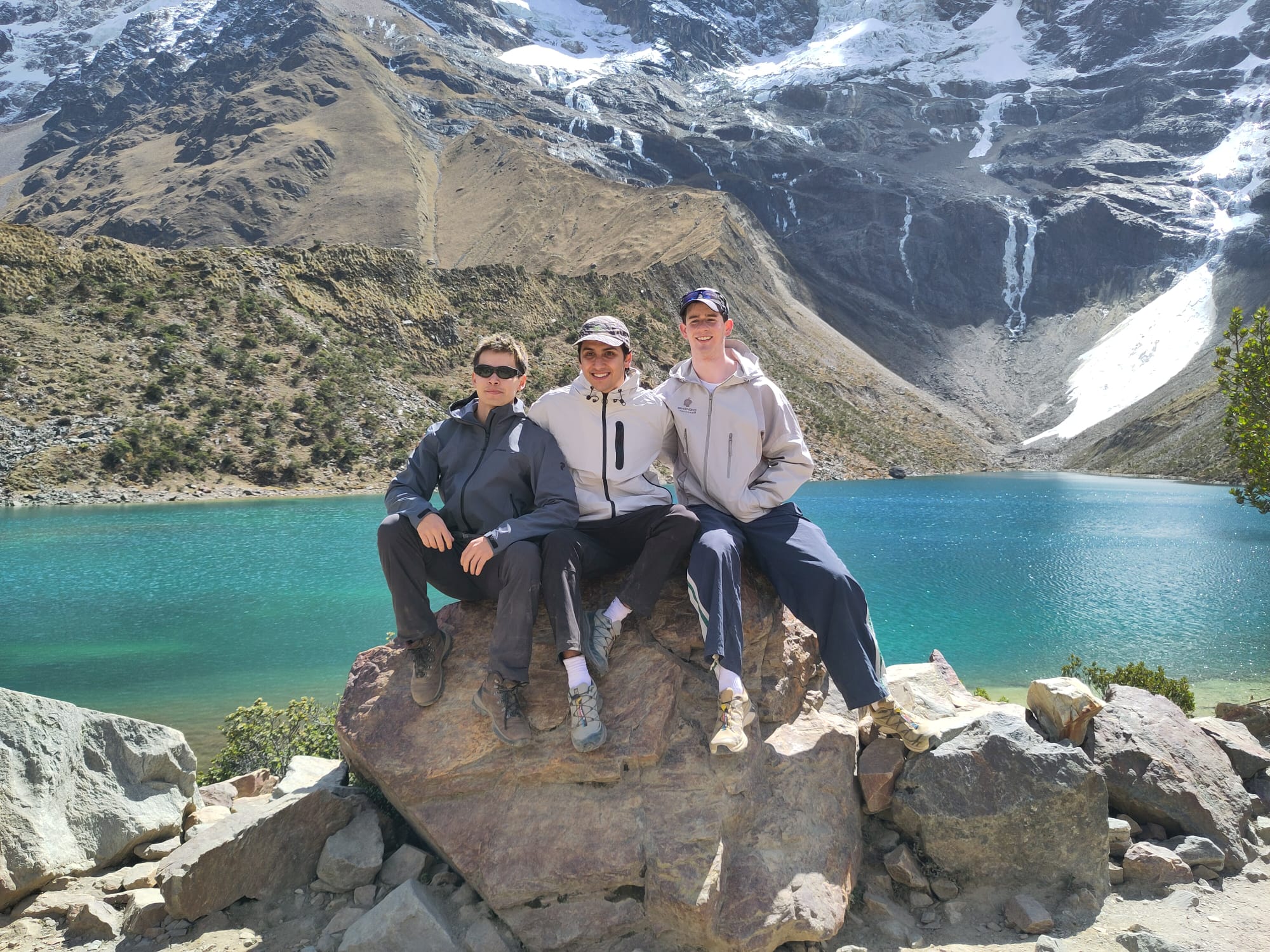
Entrance fees for some sites, such as the Maras salt mines, Humantay Lake or Rainbow Mountain, are paid in cash in soles, so carry small notes.
Frequently asked questions about the exchange rate in Peru
What is the exchange rate in Peru today?
It changes daily. In late October 2026, one US dollar was worth about S/ 3.45. Check the Central Reserve Bank of Peru or a currency app for today’s rate.
Should I bring dollars or soles to Peru?
Bring some US dollars in clean bills and change them, or withdraw soles from ATMs. Use soles for daily expenses; dollars are accepted by many hotels and tour operators.
Can I pay with US dollars in Peru?
In many hotels, tour agencies and tourist restaurants, yes. In markets, taxis and small shops, you need soles.
Where is the best place to exchange money in Cusco?
The exchange houses around the Plaza de Armas and Avenida El Sol usually offer the best rates. Compare a few before changing.
Are euros accepted in Peru?
They are easy to change in cities but rarely accepted for direct payment.