
The climate of Peru changes more with the region and the altitude than with the month. In one trip you can have the dry, foggy desert of the coast, sunny days and frosty nights in the Andes, and hot, humid rainforest in the Amazon. Three factors shape it: Peru’s position near the equator, the cold Humboldt Current along the Pacific coast, and the Andes, which block the moisture of the Amazon. This guide explains the weather in each region, the seasons, and the best time to visit each part of Peru.
Climate of Peru at a glance
| Region | Climate | Typical temperatures | Rainy season | Best time to visit |
|---|---|---|---|---|
| Coast (Lima, Paracas, Nazca) | Desert, almost no rain | Summer 25 to 30 °C; winter 14 to 19 °C | None; foggy and gray in winter | December to April |
| North coast (Máncora, Piura) | Warm and sunny | 25 to 32 °C | Some rain in summer | All year |
| Andes (Cusco, Puno, Arequipa) | Dry and rainy seasons | Days 18 to 22 °C; nights -2 to 8 °C | November to March | April to October |
| Amazon (Manu, Tambopata, Iquitos) | Hot and humid | 25 to 35 °C | November to April | May to October |
What shapes the climate of Peru?
- The equator: Peru is in the tropics, so day length and daytime temperatures change little during the year. The seasons are defined by rain more than by heat.
- The Humboldt Current: this cold ocean current cools the air along the coast, so clouds form but rarely produce rain. That is why the Peruvian coast is one of the driest deserts in the world, with mild temperatures despite being in the tropics.
- The Andes: the mountains create cold climates by altitude and block the humid air of the Amazon, which drops its rain on the eastern slopes.
- El Niño: every few years, warm ocean water off the coast brings heavy rain and flooding to the north coast and changes the weather in other regions.
The result is an extraordinary variety: Peru has a huge range of ecosystems, from desert and snow peaks above 6,000 m, such as Huascarán (6,768 m), to lowland rainforest.
Climate of Peru on the coast
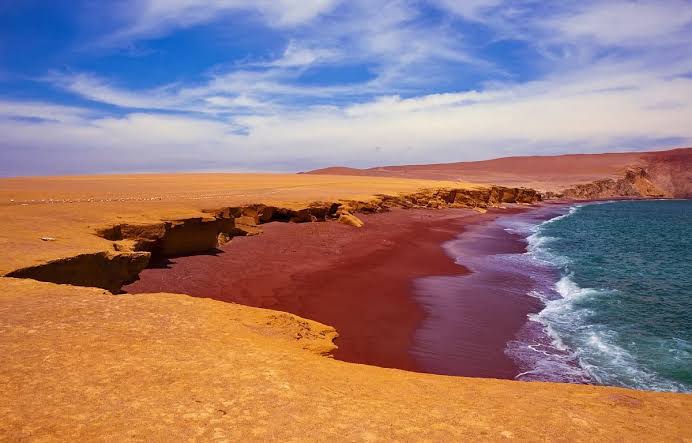
The Peruvian coast is a long, narrow desert between the Pacific Ocean and the Andes. It almost never rains, but the climate is not as hot as you might expect.
Lima and the central coast
Summer, from December to April, is sunny and warm, with highs of about 26 to 29 °C. Winter, from June to October, is mild but gray and humid, with highs of about 17 to 19 °C, a low cloud cover and a fine drizzle called garúa. Explore the capital on our Lima City Tour (from USD 20).
The south coast: Paracas, Ica and Nazca
Drier and sunnier than Lima, with hot days and cool nights in the desert. The skies are usually clear, which is perfect for flights over the Nazca Lines.
The north coast: Tumbes, Piura, Lambayeque and La Libertad
Warmer and sunnier all year, with beaches such as Máncora and highs of about 25 to 32 °C. This is the region most affected by El Niño rains.
Climate of Peru in the Andes
The Andes have two seasons:
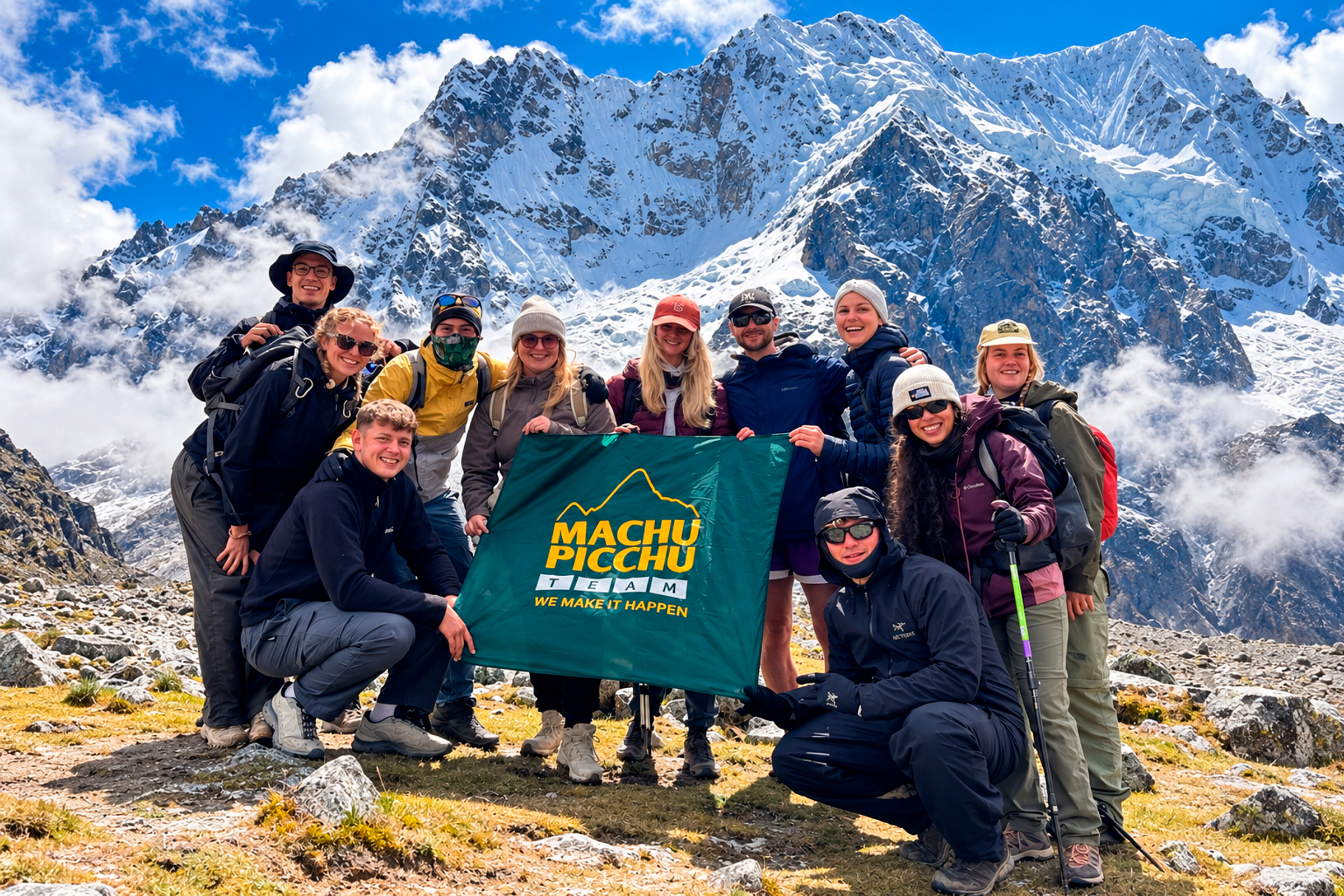
- Dry season, April to October: sunny days and blue skies, but cold nights, often below 0 °C from June to August. The best time for Machu Picchu, the Inca Trail and treks.
- Rainy season, November to March: rain mostly in the afternoons and at night, green landscapes and milder nights. January and February are the wettest months.
Temperatures depend mainly on the altitude:
| Place | Altitude | Climate |
|---|---|---|
| Machu Picchu | 2,430 m | Mild and humid, on the edge of the cloud forest |
| Arequipa | About 2,330 m | Sunny almost all year, dry and mild |
| Sacred Valley | About 2,800 m | Warmer than Cusco, cool nights |
| Cusco | 3,400 m | Sunny days of about 20 °C, cold nights |
| Puno and Lake Titicaca | 3,812 m | Cold, especially at night |
| High passes and peaks | Above 4,500 m | Very cold, with snow and strong sun |
Read our detailed guide to the weather in Cusco by month and the Machu Picchu location and climate.
Climate of Peru in the Amazon
More than half of Peru is Amazon rainforest, with a hot, humid climate all year.
- High jungle (selva alta): the cloud forests on the eastern slopes of the Andes, such as the road to Manu or the area of Machu Picchu and Santa Teresa. Milder temperatures and frequent rain and mist.
- Low jungle (selva baja): the Amazon plain, around Puerto Maldonado and Iquitos. Hot, humid days of 25 to 35 °C and heavy tropical rain.
The rainiest months are November to April; May to October is drier and better for wildlife. From May to August, cold winds from the south called friaje can drop temperatures in the southern Amazon to about 10 °C for a few days. See our Amazon tours and read our Manu National Park guide.
Best time to visit Peru, by region
- Machu Picchu, Cusco and treks: April to October. Book early for June to August, the busiest months. The Inca Trail closes in February.
- Lima and the coast: December to April for sunshine and beaches.
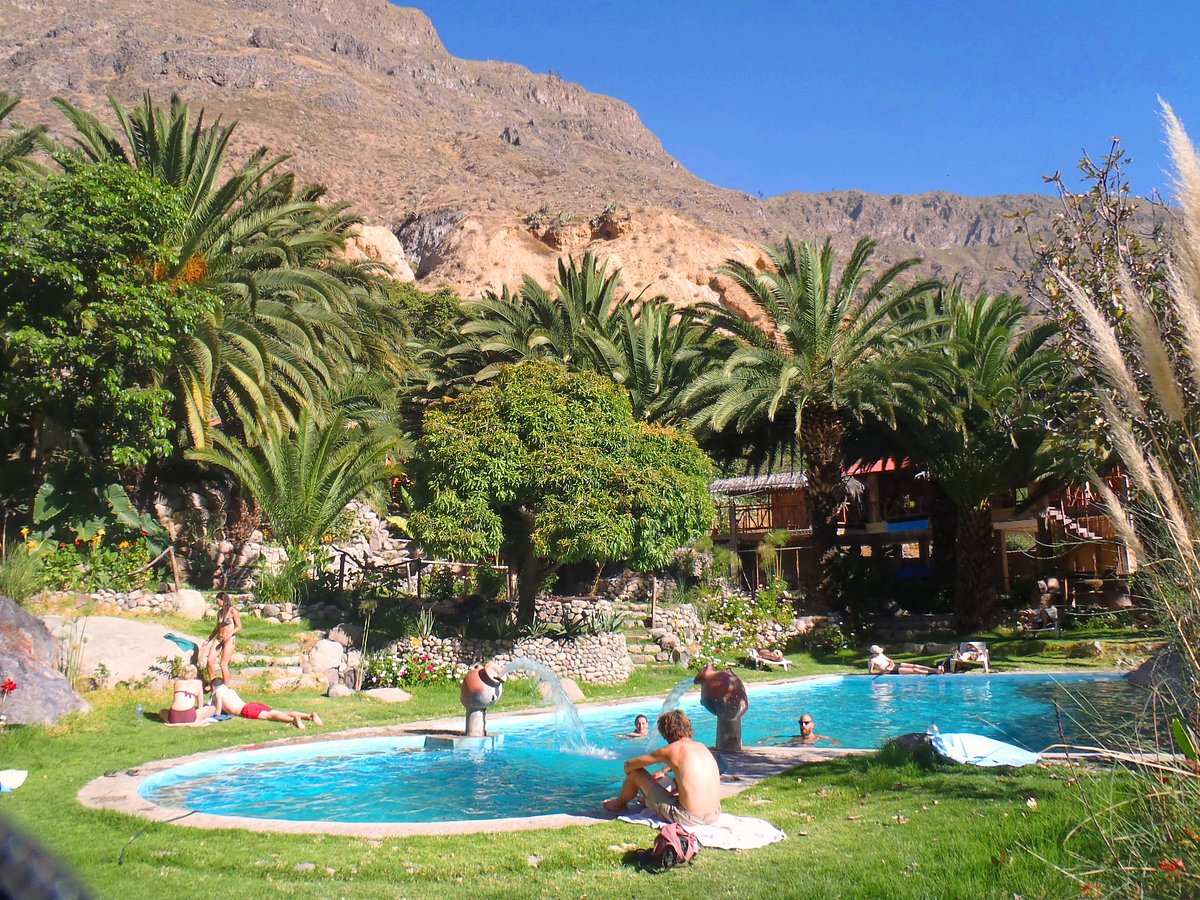
- Lake Titicaca and Arequipa: April to November; Arequipa is sunny almost all year. See our Lake Titicaca Tour and the Colca Canyon Full Day Tour (from USD 35).
- The Amazon: May to October, the drier season.
If you travel through several regions, the best overall months are May, June, September and October: dry in the Andes and the Amazon, with fewer crowds than in July and August.
What to pack for the climate of Peru
- Layers: T-shirts, a fleece and a warm jacket for the Andes nights
- A rain jacket or poncho, especially from November to March
- Sunscreen, sunglasses and a hat: the sun is very strong at altitude
- Light, long-sleeved clothes and insect repellent for the Amazon
- Comfortable walking shoes or hiking boots
Read more things you should know about Peru and our list of must-visit attractions in Peru. For daily forecasts, check SENAMHI, Peru’s national weather service.
Frequently asked questions about the climate of Peru
What is the climate of Peru like?
It depends on the region: a dry, mild desert on the coast, sunny days and cold nights in the Andes, and a hot, humid climate in the Amazon.
When is the rainy season in Peru?
In the Andes and the Amazon, roughly November to March or April. On the central and southern coast, it almost never rains.
Is Peru hot or cold?
Both. The coast and the Amazon are warm to hot, while Cusco, Puno and the high Andes have cool days and cold nights.
What is the best month to visit Peru?
May, June, September and October are excellent for most regions. For the coast’s beaches, December to April.
Does it snow in Peru?
Yes, on the high peaks and passes of the Andes, above about 4,500 to 5,000 m. Snow in cities like Cusco is very rare.