
Machu Picchu Team Travel | Local Trekking Guide
How Hard Is the Inca Trail? Your Complete Hiking Guide
How hard is the Inca Trail? The classic 4-day Inca Trail to Machu Picchu is a moderately challenging to strenuous hike covering approximately 43 km (26 miles). The route includes steep stone stairways, long mountain ascents, uneven terrain, and a maximum altitude of 4,215 meters (13,829 feet) at Dead Woman’s Pass.
Although the trek requires physical preparation, you do not need to be a professional athlete or an experienced mountaineer. Many first-time trekkers successfully complete the route with appropriate training, gradual acclimatization, and the support of an experienced local guide.
In this guide, our Cusco-based team explains the real Inca Trail difficulty, the altitude challenges, the hardest hiking days, and how to prepare for one of Peru’s most remarkable adventures.
Distances, walking times and elevations are approximate and can vary with the itinerary, campsite assignments and conditions.
1. Inca Trail Difficulty: What Makes the Hike Challenging?
When travelers ask “How hard is the Inca Trail?”, the answer depends on several factors: physical fitness, experience walking on mountain trails, acclimatization, and weather conditions.
The classic route is not a technical climbing expedition. You do not normally need ropes, climbing equipment, or mountaineering skills. However, the trail presents challenges that are very different from ordinary walking.
High-Altitude Hiking
As elevation increases, lower oxygen availability makes sustained physical activity more demanding. Even strong hikers may notice slower walking speeds and heavier breathing.
Steep Inca Stairways
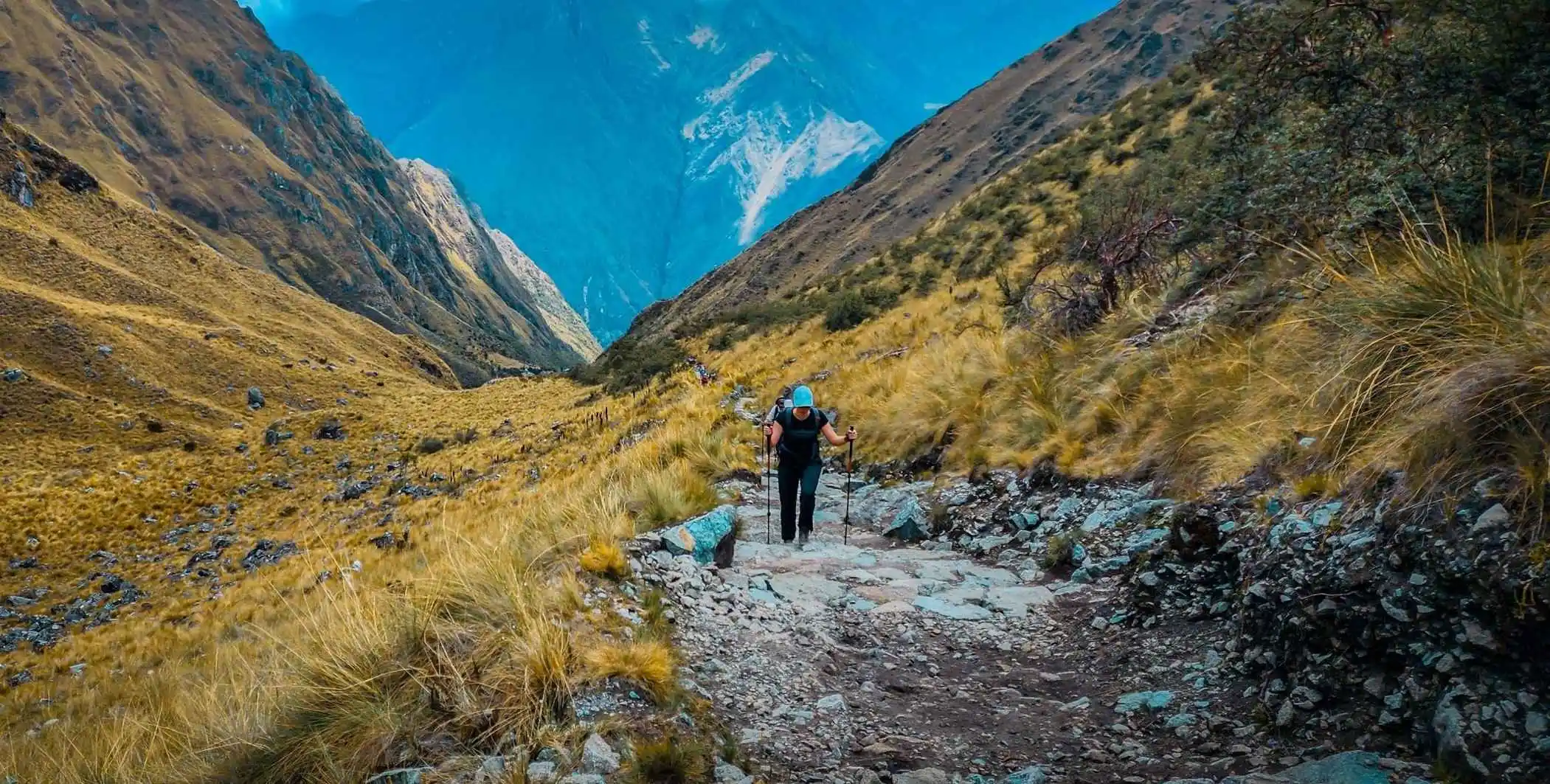
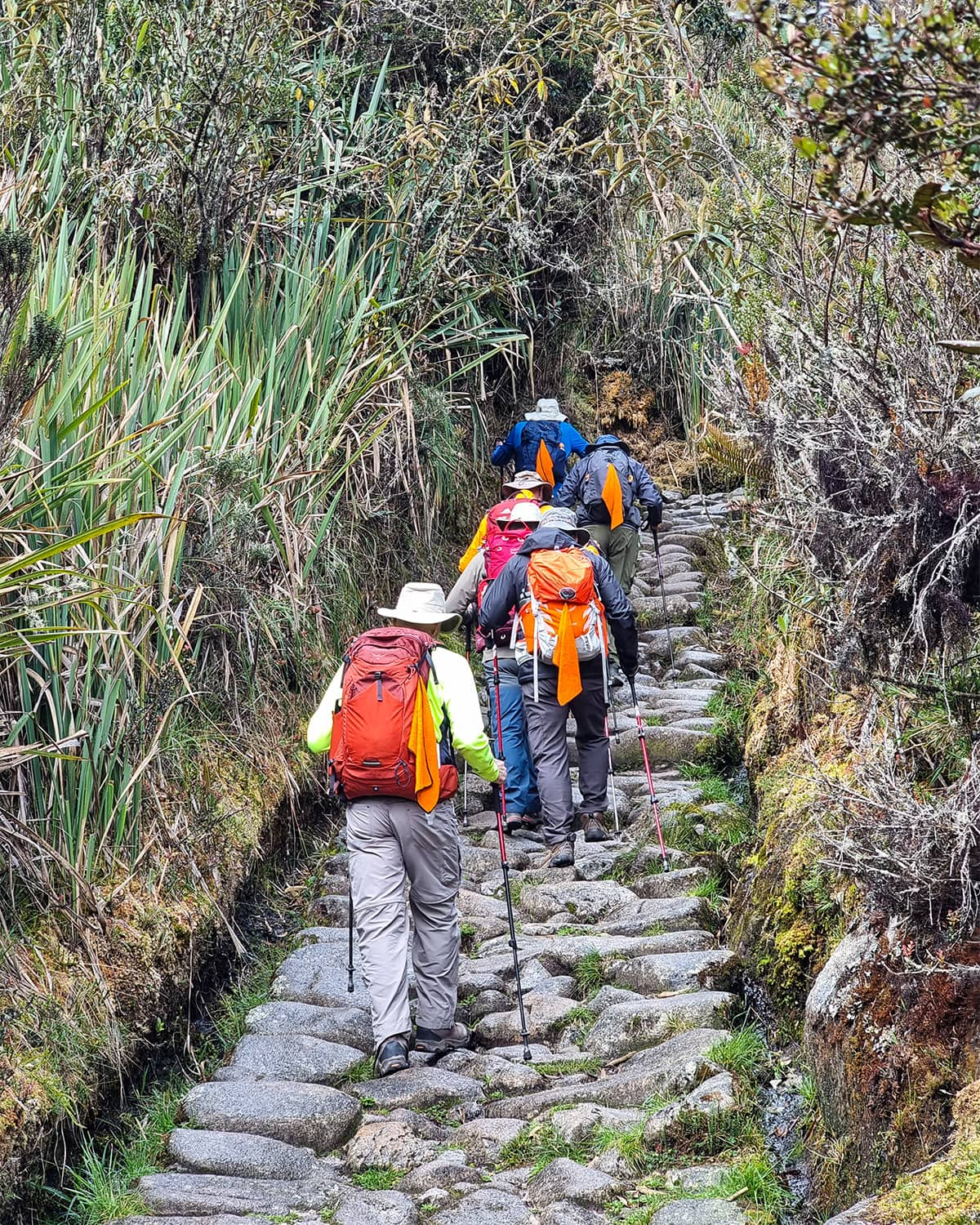
The ancient stone steps are one of the defining features of the trail. Long climbs challenge your endurance, while descents place additional stress on your knees.
Consecutive Hiking Days
Walking for several hours on four consecutive days can lead to accumulated fatigue, especially if you have not practiced multi-day hiking beforehand.
How Difficult Is the Inca Trail Compared to a Normal Hike?
A typical day hike may allow you to return to comfortable accommodation and recover completely. The classic Inca Trail requires repeated physical effort, overnight camping, and adapting to changing mountain conditions.
The main difficulty is not the distance alone. It is the combination of elevation gain, altitude, stone steps, and repeated hiking days that makes the experience challenging.
2. Inca Trail Altitude: How High Does the Trail Go?
The Inca Trail altitude is an important consideration when planning your trek. The route starts in the Sacred Valley, climbs through high Andean terrain, and eventually descends into the cloud forest surrounding Machu Picchu.
The highest point of the classic route is Dead Woman’s Pass at 4,215 meters (13,829 feet). This elevation is significantly higher than Machu Picchu itself, which sits at approximately 2,430 meters (7,972 feet).
| Location | Altitude | Significance |
|---|---|---|
| Km 82 Trailhead | ~2,720 m | Classic starting point |
| Wayllabamba | ~3,000 m | Mountain settlement |
| Dead Woman’s Pass | 4,215 m | Highest point |
| Runkurakay Pass | ~3,950 m | Second major pass |
| Wiñay Wayna | ~2,650 m | Archaeological site |
| Machu Picchu | ~2,430 m | Final destination |
For comparison, Cusco is approximately 3,400 meters above sea level. Although the Inca Trail starts below Cusco’s elevation, hikers climb substantially higher during the trek.
Does Inca Trail Altitude Make the Trek Harder?
Yes. At higher elevations, physical effort can feel more demanding, and some travelers may experience altitude illness. Fitness alone does not protect against altitude sickness.
Proper acclimatization, gradual exertion, and recognizing symptoms are essential parts of preparing for the trek.
The Highest Point
3. Dead Woman’s Pass: The Hardest Climb on the Inca Trail
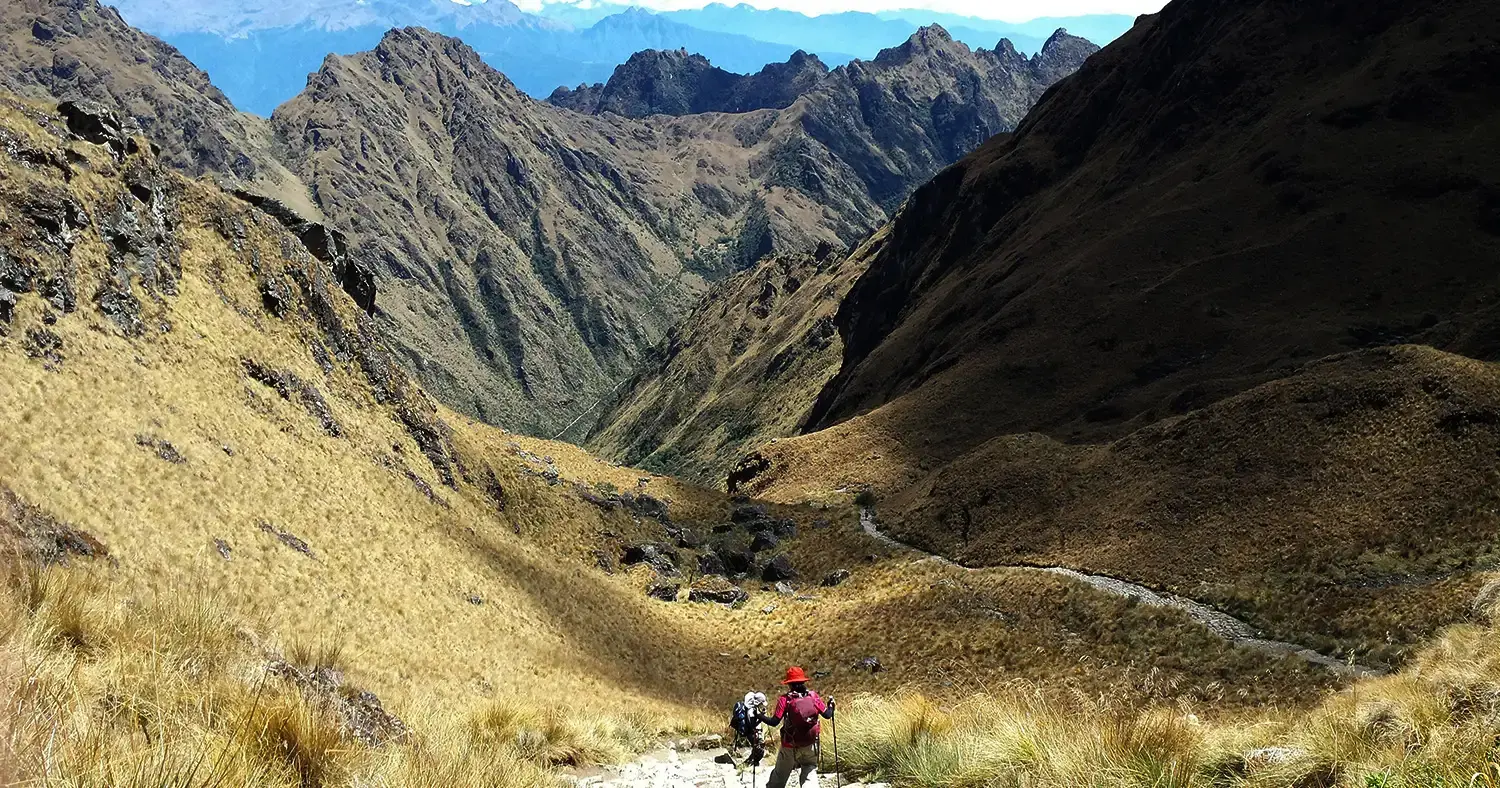
Dead Woman’s Pass, known locally as Warmiwañusca, reaches 4,215 meters (13,829 feet). It is the highest point of the classic four-day route and, for many travelers, the most physically demanding section.
Most itineraries cross the pass on Day 2. The approach involves a prolonged ascent with steep sections and ancient stone steps.
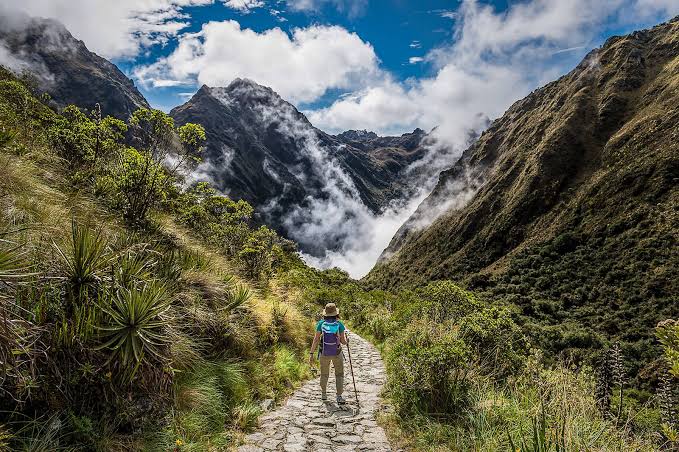
As hikers approach the summit, they often need to slow down and take more frequent breaks. Reaching the top is an unforgettable achievement, surrounded by dramatic Andean mountain scenery.
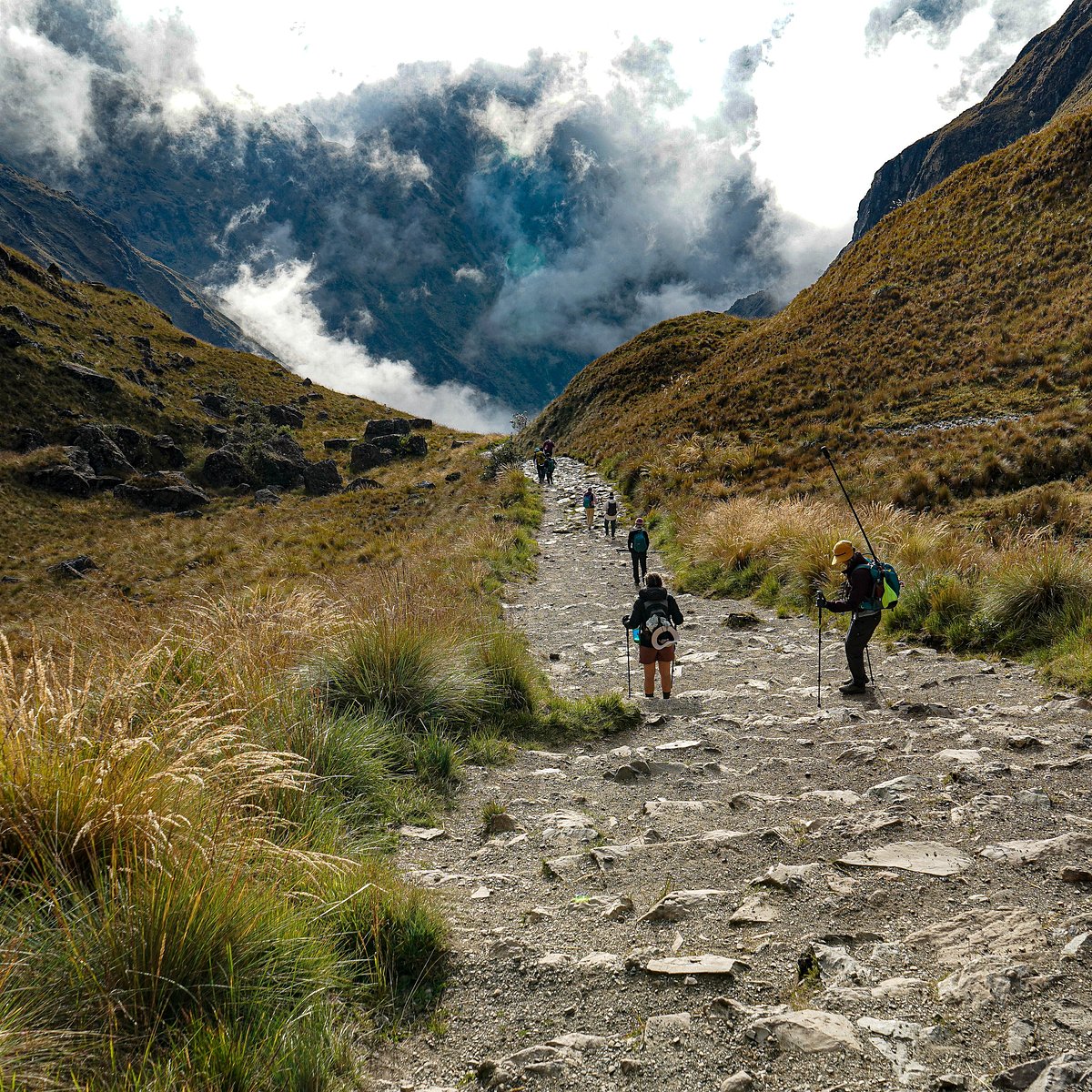
However, the challenge continues after the summit. The descent includes steep steps that can be demanding on tired legs, particularly during wet weather.
4. Inca Trail Difficulty by Day: What to Expect
Understanding the daily challenges is one of the best ways to prepare. The following overview describes a representative classic four-day itinerary. Actual campsites, distances, and walking times may vary.
Km 82 to the First Campsite
The first day introduces hikers to the Inca Trail through sections of the Sacred Valley, archaeological landscapes, and gradual mountain ascents.
The terrain includes a combination of relatively gentle walking and uphill sections. It is a useful opportunity to establish your pace and adjust to the trekking routine.
Main challenge: Getting comfortable with sustained hiking and changing elevations.
The Climb to Dead Woman’s Pass
Day 2 is usually the hardest day of the classic Inca Trail. Hikers climb toward Warmiwañusca at 4,215 meters before descending into the next valley.
The combination of altitude, steep stone steps, and prolonged climbing makes this day particularly demanding.
Main challenge: Sustained uphill walking at high altitude, followed by a steep descent.
Inca Ruins, Mountain Passes and Cloud Forest
The third day combines beautiful archaeological sites, mountain scenery, and changing vegetation as the trail descends toward the cloud forest.
Depending on the itinerary, hikers may pass Runkurakay, Sayacmarca, Phuyupatamarca, and other remarkable Inca sites.
Although the highest pass is behind you, long downhill stairways can be challenging for the knees and quadriceps.
Main challenge: Uneven steps, accumulated fatigue, and potentially lengthy descents.
Sun Gate and Machu Picchu
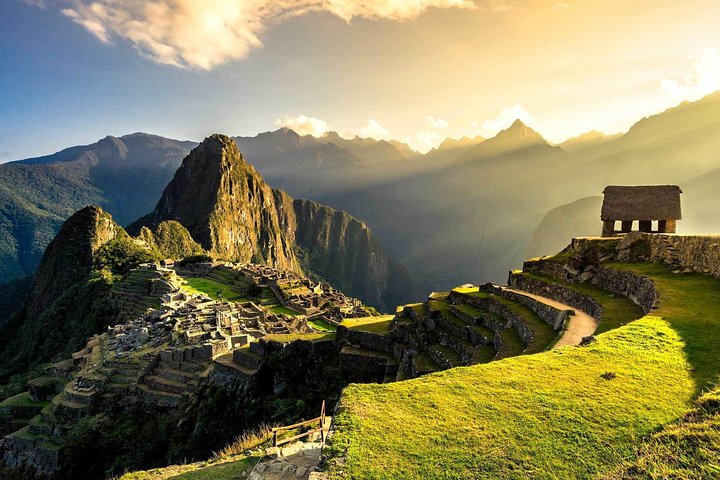
The final day begins early, with hikers continuing toward Inti Punku, the Sun Gate, before arriving at Machu Picchu.
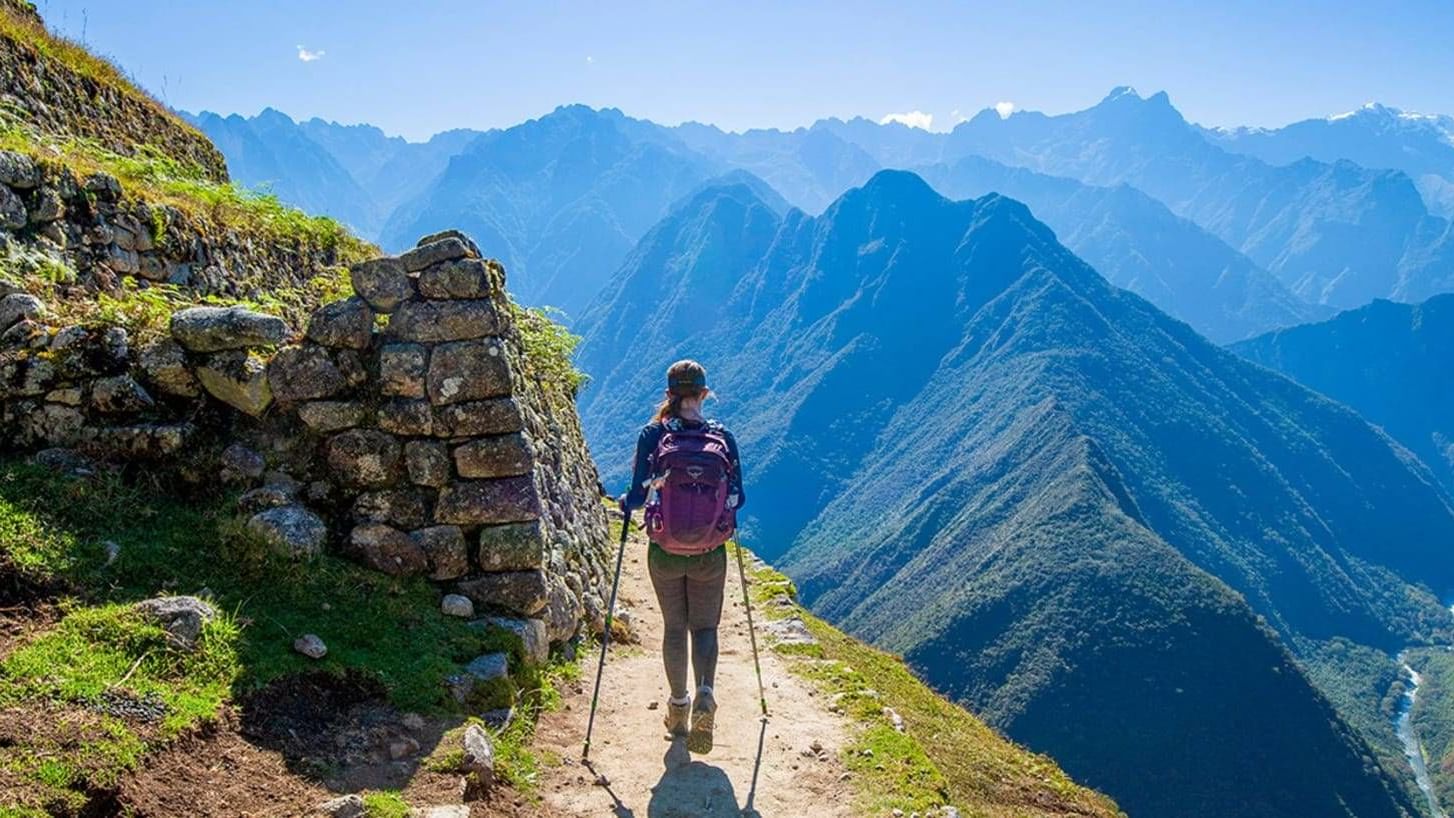
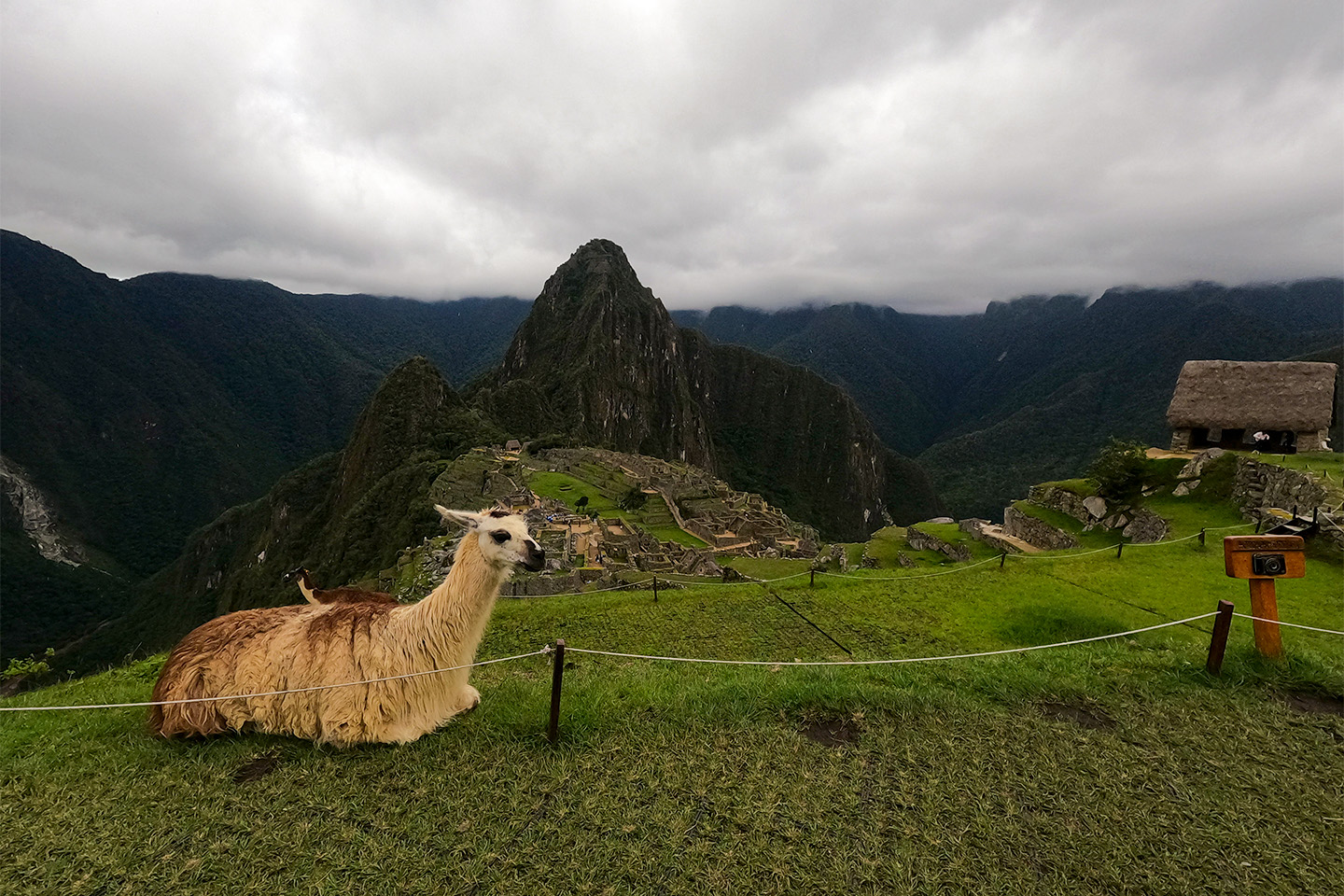
Weather permitting, the first view of the archaeological sanctuary from the Sun Gate is one of the highlights of the entire journey.
The walking distance is generally shorter, but uneven terrain, early departure, and fatigue still require attention.
Main challenge: Early-morning hiking and the final stone stairways.
Which Day of the Inca Trail Is the Hardest?
For most hikers, Day 2 is the hardest because of the climb to Dead Woman’s Pass. Some travelers find Day 3 equally tiring due to the long descents and accumulated fatigue. The exact difficulty depends on your fitness, itinerary, weather, and acclimatization.
5. Can Beginners Hike the Inca Trail?
One of the most common questions from first-time travelers is “How hard is the Inca Trail for beginners?” The encouraging answer is that many beginners complete the classic trek successfully.
Previous multi-day trekking experience is useful, but it is not always necessary. What matters more is having a reasonable fitness level, preparing consistently, and understanding the physical demands of the route.
You May Be Well Prepared If:
- You walk or exercise regularly.
- You can hike uphill for extended periods.
- You feel comfortable on uneven ground.
- You have practiced climbing stairs.
- You can dedicate time to acclimatization.
- You are comfortable hiking at a steady pace.
Consider Additional Preparation If:
- You rarely exercise.
- You struggle with prolonged uphill walking.
- You have not practiced hiking on uneven trails.
- You experience significant knee discomfort on stairs.
- You plan to arrive immediately before trekking.
- You have medical concerns requiring professional advice.
Do You Need to Be Extremely Fit?
No. You do not need elite athletic fitness. However, you should be able to walk for several hours, climb hills, and repeat physical activity on consecutive days.
If you are uncertain about your readiness, begin training gradually and consider discussing your plans with a qualified healthcare professional, particularly if you have a relevant medical condition.
6. How to Train for the Inca Trail: An 8-Week Preparation Guide
Physical preparation can significantly improve your comfort and confidence. If you are not already an active hiker, starting a gradual training program approximately eight weeks before departure is a practical approach.
Focus on walking endurance, uphill climbing, leg strength, balance, and recovering between hiking days.
| Weeks | Training Focus |
|---|---|
| 1–2 | Regular walking, gentle hills, mobility exercises, and basic leg strengthening. |
| 3–4 | Longer walks, stair climbing, and progressively more challenging uphill routes. |
| 5–6 | Long weekend hikes, controlled descents, and walking with a light daypack. |
| 7–8 | Practice consecutive hiking days, then reduce training intensity before departure to recover. |
Recommended Exercises
- Hill walking: Improves endurance for mountain ascents.
- Stair climbing: Prepares your legs for the ancient stone steps.
- Step-ups and squats: Develops strength and control.
- Long-distance walking: Helps build endurance for full hiking days.
- Downhill hiking: Prepares your legs for sustained descents.
- Balance exercises: Supports stability on uneven surfaces.
Whenever possible, practice in the footwear and daypack you plan to use on the trek. Avoid increasing your training workload too quickly, and allow recovery time.
7. Acclimatization and Altitude Sickness on the Inca Trail
Because the classic route reaches 4,215 meters, altitude is one of the most important aspects of Inca Trail preparation.
How Many Days Should You Acclimatize?
When possible, allow at least two to three days in the Cusco or Sacred Valley region before beginning the trek. Travelers arriving directly from sea level may benefit from a longer, more gradual acclimatization period.
During your first days, avoid unusually intense physical activity, eat regularly, stay appropriately hydrated, and limit excessive alcohol consumption.
Common Symptoms of Altitude Sickness
- Headache
- Nausea or loss of appetite
- Dizziness
- Unusual tiredness
- Difficulty sleeping
If symptoms develop, inform your guide promptly. Do not continue ascending while symptoms are worsening. Severe breathlessness at rest, confusion, or difficulty walking normally may indicate a medical emergency requiring immediate assistance and descent.
Acclimatization reduces risk but does not guarantee that altitude sickness will not occur. Travelers with health conditions or previous altitude illness should seek individualized medical advice.
For additional information, consult the CDC Yellow Book: High-Altitude Travel and Altitude Illness.
8. Inca Trail 2 Days vs. 4 Days: Which Is Easier?
If you are concerned about Inca Trail difficulty, the shorter two-day itinerary may be a suitable alternative.
The Short Inca Trail begins at Km 104 and includes approximately 12 km of hiking on the first day, passing Wiñay Wayna before reaching the Sun Gate. The second day is dedicated to visiting Machu Picchu.
Unlike the classic route, it does not cross Dead Woman’s Pass and does not require camping.
| Feature | 2-Day Inca Trail | 4-Day Inca Trail |
|---|---|---|
| Hiking distance | ~12 km | ~43 km |
| Maximum altitude | ~2,700 m | 4,215 m |
| Difficulty | Moderate | Moderate–Strenuous |
| Accommodation | Hotel in Aguas Calientes | Trail camping |
| Mountain passes | No Dead Woman’s Pass | High Andean passes |
| Sun Gate | Yes | Yes |
Which Inca Trail Should You Choose?
Choose the 4-day Inca Trail if you want the complete historical trekking experience, are prepared for multiple hiking days, and enjoy camping in the mountains.
Choose the 2-day Inca Trail if you have limited time, prefer hotel accommodation, or want to experience part of the original Inca route without crossing the highest mountain passes.
Remember that the shorter itinerary still requires several hours of uphill walking and is not a completely easy sightseeing tour.
9. What Should You Pack for the Inca Trail?
Choosing appropriate equipment can make the trek more comfortable, particularly when dealing with cold mornings, rain, steep steps, and changing mountain conditions.
Clothing and Footwear
- Broken-in hiking boots or suitable trail shoes
- Comfortable hiking socks
- Moisture-wicking clothing
- Warm insulating layers
- Waterproof jacket
- Sun hat and warm hat
- Lightweight gloves
Hiking Essentials
- Original passport
- Comfortable daypack
- Water and personal snacks
- Sunscreen and sunglasses
- Headlamp
- Personal medications
- Rain protection for your belongings
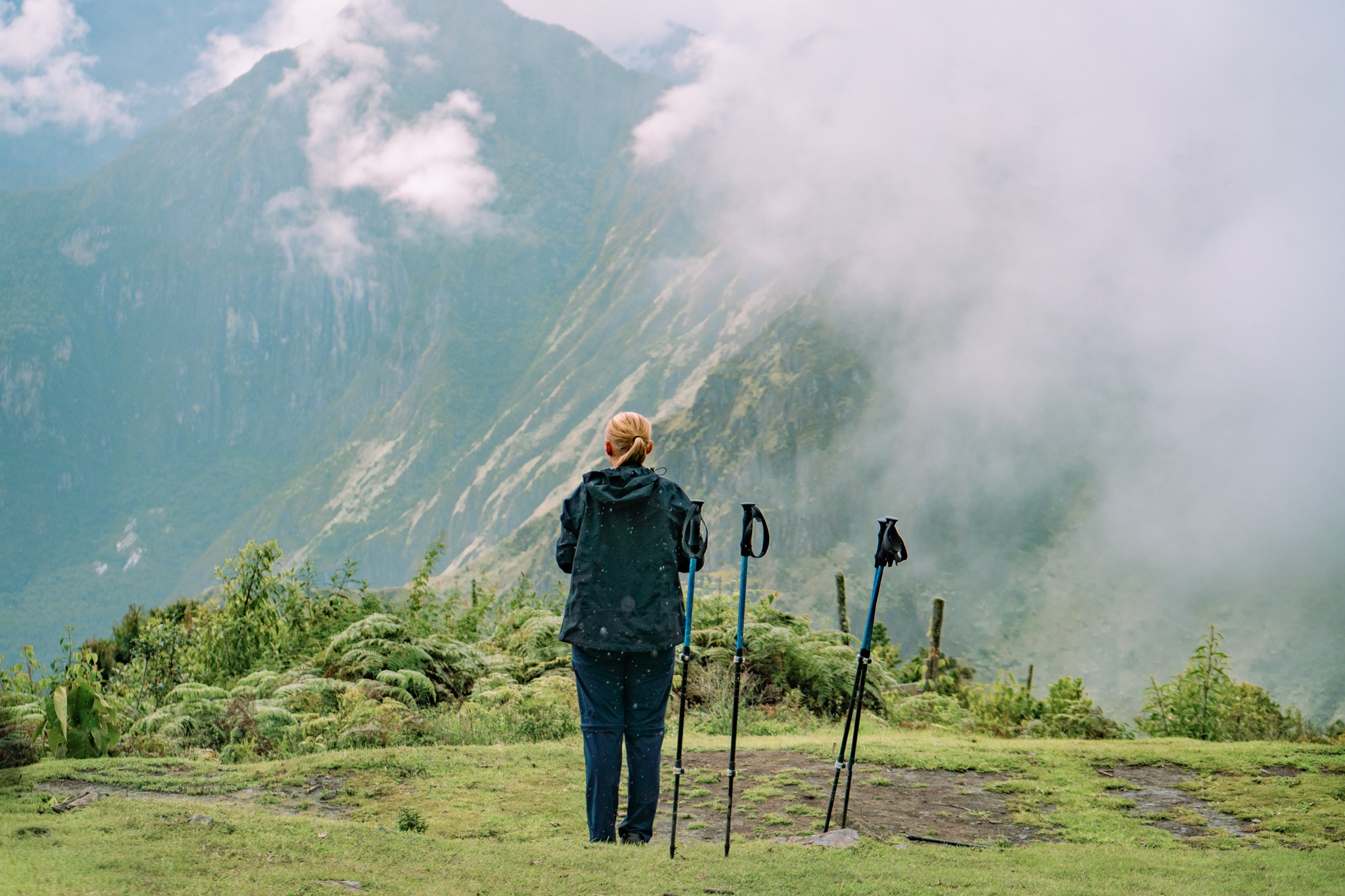
- Trekking poles with rubber tips
Pack only what you need during the day in your personal daypack. Confirm your tour’s equipment and porter arrangements before departure, as inclusions vary by itinerary and booking.
10. Frequently Asked Questions About Inca Trail Difficulty
How hard is the Inca Trail for an average person?
The classic four-day route is moderately challenging to strenuous. Many healthy travelers with reasonable fitness, appropriate training, and proper acclimatization can complete it at a comfortable pace.
What is the highest altitude on the Inca Trail?
The highest point of the classic Inca Trail is Dead Woman’s Pass, also called Warmiwañusca, at approximately 4,215 meters (13,829 feet).
Is the Inca Trail harder than the Salkantay Trek?
Both treks are physically demanding in different ways. Salkantay reaches a higher pass at approximately 4,630 meters, while the Inca Trail features extensive stone stairways and several consecutive hiking days. The overall difficulty depends on the itinerary and the individual hiker.
How hard is the Inca Trail without previous hiking experience?
Beginners may complete the trek successfully, but they should prepare with regular walks, hill training, stair climbing, and gradual increases in endurance before traveling to Peru.
How many hours do you hike each day?
On a typical classic itinerary, walking days may last approximately five to nine hours, depending on the route section, campsite schedule, weather, and group pace. The final morning is usually shorter.
Can you get altitude sickness on the Inca Trail?
Yes. Altitude sickness can affect travelers regardless of fitness. Acclimatization, recognizing symptoms, and following medical and guide advice are essential.
Is the 2-day Inca Trail easier than the 4-day trek?
Generally, yes. The two-day itinerary involves one main hiking day, does not cross Dead Woman’s Pass, and uses hotel accommodation. It still includes a substantial uphill hike.
How long should I acclimatize before the Inca Trail?
Many travelers allow at least two to three days in the region before starting. Individual acclimatization needs vary, and some travelers benefit from a longer, more gradual adjustment.
Is the Inca Trail worth the physical effort?
For travelers who enjoy hiking and prepare for the challenge, the route offers a memorable combination of mountain scenery, archaeological sites, Inca history, and arrival at Machu Picchu through the Sun Gate.
Explore With Local Experts
11. Choose Your Inca Trail Adventure with Machu Picchu Team
Machu Picchu Team Travel is a local tour operator based in Cusco. Our team organizes guided trekking experiences with local staff and coordinated services to help travelers explore the Inca Trail and Machu Picchu.
Whether you prefer the complete four-day trek or the shorter two-day adventure, choosing an itinerary that matches your fitness and available time is an important part of planning.
The Complete Experience
Classic Inca Trail 4 Days
Follow the historic mountain route, cross high Andean passes, explore Inca archaeological sites, and reach Machu Picchu through the Sun Gate.
Ideal for: Travelers seeking the complete multi-day trekking adventure.
The Shorter Experience
Short Inca Trail 2 Days
Hike from Km 104, visit Wiñay Wayna, reach the Sun Gate, and enjoy hotel accommodation in Aguas Calientes.
Ideal for: Travelers with limited time or who prefer to avoid camping.
Final Thoughts: How Hard Is the Inca Trail Really?
So, how hard is the Inca Trail? The classic four-day route is a rewarding but physically demanding adventure. Its greatest challenges include high altitude, steep stone steps, prolonged climbs, and several consecutive days of hiking.
However, the trail is achievable for many travelers who prepare properly. Regular training, gradual acclimatization, appropriate equipment, and realistic expectations can make a meaningful difference.
The experience offers much more than a physical challenge. It is an opportunity to walk historic Inca pathways, discover remarkable archaeological sites, and approach Machu Picchu through one of the most memorable trekking routes in South America.
Machu Picchu Team Travel
Ready to Experience the Inca Trail?
Our Cusco-based team can help you choose the right trekking itinerary, understand the physical requirements, and check permit availability for your preferred travel dates.
Inca Trail permits are limited and subject to official availability.
Photo Gallery