
Research checked: November 14, 2026. Information on hygiene and dietary risk is based on public-health guidance; it is not individualized medical advice. Menus, suppliers and food prices must be verified for the exact trip.
Peru is one of the world’s great destinations for eating, from Lima’s seafood and markets to Andean soups, quinoa dishes, potatoes, corn and carefully prepared meals on trekking routes. A food-focused journey can be one of the most memorable parts of a holiday. Yet for someone with celiac disease, a severe allergy, diabetes or a sensitive stomach, the important details are often invisible in a restaurant menu.
The aim is not to frighten visitors away from delicious Peruvian food. It is to help travelers choose safe meals, explain their needs in clear Spanish, understand how preparation changes between a city restaurant and a remote camp, and make informed decisions without assuming that food marketed as healthy, traditional or natural is automatically safe.
What do public-health authorities say about food safety in Peru?
Peru’s General Directorate of Environmental Health and Food Safety, DIGESA, oversees aspects of food-safety surveillance and encourages good manufacturing and handling practices. In a September 2026 report on restaurant inspections, DIGESA emphasized hand hygiene, proper storage, cleaning and disinfection, temperature control, and avoiding cross-contamination between raw foods and ready-to-eat dishes. These are practical principles regardless of the cuisine or price of the establishment.
The CDC’s Yellow Book gives travelers a complementary rule: properly cooked food served hot and fruit personally peeled after appropriate washing are generally safer choices when hygiene is uncertain. Raw seafood, undercooked meat, unpasteurized dairy, washed-but-uncooked produce and water or ice of unknown origin deserve extra caution. Risk depends on handling and environmental conditions rather than a restaurant being “local” or “touristy.”
Good hygiene does not mean avoiding every traditional dish. A cooked quinoa soup or a freshly prepared, thoroughly cooked trout dish can be an excellent choice. Raw-fish ceviche is culturally important but carries a different food-safety profile, especially for travelers who are pregnant, immunocompromised or otherwise vulnerable. Choose in consultation with your healthcare professional if a condition changes your food-risk tolerance.
| Food or drink | Main question | More cautious choice when unsure |
|---|---|---|
| Bottled water | Is the seal intact? | Factory-sealed water or safely treated water |
| Ice | Was it prepared with safe water? | A drink without ice |
| Raw seafood | Are handling and cold-chain standards reliable? | Thoroughly cooked fish |
| Fresh salads | Was produce washed with potable water? | Cooked vegetables |
| Fruit juices | Are fruit, water and equipment hygienic? | Whole fruit you peel yourself |
| Buffet dishes | Is hot food kept hot and cold food cold? | Freshly cooked individual portions |
| Street food | Is the food cooked and served promptly? | Busy vendors cooking food to order, with hygiene checks |
Is tap water safe to drink in Cusco, Lima or rural Peru?
Visitors should not assume that tap water is safe for drinking throughout Peru. The safety of municipal supplies and private plumbing varies, and the US State Department cautions travelers about drinking tap water in many parts of the country. For routine travel, many visitors choose sealed bottled water, reliably filtered water or adequately treated water. Ask a hotel or trekking company exactly how it supplies drinking water rather than assuming that a refill station is properly maintained.
Filtering and disinfection are different processes. A filter designed for particulates may not remove every virus; chlorine treatment can be less effective in some conditions and may require adequate contact time. Boiling water where suitable is a reliable method to inactivate many pathogens, although it does not remove chemical contamination. Follow reputable public-health instructions for the particular purification method and local conditions, and keep clean storage containers.
Water safety also affects brushing teeth, washing produce, preparing infant formula and making ice. For travelers with weakened immunity or babies, stricter precautions may be appropriate. Do not fill a reusable bottle from an unknown tap simply because the surrounding hotel looks expensive.
What is different about food on the Inca Trail and remote treks?
On a multi-day trek, food must be transported, stored, cooked and served with limited infrastructure. Quality depends on planning: safe water, clean preparation areas, separation of raw and cooked ingredients, utensils that can be sanitized, adequate cooking and storage temperatures, and waste management. A knowledgeable kitchen team can produce impressive meals in the mountains, but visitors should ask what methods and facilities are available rather than treat the word “professional” as a hygiene certificate.
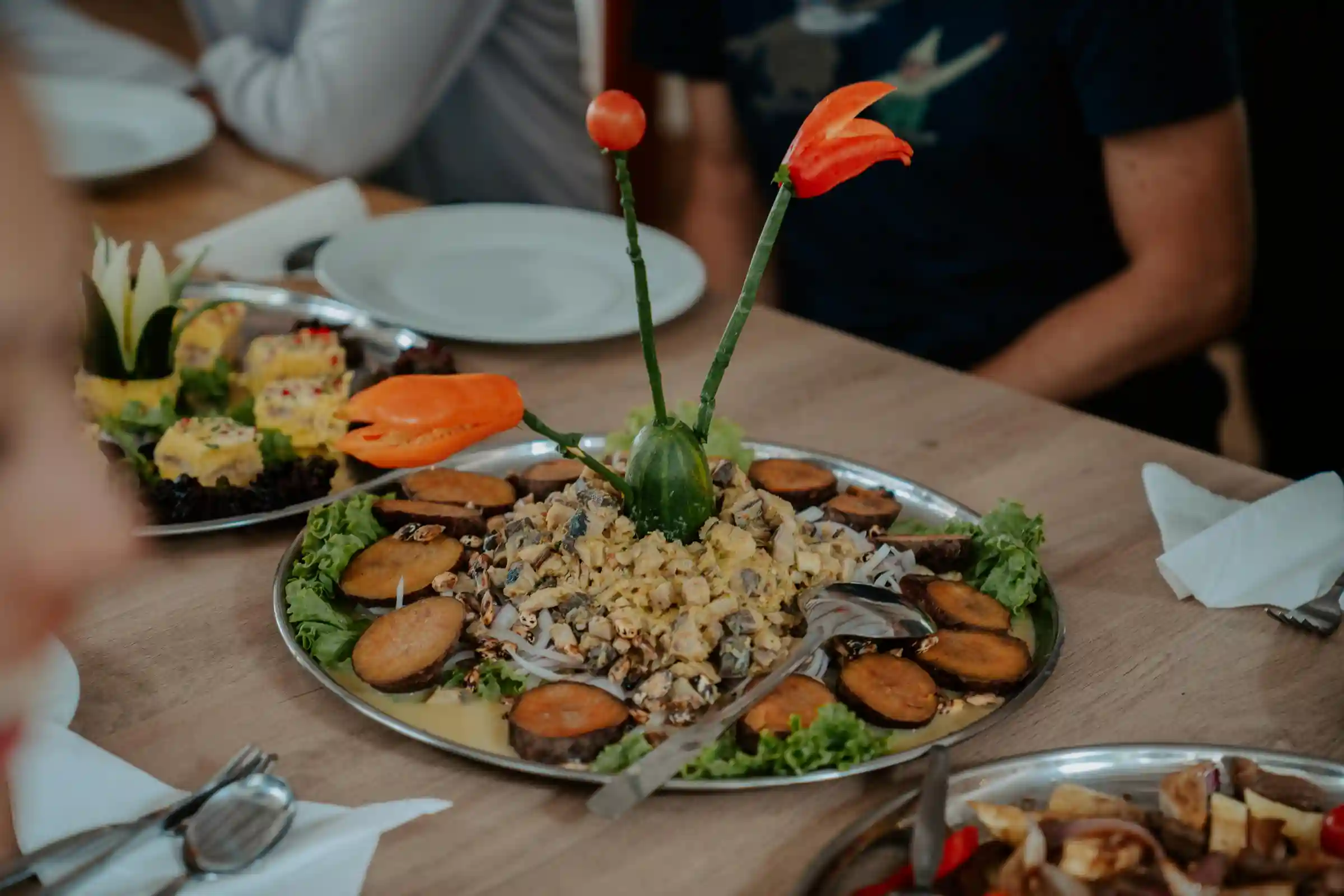
Machu Picchu Team’s published four-day Inca Trail includes a cooking team and specifies four breakfasts, four lunches and three dinners, with options labeled vegetarian, vegan and gluten-free. Its page also lists kitchen and dining tents, porters and boiled drinking water beginning on the route as described. This is a useful example of what an operator can disclose about food logistics. The published offering is not an independent food-safety audit or proof that a camp is free of allergens.
If a traveler needs a medically strict diet, send a written request before the agency purchases supplies. Describe actual ingredients that cannot be eaten, how serious the consequences are, and whether dedicated utensils or preparation areas are required. In a private itinerary, more individual meal planning may be possible, potentially with an additional charge for specialist ingredients or staffing. Feasibility must be confirmed before final payment.
How can vegetarian and vegan travelers eat well in Peru?
Peruvian cuisine offers many possibilities: quinoa, native potatoes, maize, beans, vegetables, fruit, rice and regional soups. But a dish that appears vegetarian might be prepared with chicken stock, beef broth, lard or a sauce containing dairy. The word “sin carne” (without meat) does not necessarily exclude fish, animal-based broth or gelatin. When the distinction matters, ask explicitly about each ingredient.
A useful Spanish phrase is “No como carne, pollo, pescado ni mariscos; tampoco caldo de carne” for someone avoiding meat, poultry, fish, shellfish and meat-based stock. Vegans may also ask about eggs, butter, cheese and milk: “No consumo huevos, leche, queso, mantequilla ni otros productos de origen animal.” Be polite and precise; restaurant staff do not automatically share the same definition of a diet in every language.
In Lima and Cusco, travelers may find a broad range of dedicated vegetarian options. In small rural towns and on transport stops, choices may be limited. Carry a safe snack and explain dietary preferences when booking. A vegan meal is not automatically safe for someone with a peanut allergy, and vegetarian labels do not establish separate preparation surfaces.
What should travelers with celiac disease know?
Gluten-free is not the same as made without obvious bread. Wheat flour may appear in soups, sauces, coatings and seasonings. Shared toasters, frying oil, grills and utensils can transfer gluten to a meal. Even dishes based on naturally gluten-free potato, quinoa or corn can become unsuitable through cross-contact during preparation. Travelers with medically diagnosed celiac disease should communicate that it is a health requirement, not simply a dietary preference.
In Spanish, “Tengo enfermedad celíaca. No puedo consumir gluten: trigo, cebada ni centeno. También necesito evitar la contaminación cruzada” explains the central issue. Ask whether the kitchen can use clean equipment and a separate preparation area. If the response is uncertain, choose a simple safe option or food you brought from home rather than rely on reassurance that “it only has a little flour.”
For multi-day trekking, notify the operator in advance and discuss ingredients, cooking facilities, substitutes and emergency snacks. Specialist packaged products may be harder to find outside larger cities. Any promise about gluten-free meals must be judged against the actual preparation process.
How should travelers handle serious food allergies?
A severe allergy is different from a dislike or mild intolerance. It can require avoidance of trace exposure, a specific emergency plan and immediate access to prescribed medication. Bring medication according to medical advice, including an epinephrine auto-injector where prescribed, and ensure that companions understand how to respond. Ask a clinician about the availability of refills abroad and whether travel requires extra supplies.
Describe the allergen clearly in Spanish and English, preferably on a printed card. For example: “Soy alérgico/a al maní. Una cantidad pequeña puede causar una reacción grave. ¿Este plato contiene maní o fue preparado con utensilios que lo tocaron?” Ask about ingredient substitutions, shared cooking oil and sauces. Staff may use different names for nuts, grains, seafood or local ingredients. Do not assume that removing a visible ingredient makes a dish safe.
A rural dining room with one preparation surface may be unable to guarantee zero cross-contact. It is responsible for a provider to explain a limitation rather than promise perfect safety. When booking a remote tour, agree on a realistic meal plan and discuss access to emergency care if a reaction occurs.
How do diabetes and other medical diets affect travel planning?
Travel can change meal timing through early train departures, long bus journeys, delayed flights and physically demanding treks. Someone who needs regular meals or carbohydrate monitoring should discuss the plan with their healthcare professional and carry appropriate snacks, supplies, medications and monitoring equipment. Trekking effort and altitude may change the context for medication or food intake; advice should be individualized, not derived from a blog formula.
For low-sodium, renal, low-FODMAP or other restricted diets, send a detailed list of permitted and prohibited ingredients to accommodation and tour providers in advance. Do not expect the kitchen to know every clinical dietary system. If a diet depends on exact quantities or specialist products, bring an approved personal supply after checking transport and customs restrictions.
A group tour may offer one fixed meal at a remote lunch stop. A private program may allow more flexibility with timing, ingredient purchases and preparation, although it cannot guarantee specialized medical nutrition. Written planning is more reliable than a promise to “sort it out on the day.”
What are the most common misunderstandings about ceviche, cuy and Andean soups?
Ceviche traditionally uses raw fish cured in citrus, which changes texture and flavor but should not be described as equivalent to thorough cooking. A reputable restaurant can reduce handling risks but cannot make raw seafood risk-free. Cuy (guinea pig) is a traditional Andean food that some travelers choose to sample; the relevant safety questions concern cooking, storage and kitchen hygiene, not whether the food is unfamiliar. Travelers who prefer not to eat particular meats can enjoy plenty of other regional dishes.
Andean soups often contain nutritious grains, vegetables and meat or stock. A soup that appears plant-based may have beef, chicken or animal fat in its base. Sauces can contain peanuts, dairy or wheat flour. Ask for ingredients, especially when you have a serious allergy. The best culinary experiences involve curiosity and clear communication rather than assuming that tradition and safety are competing values.
How should food choices change between dry and rainy seasons?
The Cusco region’s relatively wet season often runs approximately November through March, with variation from year to year. Rain can interrupt road deliveries, change camping conditions and make drying equipment difficult. In the drier months, cold nights and long sunny days may produce different storage challenges. Food can become unsafe through poor temperature control in either season; rain itself does not determine the quality of a restaurant kitchen.
When trekking, ask how ingredients are protected from moisture, how drinking water is treated and what happens if the group is delayed overnight. For rainforest tours around Manu or Tambopata, heat and humidity put extra emphasis on appropriate food storage and timely service. Perishables need adequate handling independent of whether the trip is marketed as comfortable or adventurous.
A careful traveler packs a small food reserve, sanitizes hands before meals, drinks adequate safe water and recognizes that unfamiliar food combined with fatigue or altitude can make an ordinary stomach problem harder to manage. Serious dehydration or persistent symptoms warrant medical assessment.
What can visitors do if a restaurant or tour does not provide the agreed meal?
First, distinguish a sincere inability to supply an unconfirmed request from a failure to deliver a specifically contracted service. Save written booking terms and dietary correspondence. If a tour promised vegetarian meals but serves no suitable food, alert the guide or coordinator promptly, explain the practical impact and request a safe remedy. For a severe allergy, do not accept an unsafe meal merely to avoid delaying a group.
Peru’s consumer-protection framework includes the Libro de Reclamaciones, a formal complaint book available through the provider, including digital versions in relevant online sales contexts. INDECOPI’s consumer portal explains the provider’s duty to respond and the possibility of further complaint routes. A health concern needs immediate action first; documentation and consumer remedies come afterward.
On a private trip, ask before booking which substitutions can be confirmed and whether a special menu changes the price. Clear communication protects the cook and the guest equally: it is easier to source appropriate ingredients in Cusco before departure than to improvise them beside an isolated mountain pass.
How should travelers prepare for meals in 2027?
For 2027, menus, packaged ingredients, supplier availability, restaurant schedules and travel prices can change. The durable rules are to use safe water, avoid poorly handled food, communicate allergies precisely, carry necessary medications and verify arrangements in writing. Visitors can enjoy Peru’s great culinary variety while making choices that match their own medical needs and comfort.
Do not spend the entire journey in fear of food. Use a little preparation to make space for curiosity: try regional potatoes, well-prepared quinoa dishes, seasonal fruit that can be peeled safely, and cooked meals recommended by knowledgeable local hosts. The goal is a memorable food experience with realistic safeguards, not an impossible promise of zero risk.
How do you identify a more trustworthy restaurant without pretending to inspect its kitchen?
Travelers cannot conduct a professional sanitary inspection during a quick meal stop. However, they can observe visible signals: clean tables and utensils, staff handling money and food carefully, cooked dishes being served promptly, safe-looking food storage, and a willingness to explain ingredients. These observations are imperfect. A spotless dining room does not prove that the kitchen’s refrigeration or cross-contact procedures are adequate, and a simple market stall can prepare food responsibly.
Ask a clear question rather than attempt to judge staff by appearance. “Is this dish cooked to order?” and “Is the drinking water filtered or bottled?” are more useful than “Is your food safe?” For a serious allergy, ask whether the meal uses separate clean utensils and whether shared cooking oil is involved. If staff seem unsure, choose a food you can safely identify or eat elsewhere. A polite refusal is reasonable when the medical consequences of uncertainty are significant.
Be especially careful when hungry after a long bus ride. Time pressure encourages travelers to ignore questions they would ask at home. A small safe snack in your daypack provides the freedom to make a considered choice.
What should families with babies or young children prepare?
Infant feeding creates different concerns from adult restaurant dining. Families using formula should discuss safe water and preparation practices with a pediatric clinician before departure, and carry enough appropriate formula or specialist products for travel periods when local availability is uncertain. The CDC notes that ready-to-feed sterile formula can reduce preparation risks, and offers particular guidance on handling powdered formula and equipment hygiene.
Parents should ask hotels whether there is a clean preparation area, a reliable refrigerator if required, and a safe way to heat or boil water. An accommodation offering a kettle does not establish that every surface or container used for feeding is hygienic. Bring clean feeding equipment and arrange sensible storage during long road transfers. Keep enough supplies in hand luggage in case checked bags are delayed.
For older children, choose food according to their usual tolerance and health needs. Introduce unfamiliar dishes gradually and avoid turning a long, demanding travel day into a contest to sample everything. A child who becomes dehydrated after vomiting or diarrhea may need prompt medical assessment; do not rely solely on home remedies.
What changes for a guest with a severe allergy on a group trek?
A shared trekking kitchen has a limited cooking environment. Even when a chef understands the allergy, shared work surfaces, pans, oil and containers create challenges. A tour page listing vegetarian or gluten-free meals does not prove that the kitchen can safely accommodate anaphylaxis-level restrictions. The traveler should send a detailed list of allergens, typical reactions, cross-contact concerns and required emergency medication well before departure.
Ask the agency what ingredients are planned, whether suppliers can be verified, whether a separate sealed meal or preparation process is feasible, and what the guide will do if an accidental exposure occurs. A private group may enable better control of the menu, but private service is not automatically an allergen-free laboratory. A special cook, extra equipment or outside packaged ingredients may require additional cost and logistical planning.
If the operator cannot responsibly meet the dietary requirement, changing the itinerary is safer than assuming the problem can be solved halfway over a high pass. Medical feasibility should be assessed early, before named permits or nonrefundable tickets are issued.
What should travelers ask about meals on Amazon expeditions?
Hot, humid environments change the pace at which perishable foods may become unsafe if poorly stored. Ask how the lodge or expedition crew maintains appropriate conditions for meat, fish, dairy and prepared dishes, particularly during long river transfers. A lodge near Puerto Maldonado with stable facilities may have different capacity from a remote temporary camp. A fixed program might include all meals while excluding bottled drinks or particular snacks; review the itinerary carefully.
Travelers with special diets should confirm whether the lodge receives advance information from the booking agency. Sending a preference to a salesperson does not guarantee the kitchen team has seen it. Ask for a written acknowledgment and a practical alternative when a specific ingredient is unavailable. A remotely sourced product cannot always be replaced at short notice.
Water treatment matters just as much as food. Ask whether refill water is boiled, filtered, chemically treated or supplied in sealed containers, and how it is stored. Carry personal hygiene supplies, and do not use river water for drinking without appropriate treatment. The beauty of the rainforest and the reliability of a kitchen are separate considerations.
How can a traveler communicate dietary needs in Spanish without confusion?
A bilingual card can reduce mistakes when a guide is translating for a kitchen. Start with the diagnosis or restriction, the specific ingredients involved, the consequences of exposure, and whether separate utensils are needed. For example: “Tengo una alergia grave a los mariscos. No puedo comer camarón, langostinos ni otros mariscos, ni alimentos preparados en el mismo aceite o con los mismos utensilios.” That is clearer than saying simply “No seafood,” which a busy restaurant might interpret inconsistently.
For vegetarian and vegan preferences, specify whether fish, poultry stock, dairy, eggs and animal fat are excluded. For celiac disease, name wheat, barley and rye and explain cross-contamination. For lactose intolerance, describe whether small amounts are tolerated rather than letting staff assume any dairy exposure will cause a life-threatening reaction. Never exaggerate an intolerance as an allergy; the distinction affects the type of precautions that a kitchen must take.
Carry the card offline on your phone and in print, since cellular signal may be unavailable on a trek. If a meal is not understood, calmly involve the guide or coordinator. A short, precise explanation is more effective than many hurried text messages.
What is the difference between food poisoning and altitude illness?
Nausea, reduced appetite, fatigue and weakness can occur with gastrointestinal infection, altitude illness and other medical problems. A hiker who feels nauseated after a rapid ascent may wrongly attribute everything to breakfast; a traveler with diarrhea may incorrectly assume all discomfort is altitude-related. It is important to assess the complete picture: headache, repeated vomiting, fever, diarrhea, breathing difficulty, ability to walk normally and changes in alertness.
Confusion, poor coordination, breathlessness at rest, severe dehydration or persistent concerning symptoms require prompt medical attention. A tour guide should not diagnose the condition casually or encourage the traveler to continue a demanding ascent without assessment. For routine mild symptoms, appropriate hydration and medical guidance may be useful, but specific drugs and doses should come from a clinician rather than a one-size-fits-all travel blog.
Keep a note of the foods consumed, timing of symptoms and medications taken when seeking care. This information may help clinicians. Do not blame a particular restaurant publicly without evidence, because many illnesses have overlapping causes and incubation periods.
How can travelers enjoy traditional food while managing risk?
Start with dishes that match your medical needs and comfort level. A visitor new to Peruvian cuisine might try well-cooked quinoa soup, roasted potatoes or a fully cooked main course before sampling foods with more uncertain handling or ingredients. Ask about sauces and toppings rather than treating the visible central ingredient as the entire dish. A well-prepared regional menu provides many options for someone who wishes to avoid raw foods.
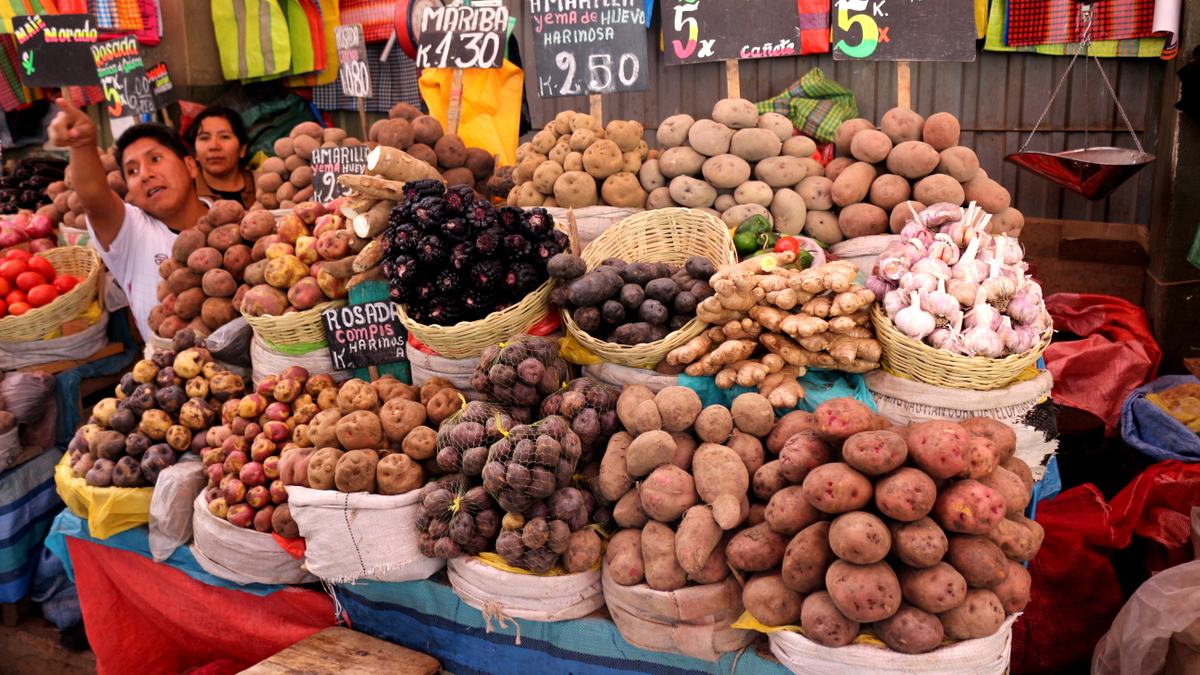
Take time to learn the story of ingredients. Peru’s diversity of native potatoes, maize and grains is part of a living agricultural tradition, not simply a culinary novelty. Buying from responsible local food businesses can be meaningful, but local identity does not eliminate the need for safe preparation. Travelers should be curious about ingredients and respectful of staff, especially when asking for substitutions.
If a restaurant cannot accommodate a medical restriction, thank the team and choose a more suitable place. A trip can remain culturally rewarding without taking unnecessary medical risks. Food is an important part of the experience, but it should not become the reason someone cannot enjoy the rest of the journey.
Frequently asked questions about eating safely in Peru
Does a restaurant with excellent reviews guarantee safe food?
No. Reviews describe individual experiences and may not reflect current staff, suppliers or storage procedures. A good reputation is useful, but visitors should still consider water, cooking temperatures and their own vulnerabilities. Someone with a severe allergy needs explicit ingredient and cross-contact information, not simply high ratings.
Is Peruvian ceviche safe for every traveler?
No food is risk-free, and ceviche involves raw seafood. Citrus changes the fish’s flavor and texture but does not replace thorough cooking. A reputable establishment can reduce handling risks, yet pregnant or immunocompromised travelers and others advised to avoid raw seafood should follow individualized health guidance and choose cooked alternatives.
Can I eat fruit bought in a market?
Fruit can be a wonderful part of travel. When water quality and handling are uncertain, the CDC’s guidance favors produce that travelers can safely wash and peel themselves. Pre-cut fruit kept unrefrigerated and juices prepared with unknown water carry different risks. Choose the option that fits the actual conditions and personal health needs.
Is drinking coca tea a treatment for altitude sickness?
Coca tea is part of local custom, but it should not be presented as a proven treatment for dangerous altitude illness. Severe symptoms require proper assessment and response, including descent when medically appropriate. Travelers should discuss relevant medications and substance-screening implications with professionals rather than rely on traditional tea as a safety plan.
Can a tour prepare vegan meals at no extra cost?
Some published trips include vegan meals, and the terms of each product determine the included service. On the example Inca Trail package, the agency publicly lists vegan options. A separate private menu, specialist packaged substitutes or a dedicated preparation procedure may add costs. Request written confirmation of what is actually included.
Are food allergies more difficult in remote areas?
They can be, because ingredient choice, cold storage, separate preparation areas and access to emergency medical care may be limited. The solution is early discussion, clear written instructions, an approved personal backup supply and a realistic operator assessment. If a serious requirement cannot be supported, changing the program may be necessary.
Does travel insurance cover illness from food?
Some travel medical policies cover eligible treatment for unexpected gastrointestinal illness, subject to their exclusions, limits and evidence requirements. Coverage for unused tours or missed flights is a separate question. Read the actual contract and keep medical documents and receipts if treatment is needed.
What should I check again before a 2027 trip?
Confirm food and water arrangements, menu choices, kitchen feasibility for special diets, available medication supplies and the operator’s emergency plan. Prices and suppliers may change, but the core food-safety principles remain valuable. Travelers with serious allergies should seek personal medical advice and secure written confirmation before booking remote excursions.
Source notes and verification
General food-safety guidance is taken from the CDC Yellow Book’s Food and Water Precautions for Travelers and Peru’s DIGESA 2026 account of restaurant hygiene oversight. DIGESA’s food safety page lists applicable national food-safety regulations. Machu Picchu Team’s published Inca Trail itinerary is the source for the operator’s listed kitchen arrangements and dietary choices. This article does not certify any named kitchen, promise zero allergen cross-contact, or replace personal medical advice. Ask providers to confirm actual ingredient and water arrangements for 2027 departures.