
Hiking the Inca Trail to Machu Picchu is one of the great treks of the world: about 42 km of original Inca stone paths, more than a dozen Inca sites, a pass at 4,215 m, cloud forest and, on the last morning, your first view of Machu Picchu from the Sun Gate. This guide covers everything you need to know before hiking the Inca Trail: routes, permits, day-by-day itinerary, difficulty, best time, prices and what to pack.
Hiking the Inca Trail at a glance
| Classic route | Km 82 (Piscacucho) to Machu Picchu, about 42 km in 4 days and 3 nights of camping |
| Highest point | Warmiwañusca (Dead Woman’s Pass), 4,215 m |
| Difficulty | Moderate to challenging |
| Permits | About 500 a day (hikers, guides and porters); only through licensed operators |
| Closed | Every February, for maintenance |
| Best time | April to October (dry season); May and September are ideal |
| Price | From USD 740 (4 days) or USD 510 (2 days) with Machu Picchu Team |
Is the Inca Trail worth it?
Yes. The Inca Trail is the only way to arrive at Machu Picchu on foot through the Sun Gate (Inti Punku), as the Incas did. On the way you pass Inca sites that you can only see on the trail, such as Runkurakay, Sayacmarca, Phuyupatamarca and Wiñay Wayna, and you cross several ecosystems, from dry Andean valleys to high grassland and orchid-filled cloud forest. The trail is part of the Historic Sanctuary of Machu Picchu, a UNESCO World Heritage Site, and is home to more than 400 bird species. Read more about Inca Trail wildlife.
Inca Trail routes: which one to choose
| Route | Days | Distance | Sleep | From |
|---|---|---|---|---|
| Classic Inca Trail | 4 | About 42 km | 3 nights camping | USD 740 |
| Short Inca Trail | 2 | About 12 km from Km 104 | Hotel in Aguas Calientes | USD 510 |
| Inca Trail 1 Day | 1 | About 12 km from Km 104 | No overnight | USD 400 |
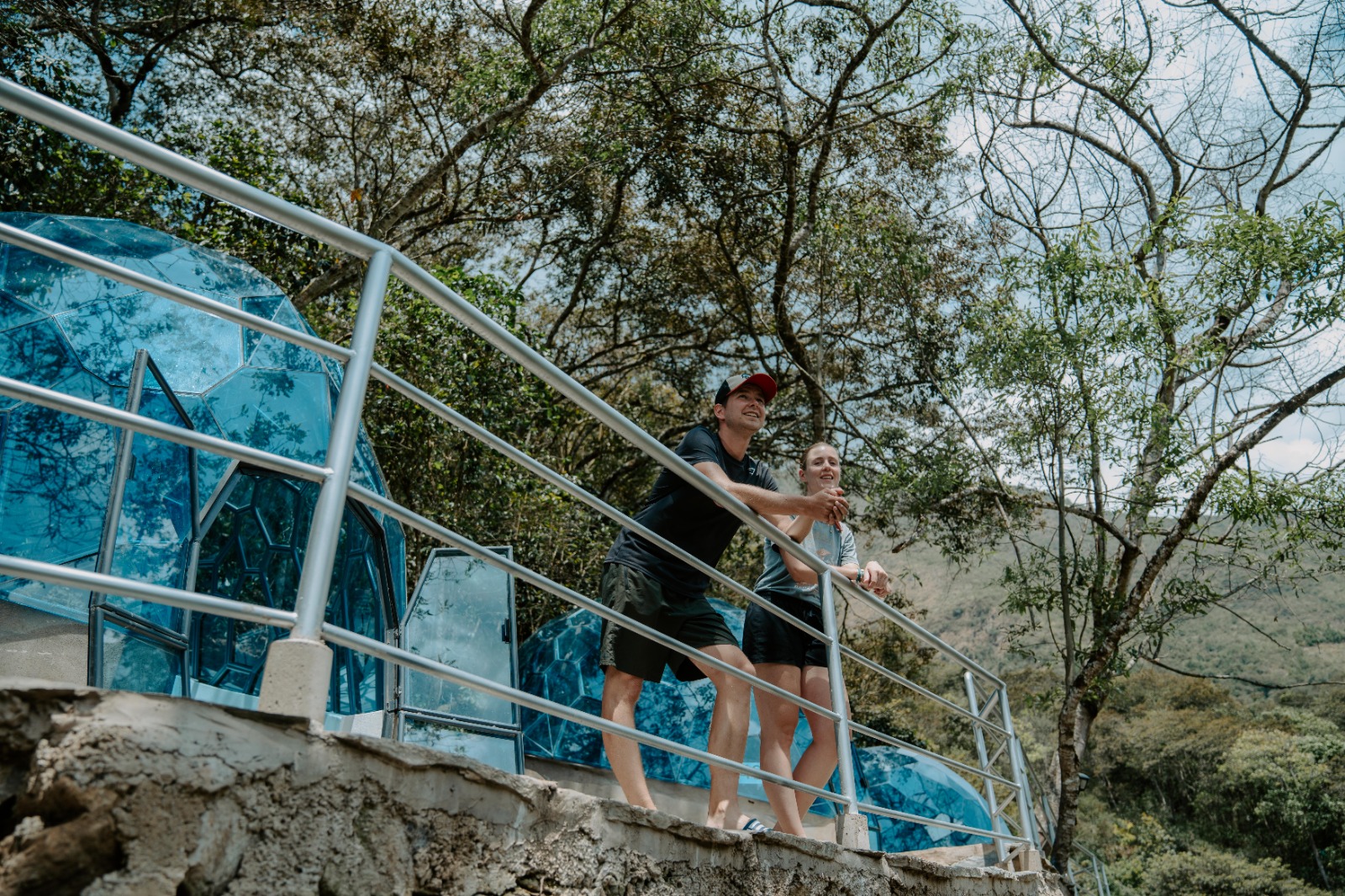
| Salkantay and Inca Trail | 6 | About 80 km | Domes and camping | USD 1,150 |
The classic route is for fit hikers who want the full experience. The short Inca Trail is ideal if you have little time or prefer a hotel bed. See all options on our Inca Trail page.
Classic Inca Trail itinerary, day by day
Day 1: Km 82 – Wayllabamba area (about 12 km)
Early pickup in Cusco and drive to Km 82 (Piscacucho), where your permit and passport are checked. A gentle first day along the Urubamba River, with views of the Inca site of Llactapata, to the first campsite.
Day 2: Dead Woman’s Pass – Pacaymayo (about 12 km)
The hardest day: a long climb of more than 1,000 m to Warmiwañusca (4,215 m), the highest point, then a steep descent of stone steps to the Pacaymayo valley.
Day 3: Runkurakay – Wiñay Wayna (about 16 km)
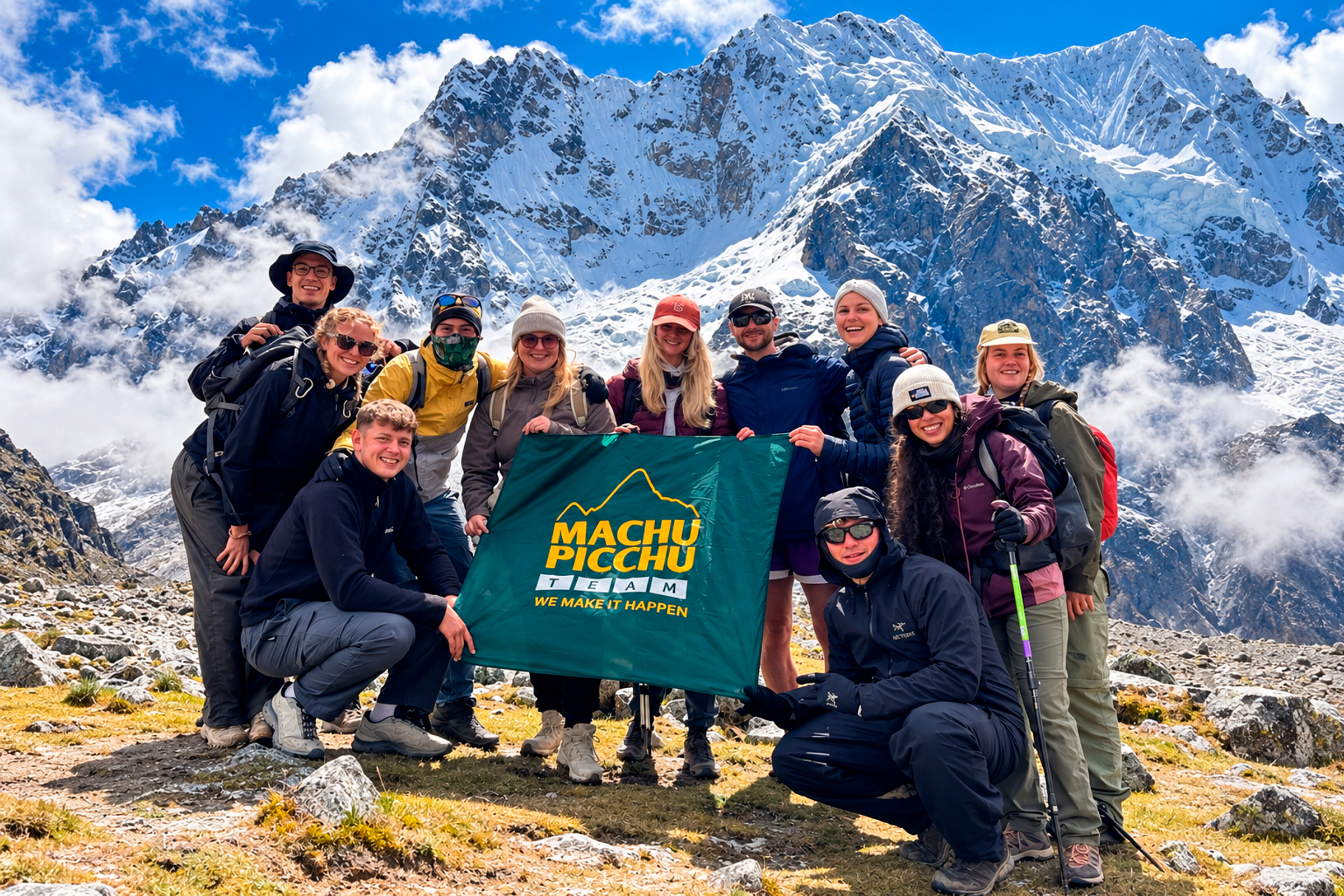
The most beautiful day: a second pass, the Inca sites of Runkurakay, Sayacmarca, Phuyupatamarca and Intipata, and long stretches of original Inca path through cloud forest. You camp near Wiñay Wayna, one of the most impressive sites on the trail.
Day 4: Sun Gate – Machu Picchu (about 5 km)
A very early start to reach the Sun Gate at sunrise, with the first view over Machu Picchu. Guided tour of the citadel, then bus to Aguas Calientes and train back to Cusco.
Inca Trail permits: book early
- Only about 500 people can start the trail each day, and only around 200 of them are hikers; the rest are guides, cooks and porters.
- Permits are sold only to licensed tour operators, with your name and passport number, and cannot be changed or transferred.
- From April to October they often sell out 4 to 6 months ahead. Check our Inca Trail availability.
- The trail closes every February for maintenance.
Read our full guide to Machu Picchu permits.
How hard is hiking the Inca Trail?
It is moderate to challenging. The distance per day is not long, but you walk at altitude, up and down thousands of uneven stone steps. Day 2 is the hardest. Most reasonably fit people complete it, including older hikers and teenagers, if they prepare:
- Spend at least 2 days in Cusco or the Sacred Valley to acclimatize. Read our guide to altitude sickness in Cusco.
- Train with hikes and stairs for a few weeks before your trip; see how to physically prepare for Peru.
- Use trekking poles; they help a lot on the descents.
Best time for hiking the Inca Trail
- April to October (dry season): clearer skies and drier trails; cold nights, especially from June to August. Permits sell out fastest.
- May and September: often the best balance of weather and crowds.
- November to March (rainy season): more rain and clouds, but greener and quieter. The trail is closed in February.
What is included and what to pack
On our Inca Trail tours, the permit, Machu Picchu entrance, transport, guide, porters, cook, meals, tents and train back are organized for you. Porters carry the tents, kitchen and food; you carry a daypack. Read what life on the trail is like in Inca Trail logistics and see the full list in what to bring for the Inca Trail. The essentials:
- Original passport (the same used for the permit)
- Broken-in hiking boots and trekking poles with rubber tips
- Warm sleeping bag (rental available) and warm layers
- Rain jacket, sun protection and insect repellent
- Headlamp, reusable water bottle and cash in soles for tips
Rules for hiking the Inca Trail
- You must hike with a licensed operator and an official guide; independent hiking is not allowed.
- Single-use plastic is restricted in the sanctuary, and drones are not allowed.
- Do not leave the trail, take stones or plants, or leave rubbish.
- At Machu Picchu, the normal Machu Picchu rules apply.
No permit? Alternatives to the Inca Trail
If permits are sold out, the Salkantay Trek needs no permit and also ends at Machu Picchu. For other routes, see hiking options near Machu Picchu.
FAQs about hiking the Inca Trail
How long is the Inca Trail?
The classic route is about 42 km in 4 days. The short Inca Trail is about 12 km.
Can I hike the Inca Trail without a guide?
No. Since 2001, all hikers must go with a licensed operator and an official guide.
How far in advance should I book the Inca Trail?
For April to October, 4 to 6 months ahead. For other months, at least 2 to 3 months.
What is the highest point of the Inca Trail?
Warmiwañusca, or Dead Woman’s Pass, at 4,215 m.
Is the Inca Trail open all year?
Every month except February, when it closes for maintenance.
How much does the Inca Trail cost?
With Machu Picchu Team, from USD 740 for the classic 4-day route and from USD 510 for the 2-day short Inca Trail.