
The Inca Trail elevation gain depends on the route you choose. The Classic Inca Trail climbs about 2,100 m (6,900 ft) in four days and crosses Dead Woman’s Pass at 4,215 m (13,830 ft), its highest point. The Short Inca Trail climbs only about 600 m in one day.
This guide from Machu Picchu Team, a local tour operator in Cusco, gives you the altitude, distance and elevation gain for each day, so you know what to expect and how to prepare.
Inca Trail Elevation Gain: Quick Facts
| Route | Distance | Elevation gain | Highest point |
|---|---|---|---|
| Classic Inca Trail 4 Days | About 42 km (26 mi) | About 2,100 m (6,900 ft) | Dead Woman’s Pass, 4,215 m (13,830 ft) |
| Short Inca Trail 2 Days | About 12 km (7.5 mi) | About 600 m (1,970 ft) | Sun Gate, 2,720 m (8,920 ft) |
On the classic route you also go down about 2,350 m (7,700 ft) in total, so your knees work as hard as your lungs. Figures are approximate: GPS readings vary by a few meters.
Inca Trail 4 Days: Elevation Gain Day by Day
| Day | Route | Distance | Up / down | Hiking time |
|---|---|---|---|---|
| Day 1 | Km 82 (2,700 m) → Wayllabamba (3,000 m) | About 12 km | +400 m / −100 m | 5 to 6 hours |
| Day 2 | Wayllabamba → Dead Woman’s Pass (4,215 m) → Pacaymayo (3,600 m) | About 11 km | +1,200 m / −600 m | 6 to 7 hours |
| Day 3 | Pacaymayo → Runkurakay Pass (about 3,950 m) → Phuyupatamarca → Wiñay Wayna (2,650 m) | About 16 km | +400 m / −1,350 m | 8 to 9 hours |
| Day 4 | Wiñay Wayna → Sun Gate (2,720 m) → Machu Picchu (2,430 m) | About 6 km | +100 m / −300 m | 2 to 3 hours |
Campsites can change slightly depending on the permits and the group, but the passes and the total elevation gain are the same.
Day 1: Km 82 to Wayllabamba, the Warm-Up
After an early drive from Cusco through Ollantaytambo, the trek starts at the Km 82 checkpoint (Piskacucho), at about 2,700 m (8,860 ft). The trail follows the Urubamba River with gentle ups and downs and passes the Inca site of Patallacta (Llactapata). The last section climbs to Wayllabamba, at about 3,000 m (9,840 ft). It is the easiest day: about 400 m of climbing.
- Start: Km 82, 2,700 m (8,860 ft)
- End: Wayllabamba, 3,000 m (9,840 ft)
- Elevation gain: about 400 m (1,310 ft)
Day 2: Dead Woman’s Pass, the Hardest Day
This day accounts for more than half of the total Inca Trail elevation gain. From Wayllabamba you climb steadily, through cloud forest and then open puna grassland, to Warmiwañusca or Dead Woman’s Pass, at 4,215 m (13,830 ft). It is a climb of about 1,200 m (3,940 ft) on stone steps. Start early, go slowly and drink often. From the pass, a steep descent of about 600 m leads to the Pacaymayo campsite, at about 3,600 m (11,810 ft).
- Start: Wayllabamba, 3,000 m (9,840 ft)
- Highest point: Dead Woman’s Pass, 4,215 m (13,830 ft)
- End: Pacaymayo, 3,600 m (11,810 ft)
- Elevation gain: about 1,200 m (3,940 ft)
Day 3: Runkurakay Pass and the Long Descent
The longest day, and the most beautiful. A climb of about 1 hour leads to the Runkurakay ruins and the second pass, at about 3,950 m (12,960 ft). Then the trail visits Sayacmarca and Phuyupatamarca (about 3,650 m), and starts a long descent on Inca steps to Wiñay Wayna, at about 2,650 m (8,690 ft). You climb only about 400 m, but you go down about 1,350 m: trekking poles help a lot.
- Start: Pacaymayo, 3,600 m (11,810 ft)
- Highest point: Runkurakay Pass, about 3,950 m (12,960 ft)
- End: Wiñay Wayna, 2,650 m (8,690 ft)
- Elevation gain: about 400 m (1,310 ft); descent about 1,350 m (4,430 ft)
Day 4: The Sun Gate and Machu Picchu
After a very early start, a short walk with a last steep flight of steps leads to the Sun Gate (Inti Punku), at about 2,720 m (8,920 ft), with the first view of the citadel. From there you walk down to Machu Picchu, at about 2,430 m (7,970 ft), for a guided tour. Afterwards, you take the bus down to Aguas Calientes and the train back.
- Start: Wiñay Wayna, 2,650 m (8,690 ft)
- Highest point: Sun Gate, 2,720 m (8,920 ft)
- End: Machu Picchu, 2,430 m (7,970 ft)
- Elevation gain: about 100 m (330 ft)
See the full itinerary, prices and what is included on the Inca Trail 4 Days page (from USD 740).
Short Inca Trail 2 Days: Elevation Gain
The Short Inca Trail starts at Km 104 (Chachabamba), at about 2,150 m (7,050 ft). The trail climbs to Wiñay Wayna (2,650 m) and the Sun Gate (2,720 m), about 600 m of climbing in 12 km and 6 to 7 hours. You sleep in Aguas Calientes and tour Machu Picchu on day 2. It is a good choice if you have little time or prefer a lower altitude. See the Short Inca Trail 2 Days (from USD 510).
How to Prepare for the Inca Trail Elevation Gain
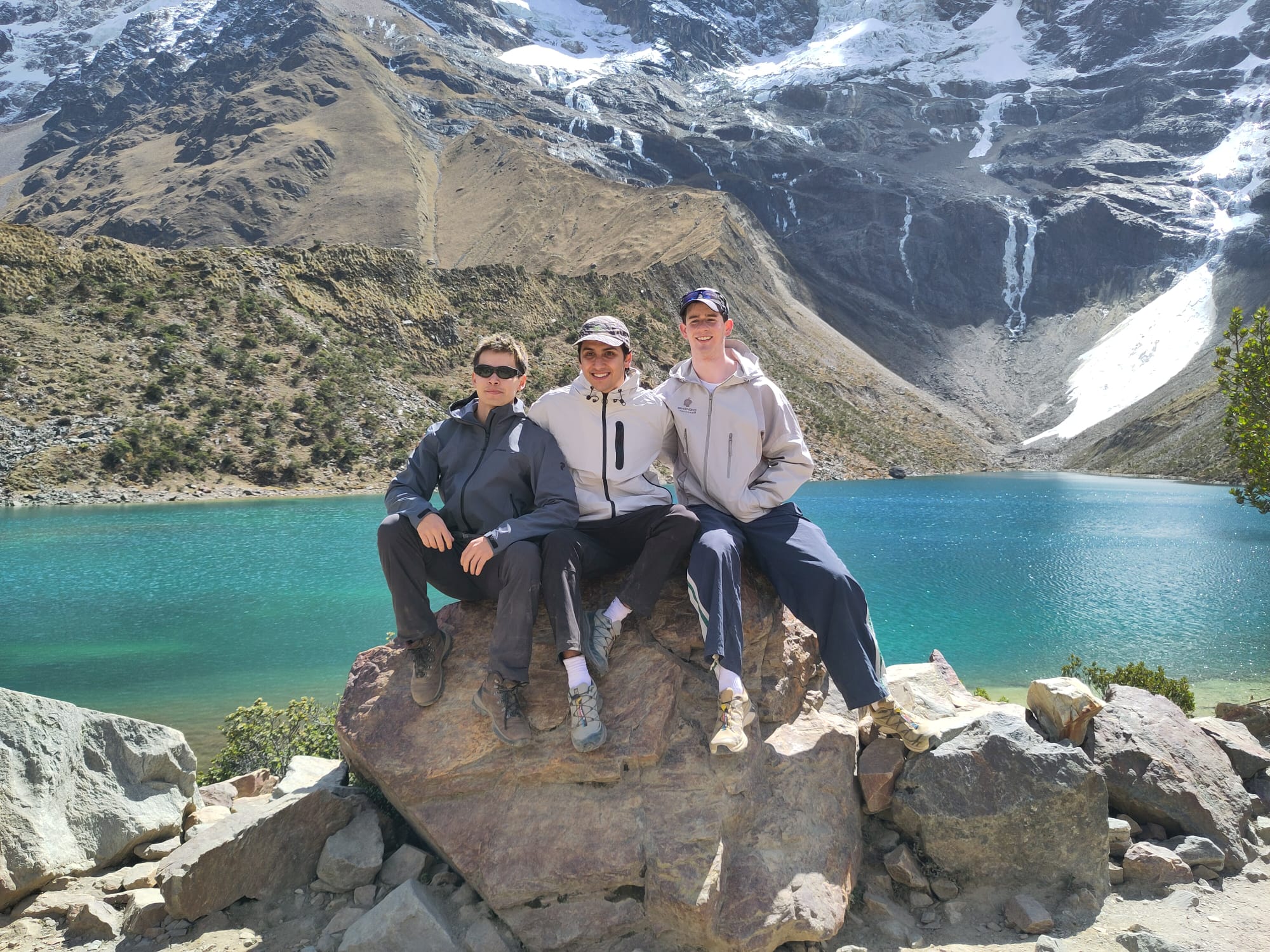
- Acclimatize: spend at least 2 days in Cusco (3,400 m) before the trek. A day in the Sacred Valley or a hike such as Humantay Lake helps. Read our guide to altitude sickness in Cusco.
- Train before you go: stairs, hills and long walks with a daypack are the best training. See how to physically prepare for Peru.
- Use trekking poles: they protect your knees on the long descents of days 2 and 3.
- Hike at your own pace: the guides adjust to the group, and porters carry the tents and food.
- Pack light and warm: nights at Pacaymayo are cold. See the packing list.
Permits are limited and the trail closes every February. Check Inca Trail availability early, and read our tips to visit Cusco. If the Inca Trail is sold out, the Salkantay Trek is the best alternative.
FAQs: Inca Trail Elevation Gain
What is the total elevation gain of the Inca Trail?
About 2,100 m (6,900 ft) of climbing on the 4-day Classic Inca Trail, and about 2,350 m (7,700 ft) of descent. The Short Inca Trail climbs about 600 m.
What is the highest point of the Inca Trail?
Dead Woman’s Pass (Warmiwañusca), at 4,215 m (13,830 ft), reached on day 2.
Which is the hardest day of the Inca Trail?
Day 2, with a climb of about 1,200 m to Dead Woman’s Pass. Day 3 is the longest, with a long descent.
Is the Inca Trail higher than Machu Picchu?
Yes. Machu Picchu is at about 2,430 m, while the trail reaches 4,215 m. That is why you should acclimatize in Cusco first.
Is the Inca Trail elevation gain hard for beginners?
It is a moderate to challenging trek. Most people with average fitness complete it if they acclimatize and walk at a steady pace.