
Is the Salkantay Trek worth it? For most hikers, yes. In a few days you go from the glaciers of the Salkantay mountain (about 6,270 m) to the cloud forest and the coffee valleys near Machu Picchu, with Humantay Lake, an Inca trail and a view of the citadel along the way. There is no permit to wait for, departures run all year and the trails are quieter than the Inca Trail. Here are 7 reasons why travelers find the Salkantay Trek worth it, plus who it is not for.
Is the Salkantay Trek worth it? 7 reasons
1. The most varied scenery of any trek to Machu Picchu
No other route changes so much. You start in high Andean valleys with grazing llamas, climb to the Salkantay Pass at 4,630 m beside the mountain’s glaciers, and then descend into the cloud forest, with orchids, waterfalls, banana and coffee plantations, and finally the warm valley of the Urubamba River. Each day feels like a different country.
2. Humantay Lake
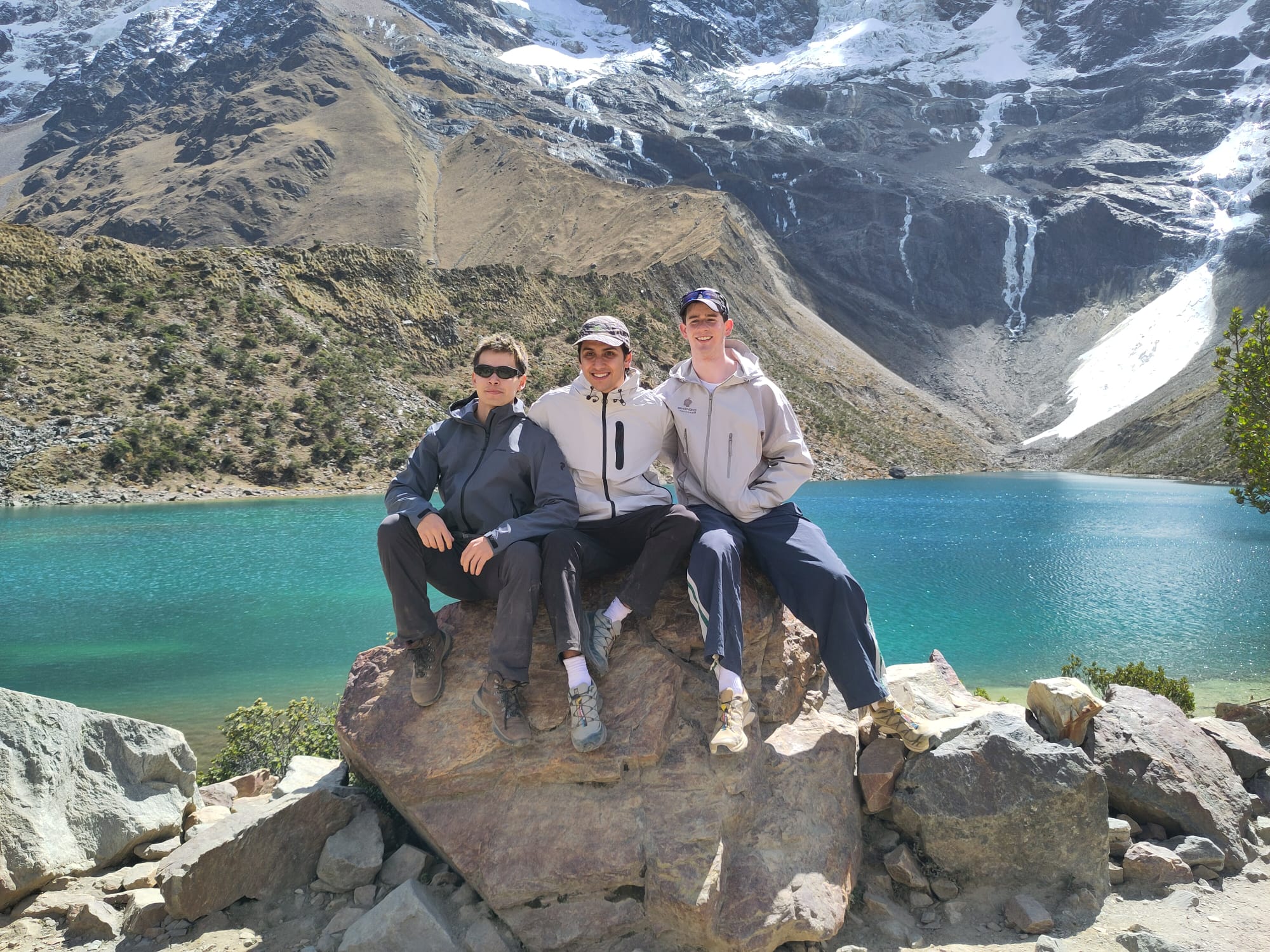
On the first day of our longer treks you hike up to Humantay Lake (about 4,200 m), a turquoise glacial lake below the snow-capped Humantay peak. It is one of the most photographed places in the Cusco region. If you only have one day, you can also visit it on the Humantay Lake Full Day Tour.
3. The Salkantay Pass
Crossing the pass at 4,630 m, at the foot of the sacred Apu Salkantay, is the highlight of the trek. The climb is hard, but the view of the glaciers and the feeling of standing higher than any point on the Inca Trail make it unforgettable. Local guides often stop here for a short offering to the mountain, a tradition still alive in the Andes.
4. Llactapata and your first view of Machu Picchu
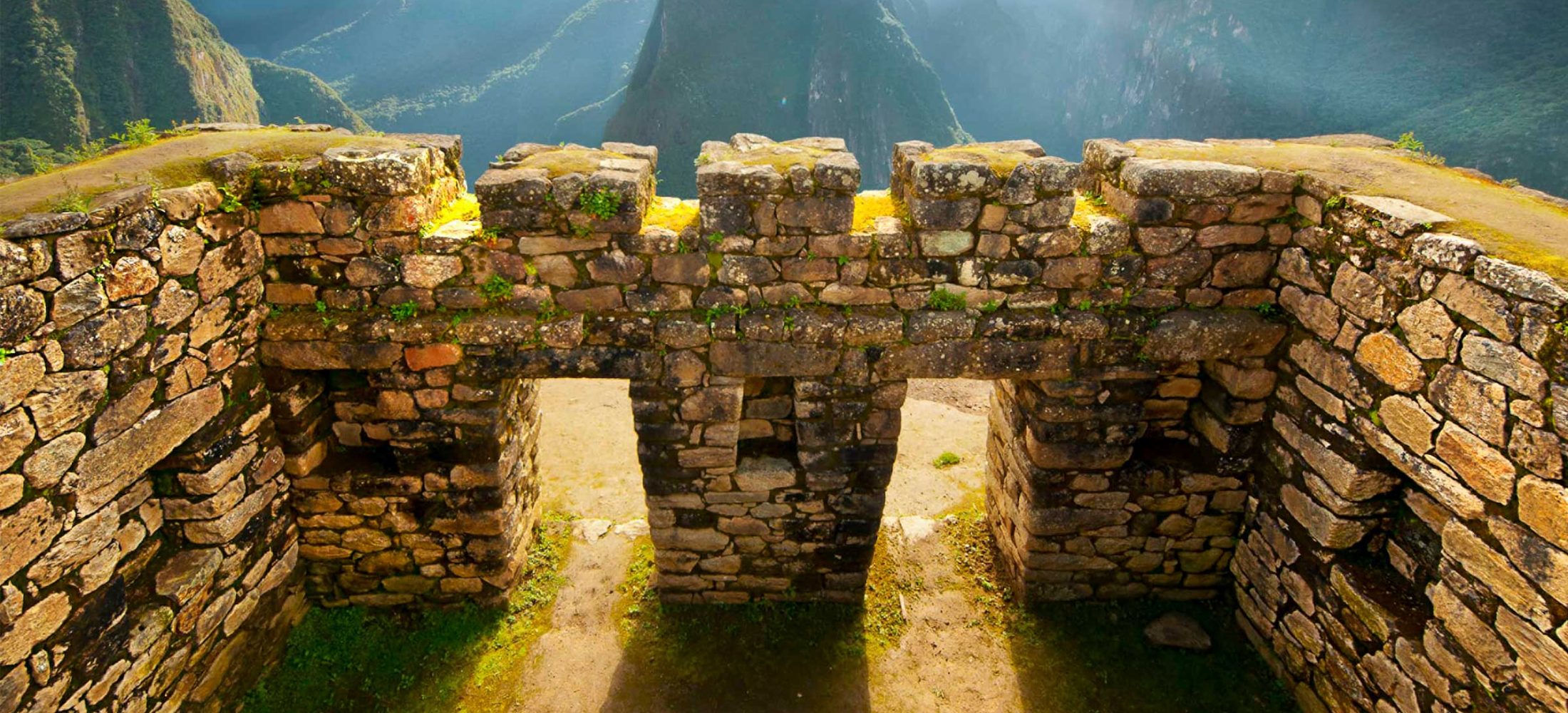
Most versions of the trek follow part of the Llactapata Inca trail. At the Inca site of Llactapata you see Machu Picchu and Huayna Picchu from across the valley, a view few visitors ever have, before you walk down to Hidroeléctrica and on to Aguas Calientes. On the last day you visit Machu Picchu with a guide.
5. No permit and departures every day
The Inca Trail needs a permit, limited to 500 people a day including guides and porters, and closes every February. The Salkantay Trek needs no permit, so you can book a few weeks ahead and depart any day of the year, including February. It is the best choice when Inca Trail permits are sold out.
6. Fewer crowds and local culture
The Salkantay route is popular, but the trails and campsites are much quieter than on the Inca Trail. Along the way you pass small farming communities, eat Andean dishes prepared by your trek cook and, on the 5-day trek, visit a family coffee farm to see how coffee is grown, roasted and brewed.
7. Comfort at a fair price
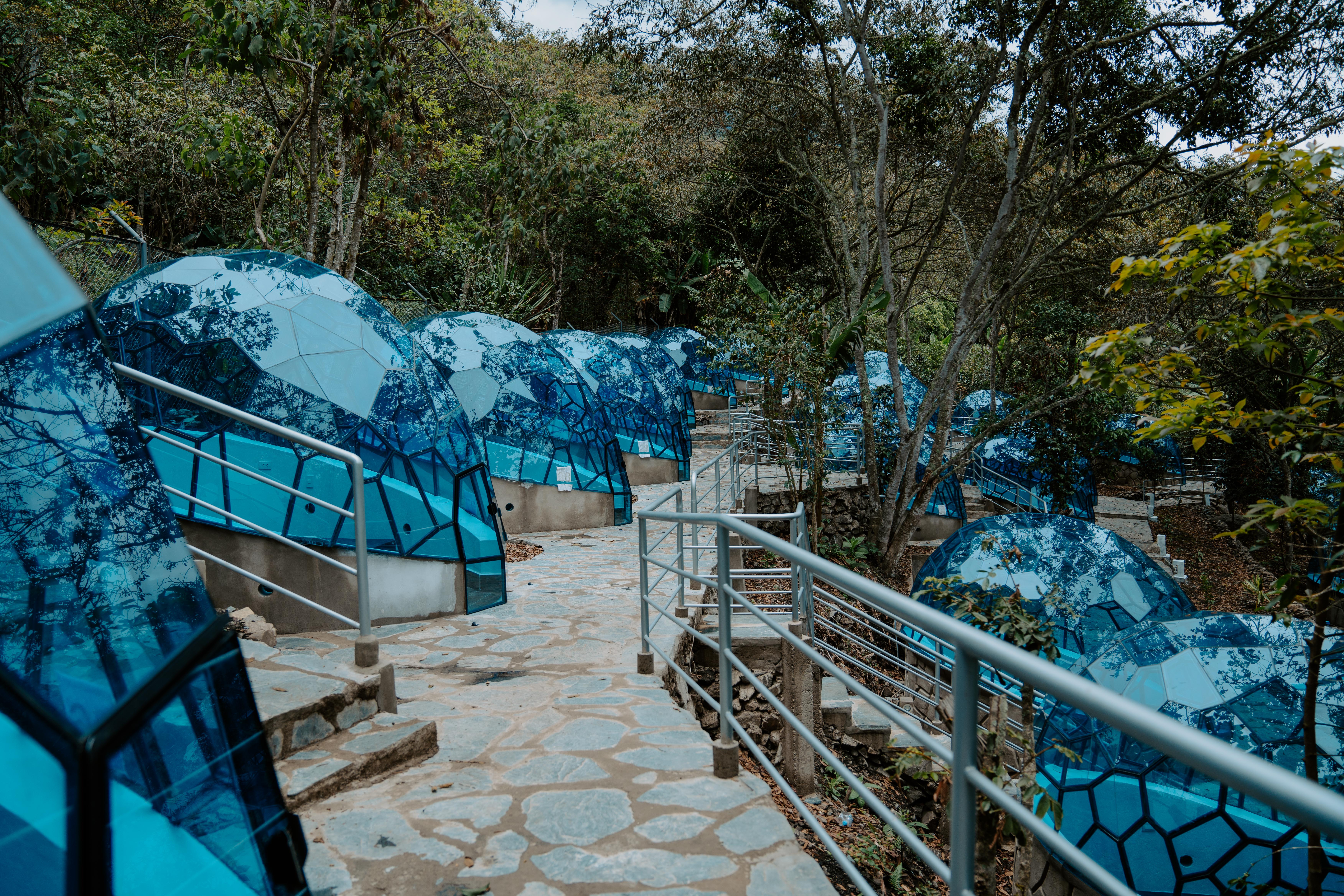
Without a permit, the Salkantay Trek costs less than the Inca Trail. With us, you sleep in our own Sky Star Domes, glass-roofed domes for watching the stars, in private campsites, and on the 5-day trek you also relax in the Santa Teresa (Cocalmayo) hot springs. Compare the Inca Trail 4 Days (from USD 740) with our Salkantay options below.
Is the Salkantay Trek worth it for you?
You will find the Salkantay Trek worth it if you:
- are reasonably fit and enjoy long hiking days (6 to 8 hours);
- want mountain scenery more than Inca ruins;
- could not get Inca Trail permits, or travel in February;
- prefer quieter trails and a lower price.
You may not find the Salkantay Trek worth it if you:
- want to walk into Machu Picchu through the Sun Gate (choose the Inca Trail);
- have problems with altitude or cannot spend at least two days in Cusco first;
- want Inca ruins every day of the hike.
Not sure which route suits you? Read our comparison of the best hiking route to Machu Picchu.
Salkantay Trek vs Inca Trail
| Salkantay Trek | Inca Trail | |
|---|---|---|
| Highest point | 4,630 m | 4,215 m |
| Permit | Not needed | Required; sells out |
| February | Open | Closed |
| Highlights | Glaciers, Humantay Lake, cloud forest, Llactapata | Inca sites, Sun Gate arrival |
| Price | Lower | Higher (permit and porters) |
Choose your Salkantay Trek
- Salkantay Trek 5 Days: the classic pace, with a coffee farm and hot springs.
- Salkantay Trek 4 Days: all the highlights in less time.
- Salkantay Trek 3 Days: for fit, experienced hikers.
- Salkantay Trek 2 Days (from USD 160): the pass and Humantay Lake, without Machu Picchu.
See all the options on our Salkantay Trek page. Before you go, read our tips on altitude sickness in Cusco. The trail crosses the Vilcabamba range, an area of high biodiversity described by SERNANP, Peru’s protected areas service.
FAQs: is the Salkantay Trek worth it?
Is the Salkantay Trek worth it compared with the Inca Trail?
Yes, if you prefer mountain scenery, fewer crowds and flexible dates. The Inca Trail is better for Inca ruins and the Sun Gate arrival.
How hard is the Salkantay Trek?
It is challenging. The second day climbs to 4,630 m and is long, but people of average fitness who acclimatize in Cusco for two days usually complete it.
What is the best time to do the Salkantay Trek?
May to September, the dry season, has the clearest views. It runs all year, but expect rain and mud from November to March.
Do I need a permit for the Salkantay Trek?
No. You only need your Machu Picchu entrance ticket, which is included in our treks to Machu Picchu.
How many days do I need?
Four or five days is ideal. Three days is possible for strong hikers, and the 2-day trek covers the pass and Humantay Lake only.