
Huchuy Qosqo (“Little Cusco” in Quechua) is an Inca site on a high plateau about 800 m above the Sacred Valley, near the town of Lamay, at about 3,650 m. There is no road to it, so the only way in is on foot, along an original Inca trail from the heights of Chinchero or up a steep path from Lamay. This guide explains the history of Huchuy Qosqo, the hiking routes, difficulty, entrance, best time to go and how to visit it on a tour from Cusco.
Huchuy Qosqo at a glance
| Location | Above Lamay, between Chinchero and Calca, Sacred Valley |
| Altitude | About 3,650 m (12,000 ft) |
| Highest point of the trek | A pass of about 4,300 m on the route from Chinchero |
| Distance | About 17 to 20 km from the Chinchero side, ending in Lamay |
| Hiking time | About 6 to 8 hours with stops |
| Difficulty | Moderate to challenging |
| Access | Only on foot; small entrance fee in soles paid on site |
| Best time | April to October |
The history of Huchuy Qosqo
Spanish chroniclers link the site to the Inca Viracocha, the eighth Inca ruler. According to their accounts, Viracocha withdrew to this site when the Chankas attacked Cusco, around 1438. His son Pachacutec defended the city, defeated the Chankas and became the ruler who turned the Inca state into an empire, while Viracocha spent his last years here.
The site was a royal estate, with buildings for the Inca’s family and court, storehouses, terraces and water channels. Its old name may have been Caquia Xaquixaguana; its current name, “Little Cusco”, came later.
What to see at Huchuy Qosqo
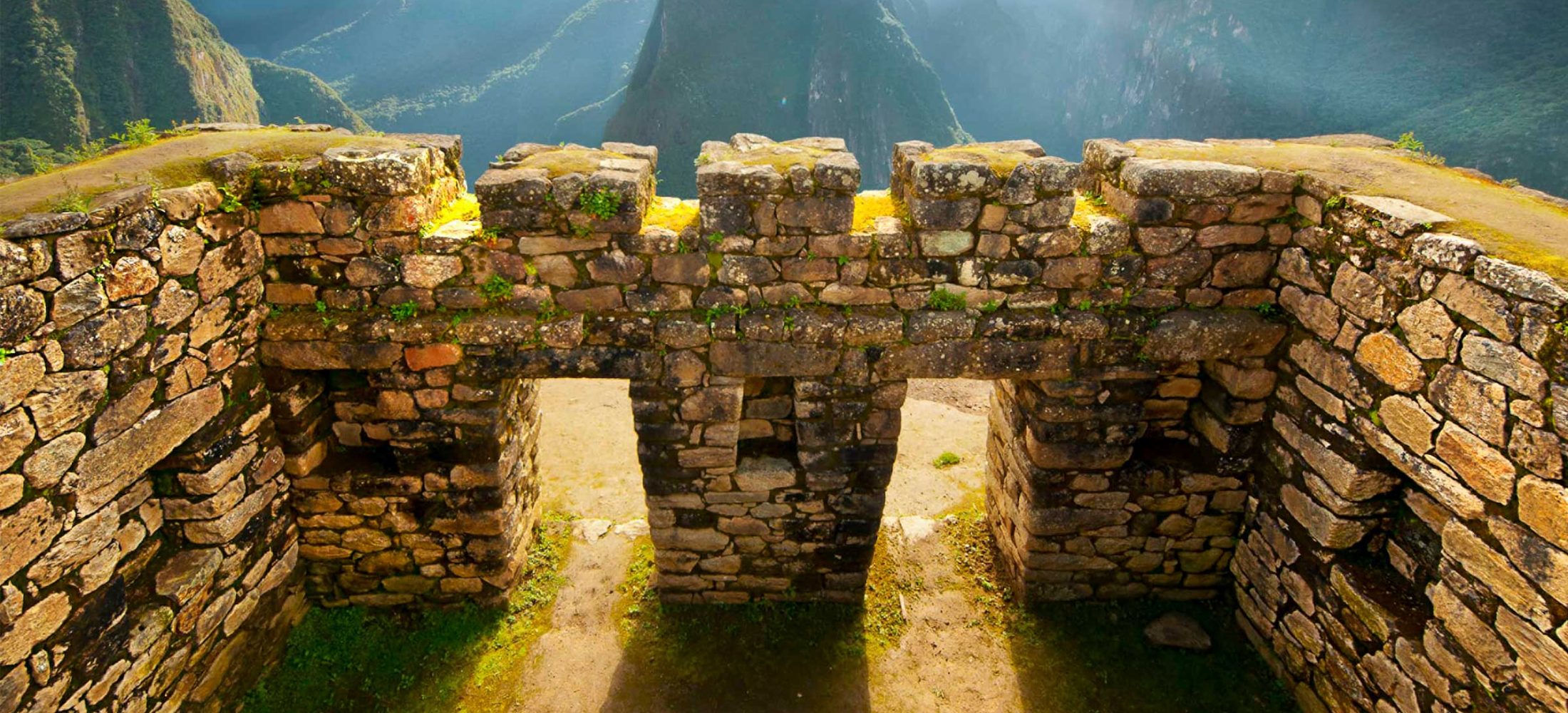
- The kallanka: a long great hall used for gatherings and ceremonies, one of the largest buildings of the site.
- Two-story buildings: walls with a stone base and adobe (mud brick) upper parts, rare survivors of Inca adobe architecture, with the holes for wooden beams still visible.
- Terraces and canals: wide agricultural terraces and a stone water channel that brought water from the mountains.
- The view: the Sacred Valley below, with Calca, Lamay and the snow-capped Pitusiray and Urubamba range in front.
Because it is only reached on foot, the site gets very few visitors, and you often have the site almost to yourself.
How to hike to Huchuy Qosqo
From the Chinchero side (classic route)
The most popular route starts above Chinchero, near the Piuray lagoon area. The trail climbs gently across high grassland to a pass of about 4,300 m, then follows a well-preserved stretch of Inca road through a narrow gorge down to the site. After the visit, a steep descent of about 2 hours takes you down to Lamay, in the Sacred Valley, where transport waits to take you back to Cusco.
From Lamay (short but steep)
A shorter path of about 5 km climbs straight up from Lamay to the site, gaining about 800 m. It takes about 2 to 3 hours up. It is shorter but very steep, and you return the same way.
Huchuy Qosqo to Machu Picchu
The hike can also be the first day of a short trek to Machu Picchu: after the hike, you take the train to Aguas Calientes and visit Machu Picchu the next day.
How hard is the hike?
It is moderate to challenging. The first part is high, with a pass of about 4,300 m, and the descent to Lamay is long and hard on the knees. You do not need trekking experience, but you should be fit and acclimatized: spend at least 2 days in Cusco first and read our guide to altitude sickness in Cusco. Trekking poles help a lot on the way down.
Huchuy Qosqo tours from Cusco
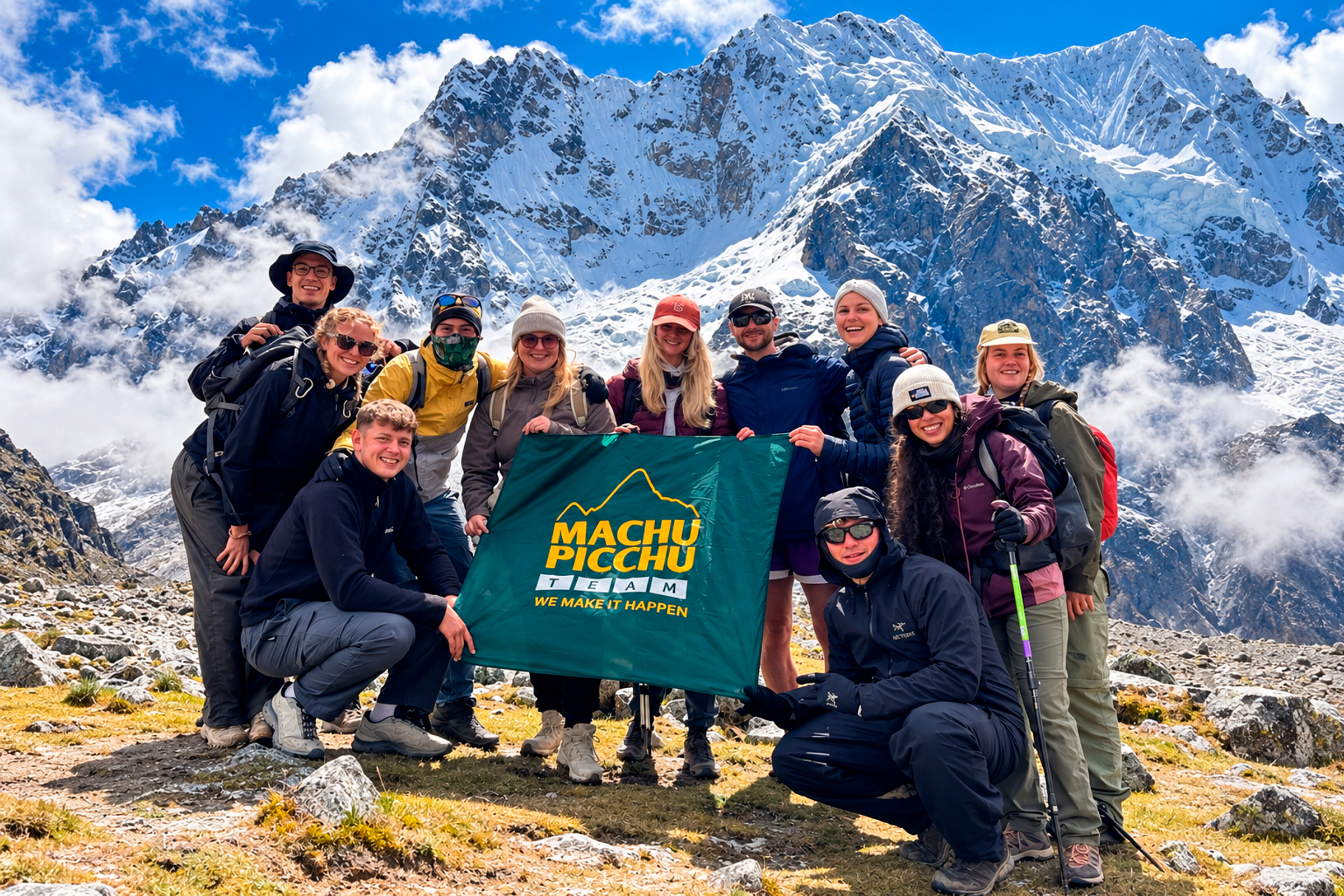
- Huchuy Qosqo Trek Full Day (from USD 70): transport, guide, lunch and trekking poles, in a small group. The site entrance is paid separately in soles.
- Huchuy Qosqo Trek to Machu Picchu 2 Days (from USD 230 for students, USD 250 for adults): the trek, the train to Aguas Calientes, a hotel night and a guided visit of Machu Picchu.
Compare it with other ways to walk to Machu Picchu, such as the Short Inca Trail 2 Days (from USD 510), or explore the valley on our Sacred Valley Tour (from USD 23). See all our tours in Cusco.
Best time to visit Huchuy Qosqo
- April to October (dry season): clear skies and dry trails; very cold mornings at the pass from June to August.
- November to March (rainy season): green landscapes but muddy and slippery trails, especially on the descent to Lamay.
Check the forecast on SENAMHI, Peru’s national weather service.
What to bring
- Hiking shoes with good grip and trekking poles
- Warm layers for the pass and a light layer for the valley
- Rain jacket, sunscreen, sunglasses and a hat
- 2 liters of water and snacks
- Cash in small soles bills for the entrance and drinks
FAQs about Huchuy Qosqo
What does Huchuy Qosqo mean?
“Little Cusco” in Quechua.
Where is Huchuy Qosqo?
On a plateau above Lamay, in the Sacred Valley, between Chinchero and Calca, about 1 hour by road from Cusco to the start of the trail.
Can you drive to Huchuy Qosqo?
No. There is no road to the site; you can only reach it on foot.
How long is the hike to Huchuy Qosqo?
About 17 to 20 km from the Chinchero side to Lamay, or about 5 km each way on the steep path from Lamay.
Who built the site?
The Incas. Chroniclers link it to the Inca Viracocha, who lived here in the 15th century.
Is it included in the Cusco Tourist Ticket?
No. A small entrance fee in soles is paid at the site. See what the Cusco Tourist Ticket covers.