
Research and planning edition: November 14, 2026 | Guidance for travel in 2026 and 2027
A visitor who arrives at a high-Andean village may notice woven textiles drying in the sun, families carrying agricultural tools or neighbors speaking Quechua beside a communal meeting house. These are not displays arranged for tourists: they are parts of life that belong to the people living there. The best cultural visit begins by recognizing that distinction. Courtesy in the Andes cannot be reduced to a universal list of rituals. Communities differ by language, religion, livelihoods, local history and preferences, and an action welcomed in one household may feel intrusive in another. This guide focuses on practical respect: how to ask before taking photographs, understand hospitality, discuss money, visit sacred places, support textile makers and participate in community tourism without treating people as attractions. Advice reflects information available in November 2026 and should always yield to the wishes of actual hosts.
What should travelers know at a glance?
Listen first; ask permission before photographing people, homes, ceremonies or children; pay agreed fees fairly; respect private and sacred spaces; and let hosts decide what they wish to share. A few Quechua words can be appreciated when used humbly, but Spanish may be more practical and language preferences vary. Community tourism should be community-led rather than a script imposed by an outside operator. Peru approved a regulation for Law 31797 on community tourism in July 2026, emphasizing leadership and more sustainable management. No universal etiquette rule replaces local consent.
| Situation | Better approach | What to avoid |
|---|---|---|
| Portrait or video | Ask first and accept refusal | Photographing secretly or promising payment afterward |
| Family home | Follow host invitation and house rules | Entering rooms or opening cupboards uninvited |
| Traditional clothing | Ask about meaning and permitted participation | Treating dress as a costume for mockery |
| Ceremony or sacred space | Ask whether observation is welcome | Interrupting rituals or crossing boundaries |
| Craft purchase | Discuss price respectfully and pay fairly | Demanding extreme discounts for hours of work |
| Shared meal | Mention allergies early and thank the cook | Assuming refusal or dietary needs need no explanation |
| Community path | Use designated routes and respect crops | Walking through fields for a photograph |
What does respect look like before you enter a community?
Respect starts with the purpose of the visit. Are you attending a community-led demonstration, walking a public route, staying with a family or simply passing through? Those situations provide different degrees of invitation. A paid tour does not purchase access to every home, garden or personal conversation. Visitors should know which places are open and who has approved the itinerary.
Ask your organizer who the community hosts are, whether visits are scheduled by the association and whether a resident guide accompanies the group. In places with visitor fees, understand how and to whom they are paid. Communal work and family obligations may change a schedule with little notice. A respectful guest accepts that local life is not organized around a tourist bus.
Before arrival, ask whether photography, snacks, gifts, cash payments and clothing demonstrations are part of the program. Do not arrive with candy to give children or assume people will perform a ritual because a tour package describes Andean traditions. Stay with the local contact and let them establish the sequence of activities.
Two groups visit the same weaving village. One arrives unannounced and asks strangers to pose. The other meets a community host who has agreed to explain textile techniques in a designated workshop. The second group is not only more respectful; it will probably learn more.
Practical takeaway: An invitation to a specific activity is not permission to enter every aspect of village life.
How should you greet people and communicate across languages?
Spanish is widely used in Peru, but Quechua and Aymara remain important in many Andean communities, alongside local linguistic varieties. Some residents are fluent in several languages; others are more comfortable in one. There is no reason to guess a person’s language from clothing or appearance. A simple greeting, patient pace and genuine listening go further than theatrical phrases.
A useful way to interpret this is to think about the situation on the ground. Ask the guide which language is most appropriate. If you use Quechua expressions, verify their local meaning and pronunciation because dialects differ. Speak to adults directly when possible rather than directing every question to the guide as if residents are absent. Let interpreters work without constant interruption. Silence is not necessarily rejection; it may be time for translation or thought.
For an actual booking, the distinction matters. Avoid speaking more loudly as a substitute for translation. Use short questions, one idea at a time. If you need to communicate a dietary requirement or medical limitation, do so before the activity and confirm it was understood, rather than depending on gestures at the last moment.
A host explains why a potato variety grows on a particular slope. Rather than rushing to the next picture, a visitor asks one follow-up question, waits for the interpreter and learns how climate influences the harvest.
Practical takeaway: Let local hosts set the language and pace of conversation.
When is it appropriate to photograph people?
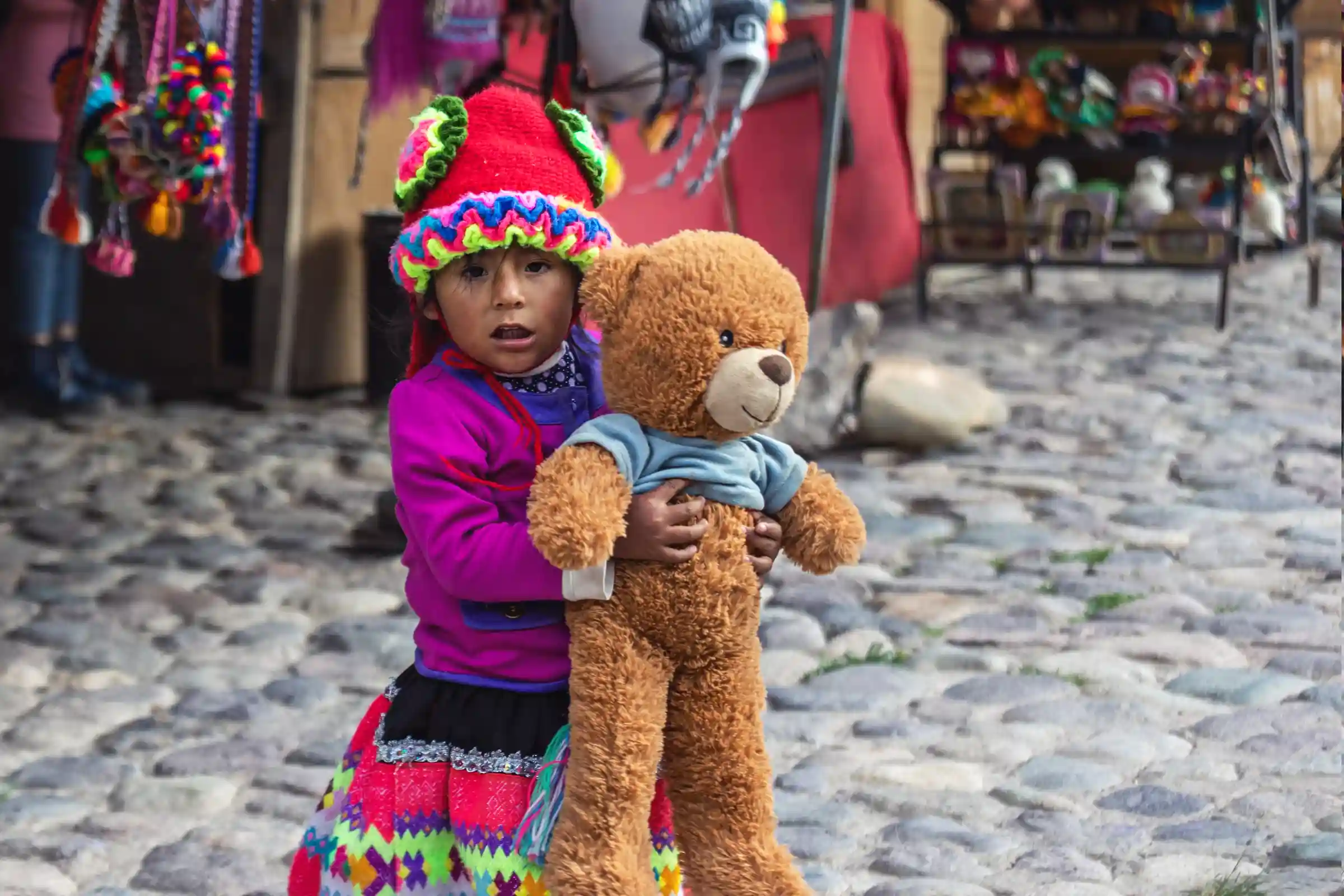
Photographing a person is a relationship, not simply a technical act. Ask clearly before taking a close portrait, recording a conversation or posting recognizable images online. Consent to one photograph is not automatic consent to video, commercial reuse or public tagging. Children require particular caution and the permission of a responsible adult where appropriate.
The practical detail is easy to miss. A guide may know which performers or artisans offer agreed photographic sessions, but it is still courteous to check. A person who declines does not owe an explanation. Do not place money in someone’s hand while suddenly lifting the camera; this creates pressure. If a photographic payment is an established part of a service, agree on the price before shooting.
It also changes how you should prepare. For professional photography, editorial filming, drone work or a commercial brand shoot, seek explicit rights and location permissions in writing. A casual tour fee does not convey model releases or licensing rights. Respect sacred objects, ceremonies, home interiors and children’s daily routines even when they are visible from a public street.
At a local market, a visitor sees an elder arranging vegetables in beautiful light. The respectful sequence is to greet, ask if a photograph is acceptable and accept the answer, rather than photographing from behind a stall and offering a coin afterward.
Practical takeaway: Permission should be freely given and specific to the intended use.
How can you visit a family home without being intrusive?
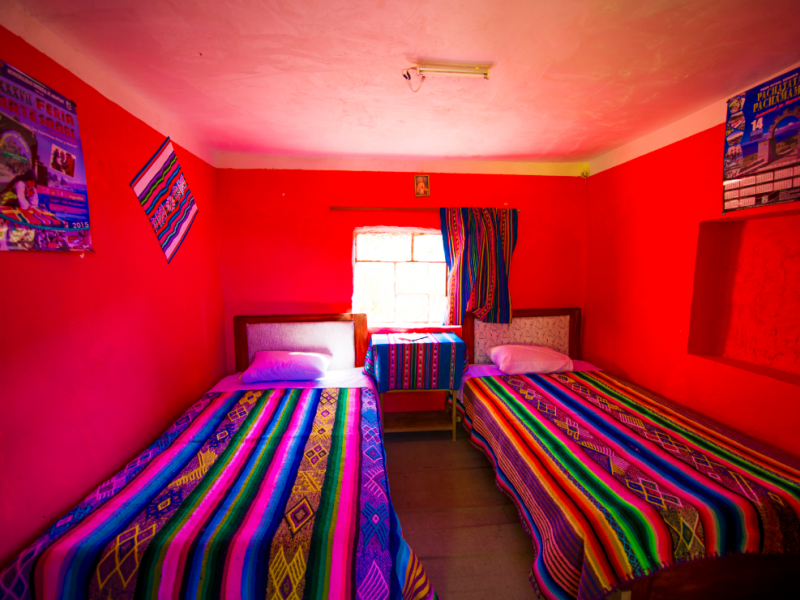
An Andean homestay is hospitality in a working household, not a hotel with standardized services. Rooms may be modest, heating limited and water systems different from city accommodation. Ask about toilets, bathing, bedding, electricity and charging before booking. Households differ; no single statement about “authentic homes” can describe every community.

There is another side to this decision. Follow the host’s lead about shoes, meal times, family areas and sleeping spaces. Keep belongings tidy, use water sensibly and avoid touching kitchen equipment or agricultural tools without permission. Ask before giving gifts to children or distributing medicines. Do not expect a family to share private beliefs, finances or personal stories in exchange for accommodation.
The sensible response is to plan for more than one outcome. Travelers with food allergies, mobility aids, children, medical needs or need for a private bathroom should discuss those requirements in advance. A thoughtful operator may identify a compatible household or suggest another type of stay. Honesty about facilities protects hosts from unreasonable expectations and travelers from avoidable discomfort.
A guest arrives late from a delayed bus and expects a full meal. A better approach is to alert the operator as soon as the delay occurs, ask whether supper can be adapted and avoid waking the household unnecessarily.
Practical takeaway: A homestay is a shared agreement with real household boundaries.
What is appropriate behavior around ceremonies and sacred places?
Andean communities include diverse religious practices, from Catholic traditions to Indigenous ceremonial customs and combinations of both. Sacred places may include churches, mountains, springs, burial grounds or specific landscape features. Visitors should not assume that a ceremony is a performance or that every sacred site is open to outsiders.
In everyday travel terms, this means something quite specific. If a community invites visitors to observe, follow the host’s instructions about standing, speaking, food, offerings, filming and participation. Do not copy a ritual from a short online video and stage it independently. Some rites involve knowledge or roles not meant for visitors. Respect also means not collecting stones, textiles, ceremonial objects or plants from the site.
Before committing money or time, check the operating conditions. Ask whether a ritual is part of the community-approved program or a paid imitation arranged without local involvement. If an activity feels like coercion or public exposure, you may decline courteously. The goal is understanding, not proving that you have completed a spiritual checklist.
A family invites a guest to attend a religious celebration but requests no photography during a key moment. The guest joins respectfully, keeps the camera away and learns more from the experience than from intrusive filming.
Practical takeaway: An invitation is specific; sacred activities remain under community control.
Why should travelers be thoughtful about traditional dress?
Clothing in the Andes may carry information about locality, craft traditions, identity or ceremonial roles. It can also be practical attire chosen for climate and daily work. Visitors should neither romanticize clothing as a timeless costume nor assume that everyone in a village dresses the same way. Meaning changes across places and generations.
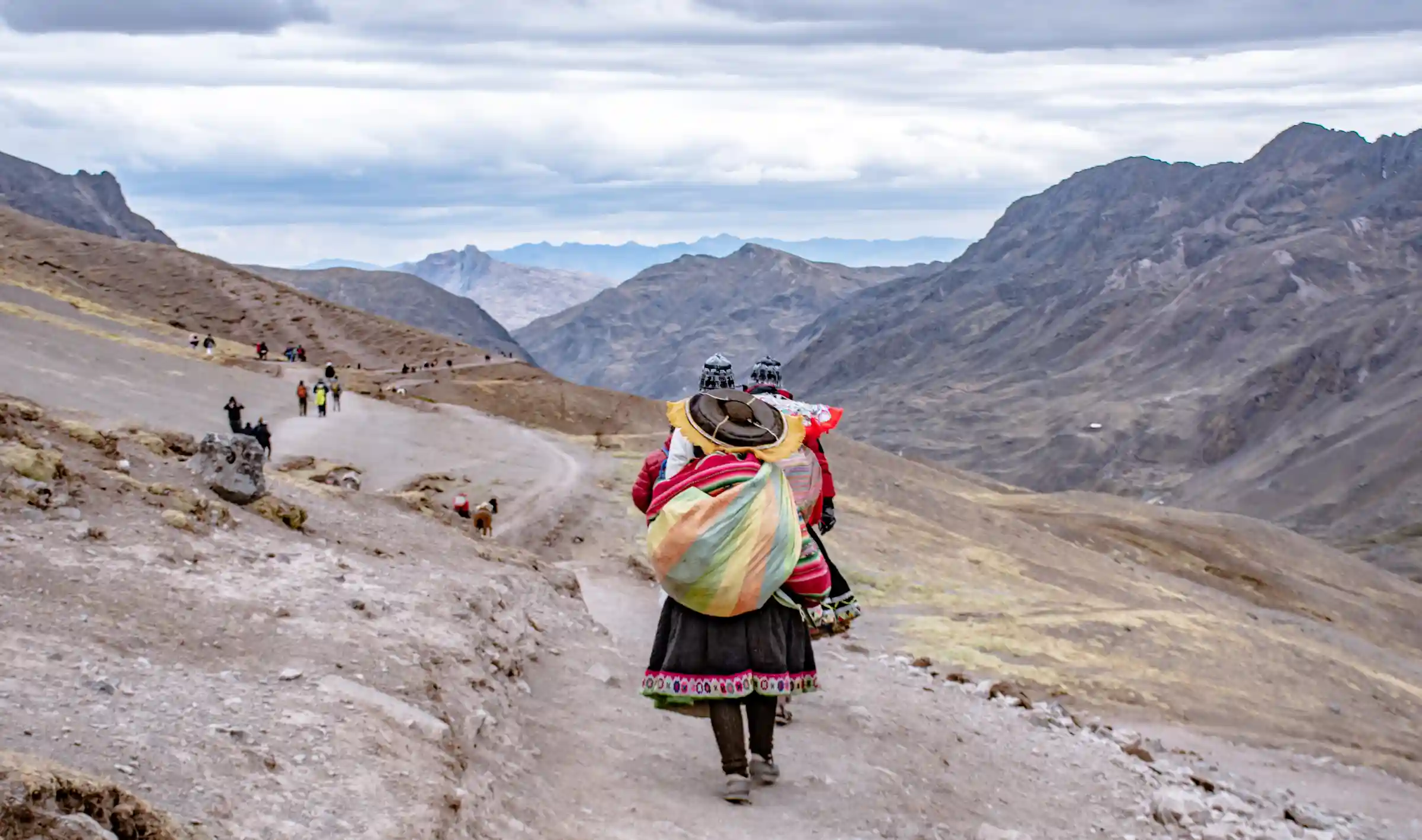
For visitors who have never traveled in this environment, context matters. Some community tourism programs offer visitors a chance to try garments, often with a host explaining their use. That is different from grabbing a headdress for a joke photograph. Ask how to wear borrowed clothing correctly and whether any item is ceremonial or restricted. Pay attention to how textiles are made, maintained and valued.
A responsible operator should be able to explain the trade-off. If you buy garments, ask about materials, origin, care and whether the maker or cooperative receives the payment. Industrial products can be attractive souvenirs but should not be presented as handwoven pieces without verification. Clothing discussions can open meaningful conversations about labor, design and local history.
At a textile workshop, a guest asks how a pattern is produced and what wool is used. The discussion becomes more memorable than simply wearing the garment for a staged portrait.
Practical takeaway: Treat dress and textile knowledge as living cultural work, not a costume.
How do you buy crafts fairly without feeling pressured?
Craft markets support livelihoods, but tourism also creates pressure to purchase. Fair negotiation begins with understanding the difference between a mass-produced souvenir and an item made over many hours. Price varies with materials, size, workmanship and local selling arrangements. A visitor should not assume that an artisan’s asking price is unreasonable just because bargaining exists elsewhere.
Ask who made the item, how long it took and whether the price includes a cooperative contribution. Look at materials and finishing rather than simply accepting a marketing label. It is fine to compare prices, ask politely about a discount or choose not to buy. Avoid aggressive bargaining over small sums when the artisan’s time and skill are substantial.
Carry small notes in soles for locally sold goods; electronic payments may be unavailable in remote areas. If a workshop demonstration is paid for through the tour, clarify whether purchases are optional. Never imply you are required to purchase to “help the community.” Respectful tourism gives people a genuine choice on both sides.
A visitor notices two scarves with different prices. Rather than demanding a uniform discount, they ask about fiber, dye and weaving method. One turns out to be a handmade piece and the other machine-produced; the price difference becomes understandable.
Practical takeaway: Pay fairly, ask questions and make purchases voluntarily.
Is it rude to refuse food or a drink?
Hospitality may include potatoes, soup, tea or foods prepared from local crops. Acceptance can be a meaningful gesture, but visitors should not risk an allergy or medical problem to appear polite. There is no universal rule requiring you to consume everything offered. Explain limitations courteously, ideally before the host begins cooking.
A useful way to interpret this is to think about the situation on the ground. Communicate vegetarian, vegan, gluten-free, lactose-free and severe allergy needs in specific terms rather than labels alone. Kitchens may work with shared surfaces and ingredients; severe allergies require extra planning and cannot always be safely accommodated. Take care with water treatment and food safety during multi-day stays, especially in remote locations.
For an actual booking, the distinction matters. Ask which meals are included, who cooks, whether safe drinking water is supplied and how dietary requests are coordinated. A private arrangement may permit more customization, sometimes with an agreed extra cost. Avoid making unverified promises about certified kitchens or special diets unless the operator confirms them for the actual departure.
A vegetarian guest receives soup made with meat stock. Explaining the preference beforehand might have allowed an alternative; refusing without blaming the host and asking politely about available side dishes is the right response now.
Practical takeaway: Early and respectful communication protects both health and hospitality.
What should you know about farms, fields and animals?
Terraces, irrigation canals, grazing land and household animals are part of productive landscapes. A trail that looks open to tourists may cross private or communal land. Do not walk through planted fields for photographs, alter irrigation channels or climb terrace walls. Alpacas and llamas are domestic livestock, not public photo props.
The practical detail is easy to miss. Ask the host or guide before touching or feeding an animal. A frightened alpaca may spit or kick, and handling can stress both livestock and owners. Avoid giving food to dogs or other animals without permission. Communities may manage crop damage, grazing and water access through local rules that visitors do not see.
It also changes how you should prepare. When booking rural walks, confirm whether the path is approved and whether land-access fees are included. During agricultural work, give people room to carry tools or livestock. A thoughtful guide explains what visitors can observe without interrupting essential tasks.
A traveler sees beautiful potato blossoms behind a stone wall. Instead of stepping over it, they ask if there is a public path nearby. The resulting conversation may reveal more about farming than a trampled crop photograph ever could.
Practical takeaway: Treat rural land as working land and livestock as someone’s responsibility.
How does altitude affect good cultural travel manners?
Many Andean communities are situated above 3,000 meters, where visitors may be short of breath or feel cold even while hosts are working normally. Do not interpret a resident’s comfortable pace as an expectation you should match. Plan to acclimatize, drink safely, rest as needed and communicate symptoms early. Health preparation makes participation more respectful and less disruptive.
There is another side to this decision. If the village walk climbs stairs or uneven slopes, ask about distance, gradient and toilet locations. A rushed itinerary that leaves travelers exhausted may undermine the visit. Bring warm layers, sun protection and rain gear rather than expecting hosts to provide everything. Do not ask for a community celebration to be rearranged because your transport arrived late.
The sensible response is to plan for more than one outcome. Choose slower itineraries when traveling with children, elderly visitors or people with mobility limitations. High altitude does not automatically prevent travel, but individual medical advice matters. A responsible operator can explain physical demands and realistic alternatives.
After arriving from sea level, a group chooses a demanding mountain homestay hike the same morning. A more considerate plan would include rest in Cusco and a gentle introduction before the community visit.
Practical takeaway: Prepare your body so cultural activities can proceed at a respectful pace.
How should you behave at festivals and public celebrations?
Local festivals may combine religious observances, music, community leadership, dance, food and family obligations. Parts of an event may be public; other moments may be reserved for invited participants. Loud music and crowds do not mean that all recording or participation is welcome. A visitor is a guest at someone else’s important occasion.
In everyday travel terms, this means something quite specific. Ask where spectators can stand and whether photography is acceptable. Keep access routes clear, avoid drinking excessively and do not interrupt musicians or processions to obtain a portrait. Some costumes and masks have precise meaning; ask for an explanation rather than assigning an invented story to them. Dates and schedules may change through local decisions.
Before committing money or time, check the operating conditions. When planning around a festival, confirm exact dates locally, allow accommodation time and be realistic about road closures. Festivals can enrich a trip but may also make transport and hotels scarce. Do not confuse a small tour demonstration with the full annual community celebration.
A procession enters a narrow street. A visitor moves aside, lowers the camera when requested and watches the event unfold without blocking residents who are participating.
Practical takeaway: Local celebration takes priority over an individual visitor’s photograph.
Should you give gifts, candy or money to children?
Spontaneous gifts can feel generous, but distributing candy or cash to children can create unequal expectations and alter how they interact with visitors. It may also encourage children to approach roads or leave school activities to seek tourist attention. Communities and local educators may have their own views about donations.
For visitors who have never traveled in this environment, context matters. If you want to help, ask local organizers whether the community has an identified need and a transparent channel for support. School supplies, cash or materials should not be handed out without consultation. Avoid photographing the giving process for social media; people are not evidence of a donor’s generosity.
A responsible operator should be able to explain the trade-off. A fair payment for a service is distinct from an unsolicited handout. Book community-led activities, buy work directly from artisans and pay agreed fees. When donating, ask what happens after you leave and whether the contribution creates ongoing responsibilities or maintenance costs.
A traveler brings a bag of sweets for children at a market. The guide suggests instead purchasing craft items from adults and asking the community association whether an established educational project accepts contributions.
Practical takeaway: Support livelihoods through fair exchange and community-chosen contributions.
What does responsible communication about poverty look like?
Andean villages are not a single story of hardship or romantic simplicity. Households may combine farming, teaching, trade, remittances, tourism and digital work. Visitors who describe a family as “living in the past” erase its choices and modern connections. Economic challenges can be real without defining everyone by a lack of resources.
Do not assume that modern phones, concrete houses or satellite dishes make a cultural experience inauthentic. Nor should an operator market inadequate hygiene as charm. Listen to hosts speak about what they value. Ask about education, trade or changing weather only when the conversation makes such questions appropriate.
If you write a travel blog, avoid describing strangers’ lives in sweeping terms. Verify cultural claims with local voices, differentiate observed facts from interpretation and request permission for recognizable stories. The phrase “untouched culture” is especially misleading for a living society.
A guest meets a farmer who also studies tourism management. That person’s experience is no less Andean because it combines traditions and new professional goals. A good article has room for both.
Practical takeaway: Write about individuals as people with choices, not stereotypes.
How can you judge whether a community tourism product is well organized?
A credible program should identify its local hosts, meeting arrangements, language support, services, inclusions, safety provisions and compensation. Peru’s July 2026 regulations for community tourism reinforce the importance of community participation and management, but implementation varies. A glossy brochure cannot show who actually makes decisions.
A useful way to interpret this is to think about the situation on the ground. Ask whether local participants approved the itinerary, whether groups are capped, what happens during crop harvests and how cancellations are handled. Consider whether timing allows meaningful exchange rather than a hurried stop. If a guide says the community “must perform” for every group, ask how voluntary that participation really is.
For an actual booking, the distinction matters. It is reasonable to compare independent community enterprises, formal tour agencies and homestay associations. Each can work well, but understand who receives payment and who is responsible if transport fails or a guest has a health issue. Request clear information without imposing unrealistic hotel standards on household lodging.
A village association schedules a weaving workshop only twice weekly. A visitor adapts their route to attend the community-led program rather than persuading an unrelated resident to stage a private performance.
Practical takeaway: Ask who controls the program, how money flows and what happens when plans change.
Where can Machu Picchu Team offer useful cultural travel context?
Machu Picchu Team lists a Q’eswachaka Bridge day tour focused on a living rope-bridge tradition maintained by local communities in the Cusco region. It also offers Lake Titicaca experiences connecting Uros, Amantani and Taquile, where community visits and a local family stay can form part of the route.
The practical detail is easy to miss. These itineraries can be starting points for respectful questions: who hosts a visit, whether photographs are permitted, how a homestay works, what meals are included and how community fees are managed. Published services do not automatically establish the quality of every future community interaction. Confirm host arrangements and specific inclusions for the chosen date.
It also changes how you should prepare. Tell reservations about dietary needs, mobility aids, children, professional cameras or equipment that requires permission well ahead of travel. A private service may offer a slower pace, but whether it can be customized and whether additional fees apply must be agreed. Do not presume that ceremonial or household access can be bought privately.
A family interested in weaving, agriculture and stories has two hours available. They could instead plan a longer, community-approved visit with realistic time for listening, rather than spending most of the slot photographing the first textiles they see.
Practical takeaway: Use tour information to coordinate consent, pacing and realistic expectations.
What changes during the rainy and dry seasons?
In much of the southern Andes, the wetter months are broadly November through March and the drier months approximately April through October, though local altitude and climate vary. Rain can affect tracks, river crossings and village access, while dry-season sun and cold nights create different challenges. Agricultural calendars and community commitments may matter as much as weather.
There is another side to this decision. Plan around muddy paths, road disruption and extra drying time for clothes in the wet season. In the drier period, carry sun and wind protection and do not underestimate overnight cold. Dates of planting, harvesting, festivals or bridge maintenance are not fixed tourist appointments; ask local hosts what is possible when you travel.
The sensible response is to plan for more than one outcome. For 2027, check access conditions near departure and leave flexibility. A community may prioritize a festival or agricultural activity over tourism, and that choice deserves respect. A good itinerary does not promise to reproduce every cultural demonstration every month of the year.
A family hopes to watch a community farming activity in December. Rainfall or crop conditions may change the schedule. The operator should offer a genuine explanation or alternative, not a fabricated demonstration that misrepresents local work.
Practical takeaway: Match your visit to community availability, not only to a weather forecast.
How can you put this information into a realistic travel plan?
Build a community visit around a confirmed local host and clear duration. A sensible Cusco-based plan might include time to acclimatize, then a rural visit or Q’eswachaka route; a Puno-based plan might spend a full day on Lake Titicaca or stay overnight with a consenting family. These are illustrative choices, not a fixed cultural product. Arrange bilingual support if needed, pay community fees according to the published arrangement, and budget for artisan purchases without assuming they are compulsory. Keep private time for your hosts; an overnight homestay is not a twenty-four-hour personal interview. Travel at least a day ahead of any nonrefundable transport connection in periods of seasonal disruption.
What should you pack, confirm, and discuss before departure?
Bring your original identity document, warm layers, rain protection, comfortable grippy shoes, sun protection, a refillable water bottle, personal medicines, tissues and a small amount of cash in soles. For a homestay, ask whether bedding, towels, power outlets and drinking water are included. Pack a flashlight, power bank and any personal toiletries you cannot rely on a household to stock. Carry a small notebook for names and stories if hosts welcome note-taking. Visitors with food allergies, serious medical needs, mobility devices, children requiring special arrangements, pets or commercial filming equipment must communicate these needs to the organizer well in advance. Do not assume that animals or drones may enter community or sacred sites.
Frequently asked questions
Do all Andean communities speak Quechua?
No. Language use varies by region, generation, household and individual. Aymara, Spanish and other languages are important in different places. Ask local hosts what they prefer.
Can I photograph someone in traditional clothing?
Ask first, agree on any established payment before the session and respect a refusal. Consent for personal photography does not equal permission for commercial reuse.
Should I bargain at a weaving cooperative?
You may ask politely about price, but recognize the labor in handmade textiles. Avoid pressuring artisans to accept unsustainably low payments.
Is it disrespectful not to eat a meal?
Not necessarily. Explain allergies and dietary restrictions clearly, ideally before food is prepared, and thank your host for the effort.
May I enter a ceremony that is visible from a road?
Visibility does not imply invitation. Ask a local host or organizer whether visitors are permitted and follow the relevant rules.
Are community homestays like hotels?
No. Facilities and service expectations vary substantially. Confirm bathrooms, heating, bedding and meal arrangements before booking.
Should I give candy or coins to children?
Usually it is better not to distribute unsolicited gifts. Ask a community organization about appropriate support and purchase local services fairly.
What if a host does not want to answer a question?
Accept it without pressure and change the subject. A paid visit does not create a right to private information.
Can a private tour arrange a private ceremony?
Only where a community chooses to offer an appropriate activity. Paying more does not create permission for sacred or private rites.
How do I learn whether an experience benefits the community?
Ask who operates it, how hosts are paid, who controls visitor numbers and whether community members approve the itinerary.
What about 2027 and later?
The 2026 regulation approved under Peru’s Law 31797 may influence how community tourism businesses are organized and supported in subsequent years. For 2027, verify the latest official information and ask individual associations what services they will actually offer. Cultural practices are living and may adapt; avoid advertising a rigid future schedule or a supposedly unchanging tradition.
Final perspective
Good etiquette is less about memorizing a few forbidden acts than about acknowledging community autonomy. A traveler who asks permission, listens without stereotypes, pays fairly and accepts limits can learn about daily life without turning someone else’s home into a stage. Andean hospitality is most meaningful when people on both sides can freely choose how they participate.
Sources and verification notes
- MINCETUR community tourism regulation, July 2026
- PROMPERÚ community tourism on Uros
- Ministry of Culture Uro cultural profile
- Machu Picchu Team Q’eswachaka tour
- Machu Picchu Team Titicaca 2-day itinerary
Editorial note: Prices, availability, access rules, route conditions and supplier inclusions can change without notice. Values described as published in November 2026 are not guaranteed prices for 2027. Claims about a particular company reflect the specific page cited; they should be reconfirmed in a dated written quotation.