
Altitude sickness in Cusco, called soroche in Peru, affects many travelers because the city sits at 3,400 meters above sea level and most people fly in from Lima, at sea level, in about an hour. The good news is that it is usually mild and passes in 1 to 3 days. This guide explains the symptoms, how to prevent altitude sickness in Cusco, what to do if you feel it and how high the main treks and tours go, from Machu Picchu to the Salkantay Pass.
This article is general travel information, not medical advice. Talk to your doctor before your trip, especially if you have heart or lung problems, are pregnant or take regular medication.
Altitude sickness in Cusco: the key facts
| Altitude of Cusco | About 3,400 m (11,150 ft) |
| When it can start | Above about 2,500 m, usually 6 to 12 hours after arriving |
| Most common symptoms | Headache, tiredness, nausea, dizziness and poor sleep |
| How long it lasts | Usually 1 to 3 days while the body acclimatizes |
| Best prevention | Go up slowly, rest the first day, drink water, avoid alcohol |
| Warning signs | Confusion, loss of balance, breathlessness at rest: get medical help and go down |
What is altitude sickness?
Altitude sickness, also called acute mountain sickness (AMS), happens when you go up to a high altitude faster than your body can adapt. The higher you go, the lower the air pressure, so each breath brings less oxygen into your blood. The body adapts by breathing faster and making more red blood cells, but this takes days.
Anyone can get it, whatever their age or fitness. Being very fit does not protect you; the main factors are how high you go, how fast you go up and how your own body reacts. People who live near sea level feel it more.
Symptoms of altitude sickness in Cusco
Mild symptoms (common)
- Headache, the most common symptom
- Tiredness and weakness
- Nausea, loss of appetite and sometimes vomiting
- Dizziness and shortness of breath when you walk uphill
- Trouble sleeping or waking up during the night
These symptoms are normal in the first days in Cusco and usually improve with rest.
Serious symptoms (rare, an emergency)
In rare cases, altitude sickness can become dangerous: HACE, fluid in the brain, and HAPE, fluid in the lungs. Look for:
- Confusion, strange behavior or extreme drowsiness
- Loss of balance or trouble walking in a straight line
- Shortness of breath even at rest, a constant cough or a gurgling sound in the chest
With any of these, go to a doctor or clinic at once and descend to a lower altitude. Do not wait until the next day.
How to prevent altitude sickness in Cusco
- Take it easy the first day. Walk slowly, rest in the afternoon and leave the steep streets and the big excursions for day 2 or 3.
- Start lower, in the Sacred Valley. Urubamba and Ollantaytambo are at about 2,800 m, 600 m lower than Cusco. Many travelers go straight from the airport to the valley and sleep there for 1 or 2 nights, then visit Machu Picchu (2,430 m) and only then stay in Cusco.
- Plan 2 days before a trek. Spend at least 2 days in Cusco or the Sacred Valley before the Inca Trail, the Salkantay Trek or Rainbow Mountain.
- Drink water. About 2 to 3 liters a day. The air is dry and you lose water faster at altitude.
- Avoid alcohol and tobacco for the first 48 hours, and eat light meals rich in carbohydrates, such as soups, rice, quinoa and potatoes.
- Sleep well. Rest is part of acclimatization.
- Above 3,000 m, go up gradually. On treks, the usual medical advice is to raise your sleeping altitude by no more than about 500 m per day and to rest one day for every 1,000 m you climb.
Coca tea, pills and oxygen for altitude sickness in Cusco
Coca leaf tea (mate de coca)
Andean people have used coca leaves for thousands of years. Most hotels in Cusco offer free mate de coca, and many travelers feel it helps with mild symptoms. It is legal in Peru, but do not take coca leaves out of the country, and keep in mind that coca tea can give a positive result in a drug test.
Medication
Acetazolamide (Diamox) is the medicine most used to prevent altitude sickness, but it needs a prescription and has side effects, so ask your doctor before the trip. Pharmacies in Cusco also sell over-the-counter tablets such as Sorojchi Pills, which mainly relieve headache; check the ingredients with your doctor or the pharmacist, especially if you are allergic to aspirin. Do not self-medicate.
Oxygen
Many hotels and pharmacies in Cusco have oxygen. It gives quick relief from symptoms, but it does not acclimatize you; when you stop, the altitude is the same.
What to do if you get altitude sickness in Cusco
- Stop going up. Do not climb higher, and above all do not sleep higher, until the symptoms improve.
- Rest and drink water. A painkiller for the headache can help; ask the pharmacist.
- If you do not improve in 24 hours, or you get worse, go down. Going down even 300 to 500 m often brings fast relief. From Cusco, the Sacred Valley is the nearest lower place.
- See a doctor if the symptoms are strong or there are any serious signs. Cusco has 24-hour clinics, and travel insurance with medical cover is strongly recommended.
On our treks, the guides are trained in first aid, carry emergency oxygen and a first aid kit, and check every traveler during the day. Tell your guide at once if you feel unwell.
How high are the places you will visit?
| Place | Altitude |
|---|---|
| Machu Picchu | 2,430 m |
| Ollantaytambo and Urubamba (Sacred Valley) | About 2,800 m |
| Cusco | About 3,400 m |
| Chinchero | About 3,760 m |
| Lake Titicaca (Puno) | 3,812 m |
| Humantay Lake | About 4,200 m |
| Dead Woman’s Pass, Inca Trail | 4,215 m |
| Abra Málaga (road to Santa Teresa) | About 4,300 m |
| Salkantay Pass | 4,630 m |
| Rainbow Mountain (Vinicunca) | About 5,000 m |
| Salkantay peak | 6,271 m |
| Ausangate peak | About 6,380 m |
Machu Picchu is lower than Cusco, so it rarely causes altitude sickness. The highest points of a trip to Cusco are usually Rainbow Mountain and the Salkantay Pass.
Altitude sickness on the Salkantay Trek and the Inca Trail
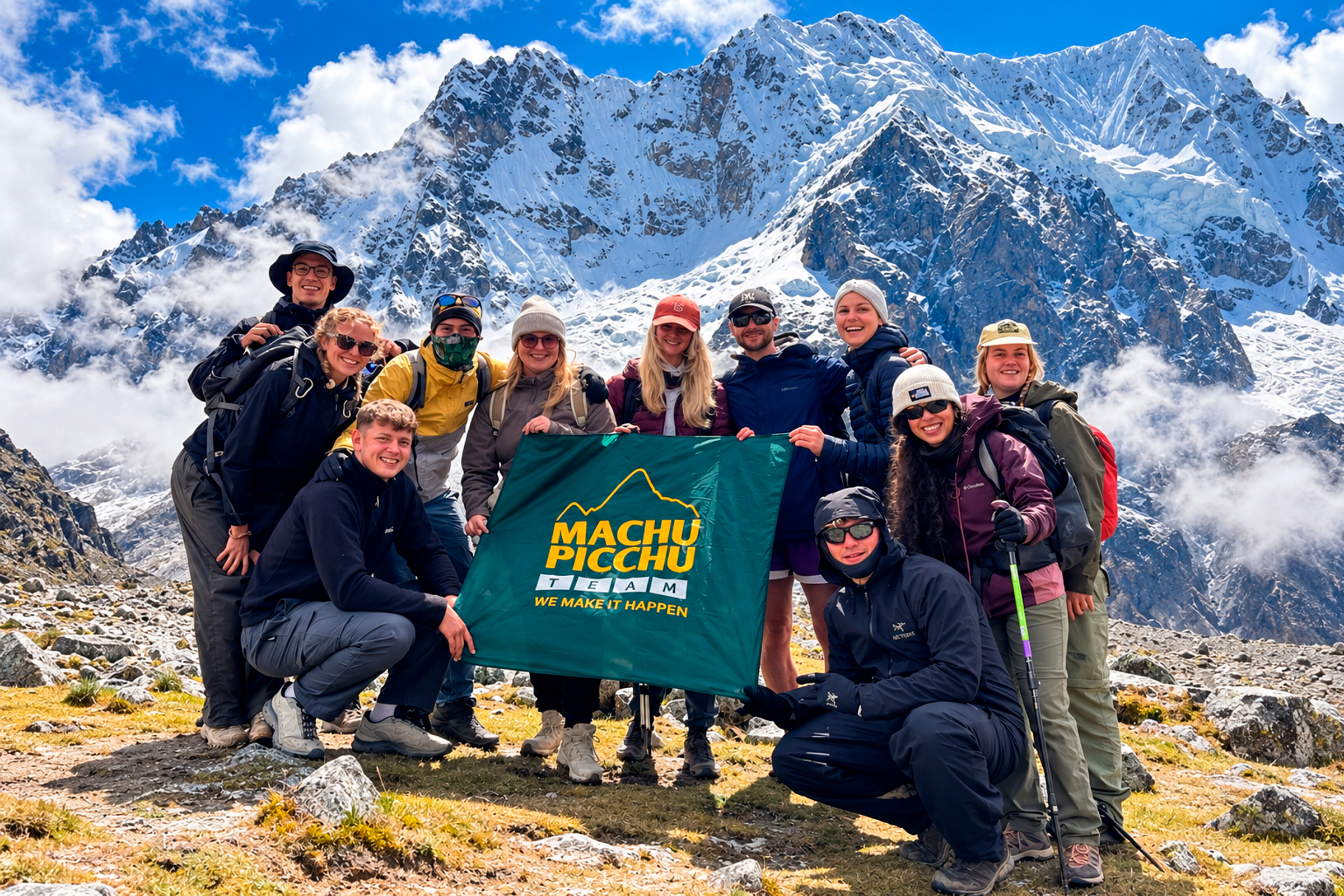
The Salkantay Trek crosses the Salkantay Pass at 4,630 m, more than 1,200 m above Cusco, usually on the second day. The Inca Trail reaches 4,215 m at Dead Woman’s Pass on the second day. For both:
- Arrive in Cusco at least 2 days before the trek. Our tours pick you up very early, so you do not want to start tired.
- Do an acclimatization day first, such as the Sacred Valley Tour (from USD 23) or the Cusco City Tour (from USD 13).
- Walk at your own pace on the passes; the guide waits for everyone.
- If you feel very unwell, the guide will help you go down.
Salkantay options:
- Salkantay Trek 5 Days (from USD 310): the most gradual itinerary.
- Salkantay Trek 4 Days (from USD 270).
- Salkantay Trek 3 Days to Machu Picchu.
- Salkantay Trek 2 Days with Humantay Lake.
If you only want a day at high altitude, try the Humantay Lake Tour or the Rainbow Mountain Tour, ideally after 2 days in Cusco. See all our tours in Cusco.
A sample plan to avoid altitude sickness in Cusco
| Day | Plan | Sleep at |
|---|---|---|
| 1 | Fly to Cusco and go to the Sacred Valley; easy walk | Sacred Valley (about 2,800 m) |
| 2 | Ollantaytambo, Moray and Maras | Sacred Valley |
| 3 | Train to Machu Picchu | Aguas Calientes (about 2,040 m) or Cusco |
| 4 | Cusco City Tour | Cusco (3,400 m) |
| 5 | Rainbow Mountain or the start of a trek | Cusco or camp |
Our Sacred Valley and Machu Picchu Tour (from USD 410) follows this idea: the valley first, then Machu Picchu. Read more about the weather in Cusco by month to choose your dates.
For medical information on altitude illness, see the CDC guide to high-altitude travel.
Frequently asked questions about altitude sickness in Cusco
How common is altitude sickness in Cusco?
Very common. Many travelers feel a headache, tiredness or poor sleep on the first day or two. Serious cases are rare.
How long does altitude sickness last in Cusco?
Usually 1 to 3 days. Most people feel much better by the second or third day if they rest and drink water.
Is Machu Picchu higher than Cusco?
No. Machu Picchu is at 2,430 m, about 1,000 m lower than Cusco, so most people feel better there.
Does coca tea help with altitude sickness?
Many travelers find it helps with mild symptoms, and it is a local tradition, but it does not replace acclimatization. Do not take coca leaves out of Peru.
Should I take Diamox for Cusco?
Ask your doctor. Acetazolamide (Diamox) can help prevent altitude sickness, but it needs a prescription and is not right for everyone.
Can I do the Salkantay Trek if I get altitude sickness?
Yes, if your symptoms are mild and improve with rest. Spend at least 2 days in Cusco first, and tell your guide how you feel.