
These are the things you should know about Peru before you travel: what the people are like, how safe it is, which documents you need, how much money to bring and what not to miss, from Machu Picchu to the Nazca Lines. Peru is one of the most diverse countries in the world, with desert coast, high Andes and Amazon rainforest, and a little planning makes the trip much easier.
Things you should know about Peru at a glance
| Capital | Lima |
| Languages | Spanish; Quechua and Aymara are also official in the areas where they are spoken |
| Currency | Sol (S/). US dollars are accepted by many tour operators and hotels. |
| Electricity | 220 volts; plugs type A and C |
| Regions | Coast, Andes and Amazon |
| Wonder of the world | Machu Picchu, one of the New Seven Wonders since 2007 |
What are the people like in Peru?
Peruvians are warm, helpful and proud of their country. It is easy to find someone who will give you directions, recommend a place to eat or help with a problem. People in the Andes can seem a little reserved at first, but they are kind and patient with visitors. A few words of Spanish, such as hola, gracias and por favor, go a long way.
Is Peru safe for tourists?
Peru is a safe country to visit if you take the usual precautions of any big trip. The tourist areas of Cusco, the Sacred Valley, Arequipa and Puno are generally calm, and police and tourist police are present in the main squares. Most problems are petty theft in crowded places of big cities, especially Lima, which is home to about a third of Peru’s population.
- Keep your passport, phone and wallet close in markets, bus stations and crowds.
- Use registered taxis or apps, especially at night and from airports.
- Do not walk alone at night in empty streets far from the center.
- Book tours with registered agencies that have a physical office and real reviews.
- Carry a copy of your passport and leave the original in a safe place when you do not need it.
Entry documents for Peru
- Passport: most visitors need a passport valid for the length of their stay; many countries recommend at least 6 months of validity.
- Visa: citizens of many countries, including the United States, Canada, the United Kingdom and the European Union, do not need a visa for tourism. Check the rules for your nationality with your consulate or with Peru’s immigration office (Migraciones).
- South American neighbors: citizens of Bolivia, Colombia, Ecuador, Argentina, Brazil, Chile, Paraguay and Uruguay can enter as tourists with their valid national ID card.
- Machu Picchu and trains: bring the same original passport you used to book your tickets; it is checked at the entrance and on the train.
Where does the name Peru come from?
The official name of the country is the Republic of Peru. In Inca times, the territory was part of the Tahuantinsuyo, the Inca Empire, which stretched from today’s Colombia to Chile and Argentina. The name “Peru” most likely comes from Birú, a local chief on the Pacific coast of today’s Colombia and Panama, whose name the Spanish used in the 1520s for the rich lands to the south. When Francisco Pizarro reached the Inca Empire, the name stayed.
The best things to see in Peru
Machu Picchu
The Inca citadel in the Cusco region is Peru’s icon and one of the New Seven Wonders of the World. Hiram Bingham made it known to the world in 1911, although local farmers already knew it. Plan your visit with our guide to the Machu Picchu location and how to get there and our Machu Picchu tours, from USD 130.
Cusco, the ancient capital of the Incas
Cusco was the capital of the Inca Empire. Today its colonial churches stand on Inca walls, and it is the base for the Sacred Valley, Rainbow Mountain and Machu Picchu. See our tours in Cusco, from USD 13.
The Nazca Lines
Giant figures drawn in the desert of the Ica region more than 1,500 years ago. They were first reported by the Peruvian archaeologist Toribio Mejía Xesspe in 1927 and studied for decades by Paul Kosok and Maria Reiche. Their purpose is still debated: an astronomical calendar, ritual paths or offerings for water. The best way to see them is from the air, on our Nazca Lines Tour.
Lima, the City of Kings
Founded by the Spanish in 1535 as the “City of Kings”, Lima was the capital of the Viceroyalty of Peru. Its historic center, a UNESCO World Heritage Site, has colonial mansions, churches and some of the best museums in the country. Explore it on our Lima City Tour, from USD 20.
Kuelap and the north
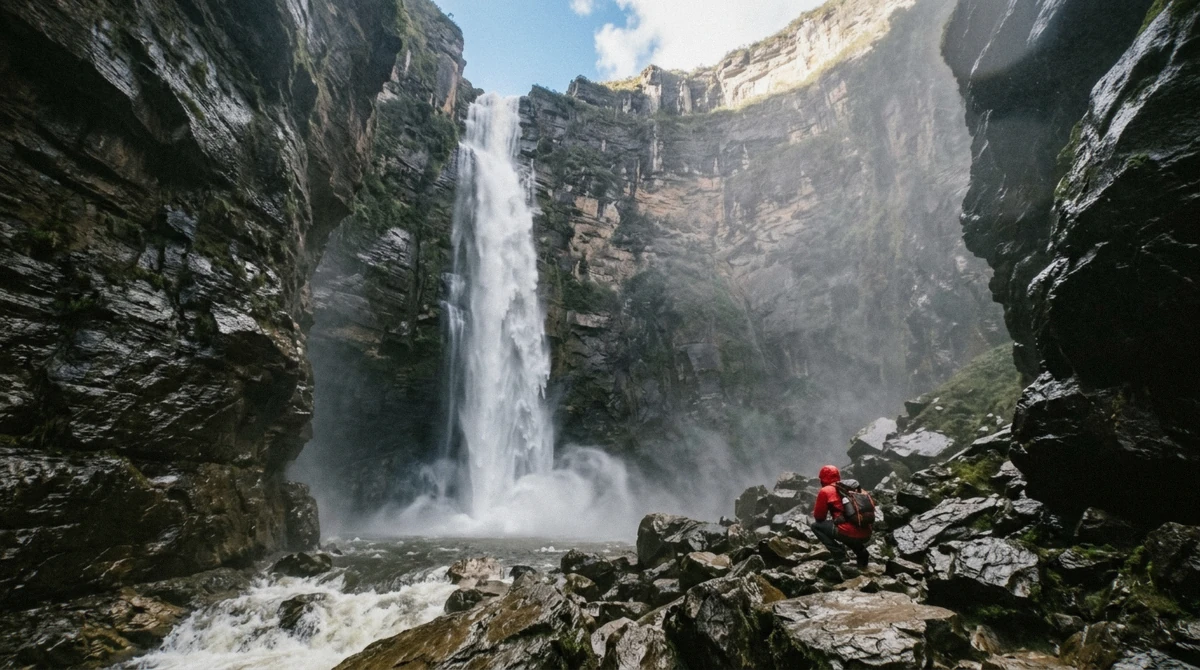
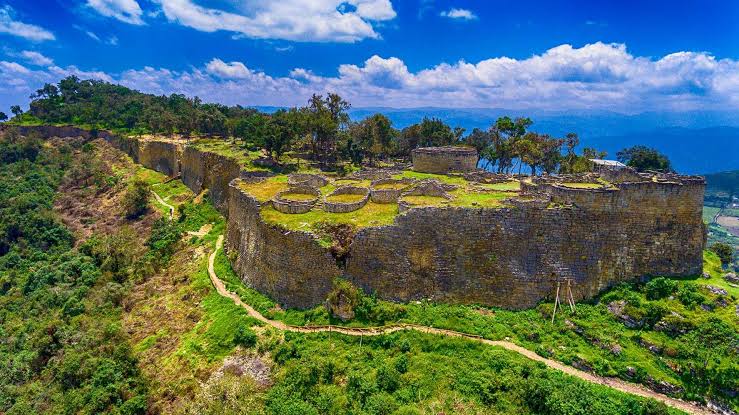
Kuelap is a huge walled city of the Chachapoyas culture, built on a mountain ridge between the Andes and the Amazon. It was later absorbed by the Incas under Tupac Yupanqui. Nearby, you can hike to one of the highest waterfalls in the world on our Gocta Waterfall Full Day Tour.
Lake Titicaca and the Amazon
Lake Titicaca, at 3,812 m, is the highest navigable lake in the world, with the floating islands of the Uros. The Peruvian Amazon covers more than half of the country. See our Lake Titicaca Tour and our Amazon tours in Manu and Tambopata.
Peruvian food and pisco
Peruvian cuisine mixes Andean, Spanish, African, Chinese and Japanese influences, with ingredients from the coast, the mountains and the jungle. Dishes you should try:
- Ceviche: raw fish cured in lime juice with chili and onion.
- Lomo saltado: stir-fried beef with tomato, onion and fries.
- Ají de gallina, causa limeña, anticuchos and arroz con pato.
- Tacacho con cecina: mashed green plantain with dried pork, from the Amazon.
Pisco is Peru’s national spirit, a grape brandy from the valleys of the southern coast, such as Ica, protected by a designation of origin. It is the base of the pisco sour. Learn to cook Peruvian food on our Lima Gastronomic Tour or the Cusco Food Tour, and read about Peruvian cheese.
Climate and geography
Peru has 84 of the world’s 117 life zones, from deserts and beaches to snow peaks and rainforest. That means you need to pack for several climates on the same trip: warm clothes for Cusco and the Andes, light clothes for the coast and the jungle, and a rain jacket from November to March in the mountains. The dry season in the Andes, from April to October, is the most popular time to travel.
Peruvian writers
Peru has given the world great writers: the poet César Vallejo; Mario Vargas Llosa (1936–2025), winner of the Nobel Prize in Literature in 2010; José María Arguedas, author of Deep Rivers; and Ricardo Palma, with his Peruvian Traditions. Reading one of their books before the trip is a good way to understand the country.
How much money should I bring to Peru?
Peru is affordable compared to Europe or North America. As a guide, a budget traveler can spend from about USD 35 a day on food, local transport and basic expenses, not counting tours, trains and hotels booked in advance. Mid-range travelers should plan more.
- Cards are accepted in hotels, restaurants and shops in cities, but carry soles in cash for markets, small towns, taxis and tips.
- ATMs are easy to find in cities; there are few or none in small villages and on treks.
- When you enter Peru, you must declare cash over USD 10,000, and you cannot bring in more than USD 30,000 in cash.
More things you should know about Peru: FAQs
Do I need a visa to travel to Peru?
Citizens of many countries, including the US, Canada, the UK and the EU, do not need a tourist visa. Check the rules for your nationality before you travel.
What is the best time to visit Peru?
For the Andes and Machu Picchu, the dry season from April to October. The coast is sunniest from December to April.
What currency is used in Peru?
The sol (S/). US dollars are accepted by many tour operators and hotels, but carry soles for daily expenses.
What wonder of the world is in Peru?
Machu Picchu, chosen as one of the New Seven Wonders of the World in 2007.
Is Peru safe for tourists?
Yes, with normal precautions: watch your belongings in crowds, use registered taxis and book with registered agencies.