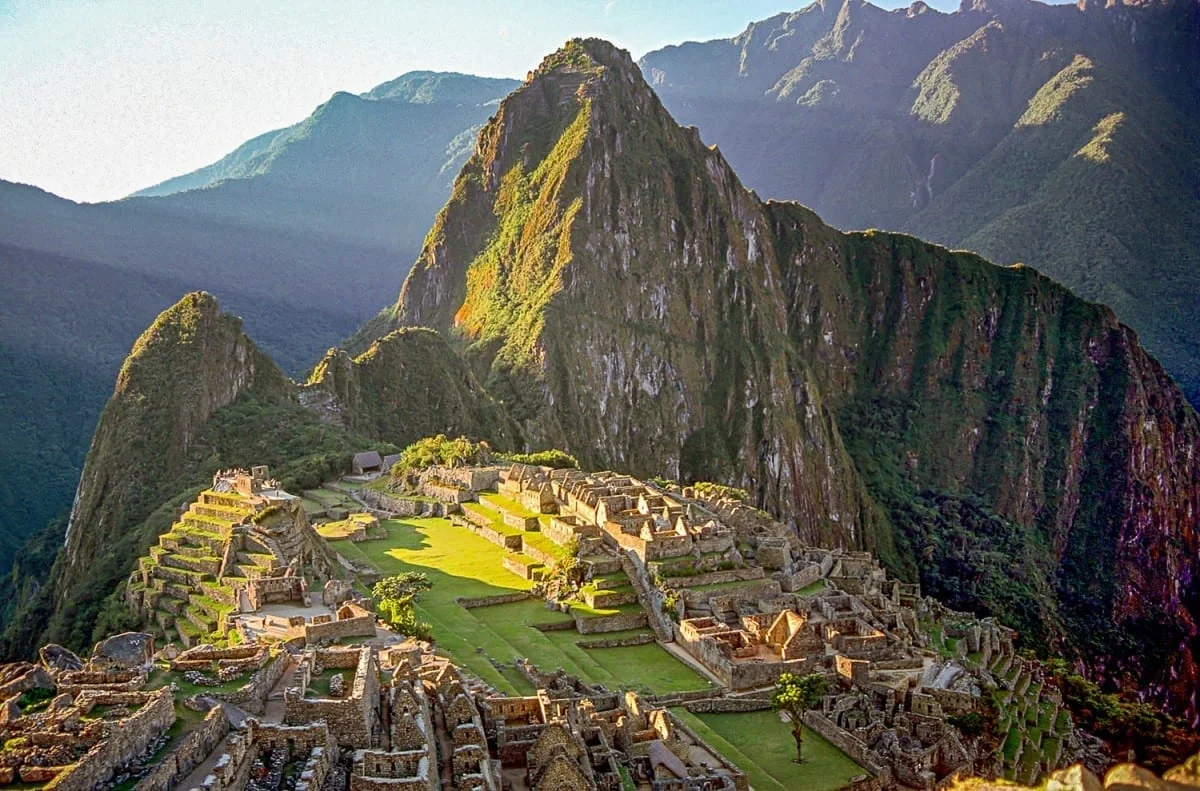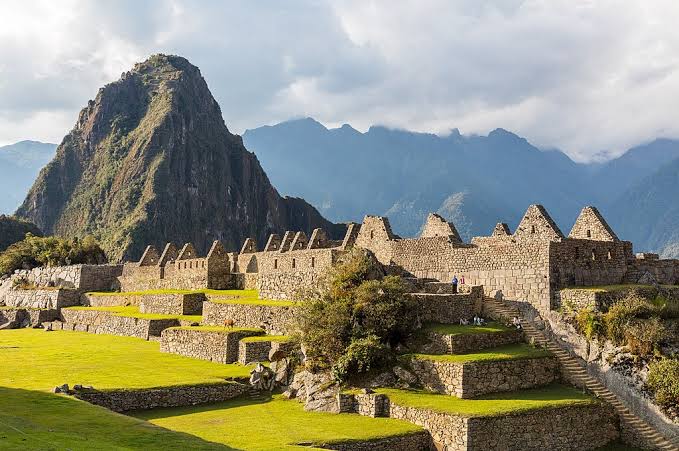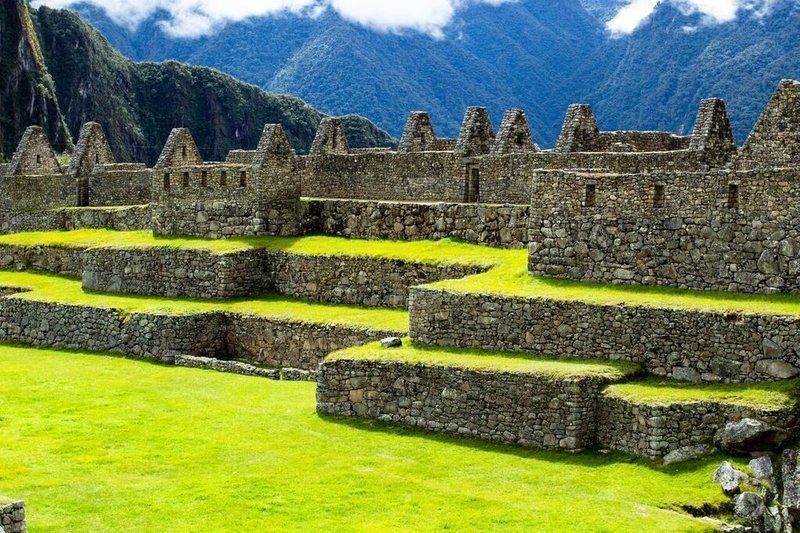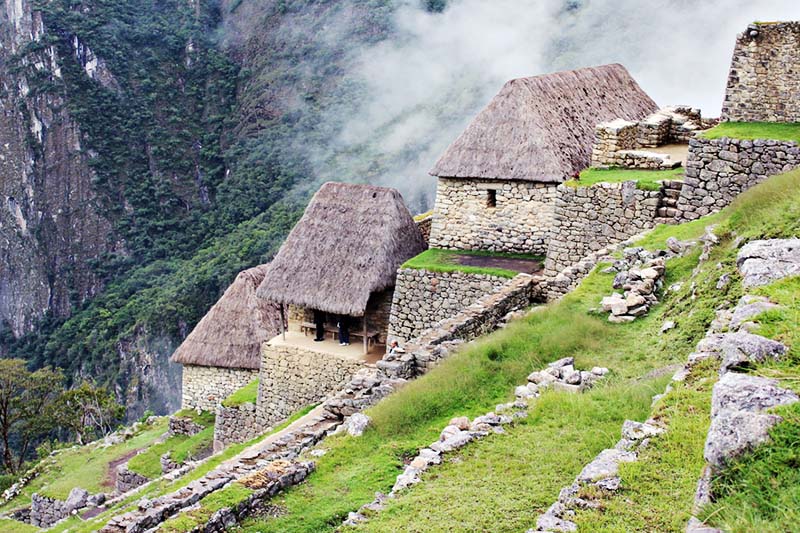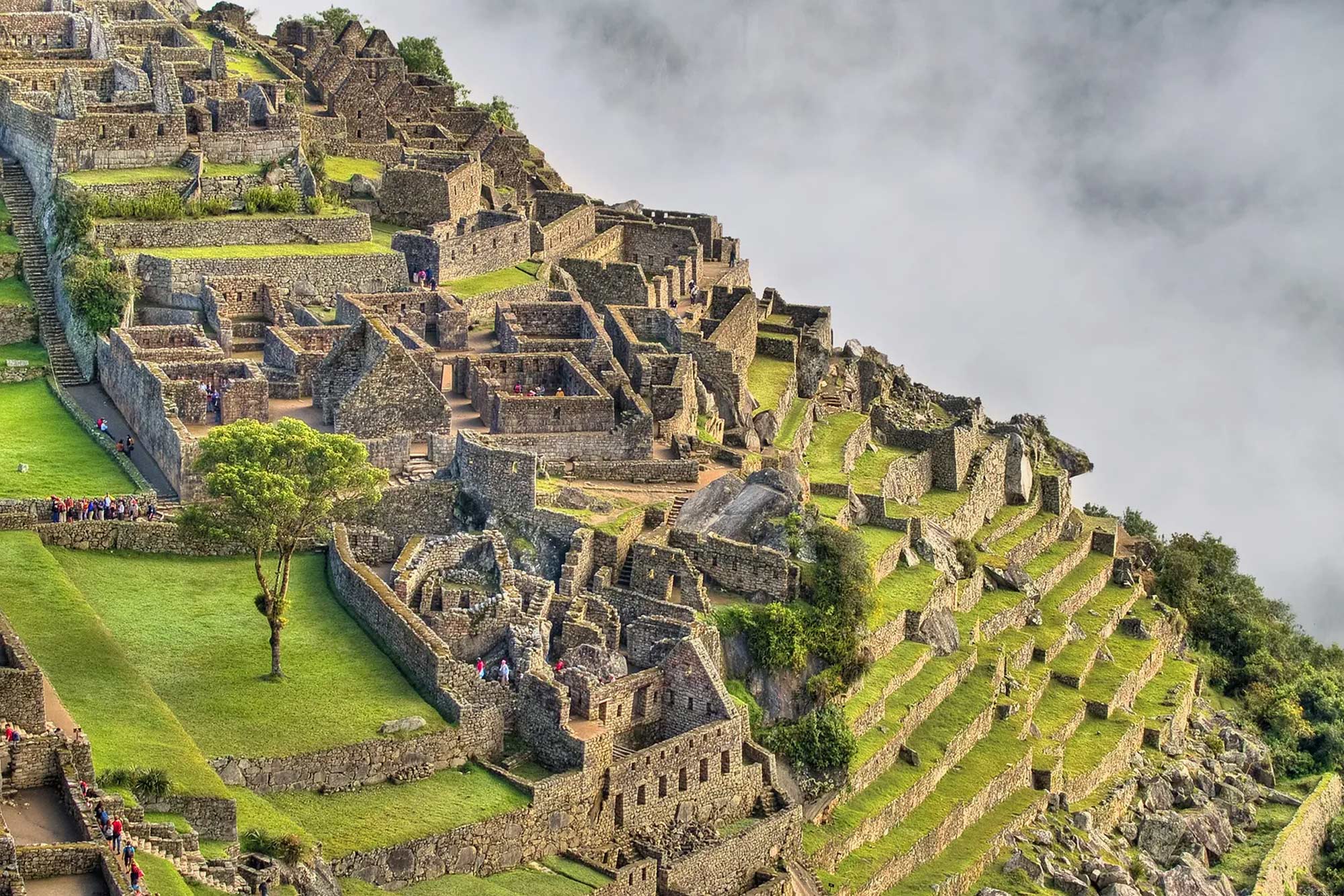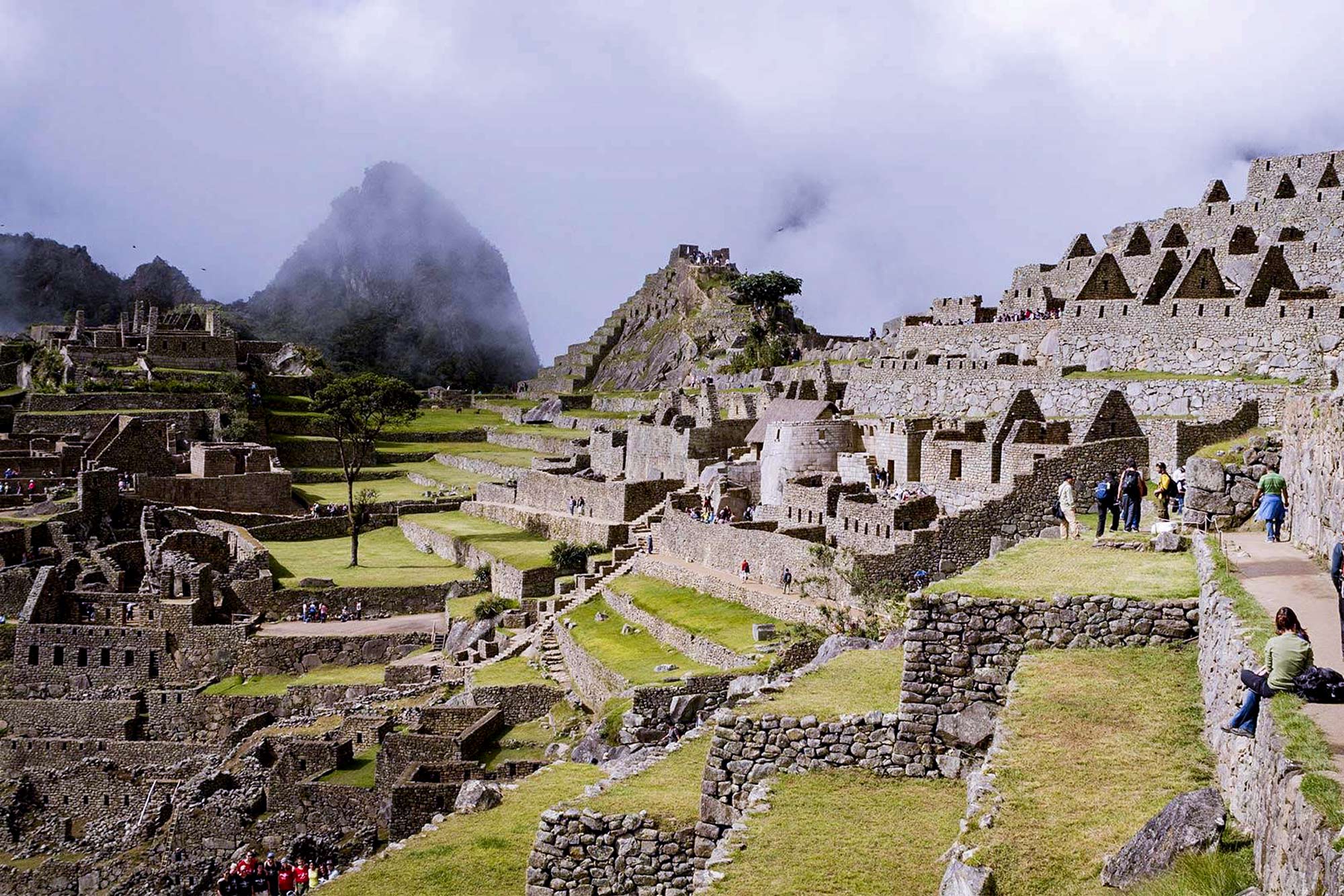

The best time to visit Machu Picchu is generally from April to October, when rainfall is lower and mountain views are often clearer. For an excellent balance of weather, scenery and manageable crowds, we particularly recommend May, September and October.
However, the best month to visit Machu Picchu depends on your priorities. Some travelers want clear photographs, others prefer quieter archaeological sites, and many are planning an Inca Trail or Salkantay Trek adventure.
As a local tour operator based in Cusco, Machu Picchu Team has prepared this practical 2027 guide to help you compare the weather month by month, understand the rainy and dry seasons, avoid the busiest periods and choose the right time for your trip.
Important: Machu Picchu sits at approximately 2,430 meters (7,972 feet) above sea level in a cloud-forest environment. Rain, mist and sunshine can occur during any month, even in the dry season.
1. Best Time to Visit Machu Picchu: Quick Answer
There is no single perfect month for everyone. The best time of year to visit Machu Picchu depends on how you balance weather, crowds, hiking conditions and travel flexibility.
| Travel Priority | Recommended Months |
|---|---|
| Best overall balance | May, September, October |
| Lowest chance of rain | June, July, August |
| Fewer visitors | January, February, March |
| Green mountain scenery | March, April, May |
| Inca Trail hiking | April to October |
| Salkantay Trek hiking | April to October, often into November |
| More flexible travel dates | November to March, with weather precautions |
Our local recommendation: If this is your first trip to Peru and you want a strong chance of beautiful views without the highest peak-season demand, May or September is an excellent starting point. October can also be rewarding, although rain becomes increasingly possible.
2. Machu Picchu Weather by Month
Understanding Machu Picchu weather by month makes planning easier. The following table describes typical seasonal patterns rather than a guaranteed forecast. Weather can change rapidly because the archaeological site is located between the Andes and the Amazonian cloud forest.
| Month | Typical Weather | Crowds | Travel Advice |
|---|---|---|---|
| January | Frequent heavy rain | Low | Allow extra flexibility |
| February | Very wet | Low | Train-based visits; check access |
| March | Rain gradually decreases | Low–Medium | Lush landscapes |
| April | Transition to drier weather | Medium | Excellent green scenery |
| May | Generally dry and clear | Medium–High | Excellent overall choice |
| June | Dry, sunny periods | High | Reserve early |
| July | Dry, cooler mornings | Very High | Peak-season planning essential |
| August | Mostly dry | Very High | Book preferred circuit early |
| September | Mostly favorable, some rain | Medium–High | Great balance |
| October | Increasing showers | Medium | Good shoulder-season option |
| November | Rain becomes more frequent | Low–Medium | Carry reliable rain gear |
| December | Rainy, humid, green | Variable | Watch holiday demand |
Crowd descriptions are broad seasonal estimates, not official daily attendance figures. Easter, public holidays and individual entry times can significantly affect demand.
Daytime conditions around the archaeological site are often mild to warm, while mornings can feel cool and damp. Cusco city, located much higher, can be considerably colder at night. For current weather warnings and forecasts, consult SENAMHI, Peru’s national weather service.
3. Machu Picchu Month by Month: January to December
Each month offers a different experience. Below is our practical guide to choosing the best month to visit Machu Picchu according to your travel style.
Machu Picchu in January
January is one of the wettest times of the year. Expect frequent showers, high humidity, cloudy skies and beautiful green mountains. It can be a good option for travelers who prefer fewer visitors and do not mind changing weather conditions.
Best for: flexible travelers, lush landscapes and quieter visits. Bring waterproof clothing and allow extra time for possible transport disruptions.
Machu Picchu in February
February generally brings persistent rain and fewer tourists. Machu Picchu itself normally remains open, although access can be affected by severe weather. The regulated Inca Trail network traditionally closes during February for annual maintenance; confirm the applicable 2027 schedule before booking.
Best for: travelers visiting by train who prioritize smaller crowds over predictable weather.
Machu Picchu in March
March marks the gradual transition away from the wettest months. The surrounding vegetation is vibrant, waterfalls are impressive and the scenery can be especially photogenic when the clouds clear.
Best for: nature lovers and travelers seeking a quieter experience. Rain protection remains essential.
Machu Picchu in April
April is an excellent transition month. Rainfall usually decreases, the landscape remains green and hiking conditions generally improve. Easter can create a temporary increase in demand, so check the holiday calendar.
Best for: photography, green landscapes, hiking and travelers seeking a balance between weather and crowds.
Machu Picchu in May
May is one of our favorite months. It generally offers clearer skies, pleasant daytime conditions and excellent opportunities for trekking. The mountains are often still green after the rainy season.
Best for: first-time visitors, the Inca Trail, Salkantay Trek and panoramic photographs. Popular entry routes may sell out early.
Machu Picchu in June
June brings the dry season and growing tourist demand. It is also an important cultural month in Cusco, particularly around Inti Raymi on June 24. Sunny periods are common, but early mornings can be chilly.
Best for: travelers who want relatively dry conditions and cultural celebrations. Reserve accommodation, trains and entrance tickets well in advance.
Machu Picchu in July
July is among the busiest months, particularly during international summer vacations and Peru’s national holidays. Clear views are common, but popular circuits and train services may have limited availability.
Best for: travelers prioritizing dry-season conditions who can plan early and accept higher visitor numbers.
Machu Picchu in August
August continues the dry-season pattern and attracts many international visitors. Mountain trails are often in favorable condition, although exposed hiking areas can feel cold or windy in the early morning.
Best for: trekking and visitors who want to reduce the likelihood of heavy rain. Book popular tickets ahead of time.
Machu Picchu in September
September is another excellent choice. The weather is often still favorable, and some of the intense July–August travel demand begins to ease. Occasional showers become more likely as the month progresses.
Best for: first-time travelers, photographers and hikers looking for a balance of conditions and visitor numbers.
Machu Picchu in October
October is a transition month with a mixture of sunny periods and increasingly frequent rain. It can offer attractive green scenery and good travel experiences without the intensity of the main dry-season months.
Best for: flexible travelers, photography and shoulder-season trips. Carry rain gear even when the forecast looks favorable.
Machu Picchu in November
November is the beginning of the wetter part of the year. Showers become more frequent, but sunny intervals are still possible. Visitor demand may be lower than during the peak dry season.
Best for: travelers seeking a quieter experience who are comfortable with variable weather.
Machu Picchu in December
December brings greener scenery, frequent rain and increased humidity. Visitor numbers can rise around Christmas and New Year, so the holiday period should not automatically be considered low season.
Best for: travelers with flexible schedules and those planning a holiday-season trip to Peru.
4. Machu Picchu Dry Season vs. Rainy Season
Dry Season: Approximately May to September
The dry season generally offers more predictable hiking conditions and a greater chance of clear mountain views. It is particularly attractive for travelers planning the Inca Trail, Salkantay Trek or additional mountain hikes.
- Advantages: lower rainfall, clearer views and generally better trekking conditions.
- Disadvantages: stronger demand for tickets, hotels and trains, especially from June through August.
- Best for: photography, trekking and travelers who prioritize weather.
Rainy Season: Approximately November to March
The rainy season transforms the surrounding mountains into a lush green landscape. Clouds and mist can create spectacular scenes, although they may temporarily hide the famous view of Machu Picchu.
- Advantages: greener scenery, fewer visitors on many dates and atmospheric photography.
- Disadvantages: slippery paths, reduced visibility and a greater risk of weather-related travel disruptions.
- Best for: flexible travelers and visitors who prefer quieter periods.
Shoulder Months: April and October
April and October sit between the main weather patterns. They can offer a particularly appealing combination of scenery and visitor demand, although conditions vary from year to year.
Do not choose your travel month based on sunshine alone. The availability of your preferred Machu Picchu circuit, train schedule and trekking permits can have an even greater impact on your experience.
5. Best Months for Photography and Clear Views
If taking the classic Machu Picchu photograph is one of your priorities, the drier months generally provide a better chance of clear views. May, June, July, August and September are all strong candidates.
However, dramatic photographs are possible in every season. During the rainy months, clouds may rise through the valley and create memorable scenes around the archaeological site.
- For clearer panoramic views: consider May through September.
- For lush green mountains: consider March through May.
- For misty, atmospheric photographs: consider the rainy season.
- For a balance of scenery and demand: consider May, September or October.
Important: Your ticket circuit determines which viewpoints you can access. Not every route includes the same classic photography locations. Read our complete Machu Picchu circuits guide before purchasing your entrance ticket.
6. When Is Machu Picchu Least Crowded?
The quietest months are generally January, February and parts of March, although this comes with a higher probability of rain. November can also be relatively quiet outside major travel dates.
June, July and August typically attract substantial visitor demand, along with Easter and major holidays. Even in quieter months, some popular circuits or entry times can sell out.
How to Avoid the Busiest Periods
- Travel during shoulder months when possible.
- Consider an afternoon entrance if it fits your preferred route and transport schedule.
- Stay overnight in Aguas Calientes for more flexibility with entry times.
- Book your preferred circuit before arranging non-refundable transport.
- Avoid assuming that a rainy month guarantees an empty archaeological site.
7. Best Time of Day to Visit Machu Picchu
The best time of day depends on your priorities, the available entrance slots and whether you are staying overnight in Aguas Calientes.
Early Morning
Early entry can be a memorable experience, especially when clouds rise over the surrounding mountains. However, morning mist can also hide the archaeological site for a while. Sunrise views are never guaranteed.
Recommended for: travelers staying in Aguas Calientes who enjoy atmospheric scenery and early starts.
Late Morning and Midday
Later morning visits may offer a greater chance of clouds clearing on some days. This period is also convenient for travelers arriving by train, although visitor demand can be substantial.
Recommended for: travelers taking a one-day train tour and visitors who prefer not to start extremely early.
Afternoon
Afternoon entry can be a good choice for softer light and, on some dates, fewer visitors. Rain showers are possible, especially during the wet season, and the available visit duration depends on the ticket rules.
Recommended for: travelers with flexible train arrangements or an overnight stay in Aguas Calientes.
Always follow the exact entry time, circuit and route printed on your ticket. Entry schedules and site regulations can change.
8. Best Time for the Inca Trail and Salkantay Trek
Weather matters even more when your Machu Picchu experience includes several days of hiking. Conditions on high mountain passes can be dramatically different from those inside the archaeological site.
Best Time for the Inca Trail
April through October generally offers favorable hiking conditions. May and September are especially appealing, while June through August attract high demand.
The regulated Inca Trail network traditionally closes in February for maintenance and conservation. The official 2026 closure and reopening were confirmed by Peruvian authorities; travelers planning 2027 should check the latest operational notices.
Learn more in our Inca Trail hiking guide.
Best Time for the Salkantay Trek
The Salkantay Trek is particularly rewarding during the drier months, generally April through October, with November also possible depending on conditions.
Unlike Machu Picchu itself, the Salkantay route reaches high-altitude mountain terrain. The Salkantay Pass is approximately 4,630 meters (15,190 feet) above sea level, where freezing temperatures, wind and rapidly changing weather are possible.
Our Salkantay Trek tours combine mountain scenery, cloud forest and a visit to Machu Picchu. Available accommodations and inclusions depend on the itinerary selected.
Planning a Trek to Machu Picchu?
Our Cusco-based team can help you compare the Inca Trail and Salkantay Trek, select suitable dates and understand the differences between the itineraries.
9. When to Book Machu Picchu Tickets for 2027
Machu Picchu has controlled daily admission and different ticket routes. Your preferred circuit may have fewer available spaces than the overall daily visitor capacity.
Official Visitor Capacity for 2027
Under Peru’s Ministry of Culture Resolution No. 408-2026-MC, the maximum capacity for Machu Picchu is 5,600 visitors per day on the following dates:
- January 1–3, 2027
- March 25–28, 2027
- June 19–November 2, 2027
- December 29–31, 2027
For the other dates in 2027, the established capacity is 4,500 visitors per day. These figures are overall daily limits, not a guarantee that every circuit or entry time will be available.
Official reference: Peru Ministry of Culture — Ministerial Resolutions.
How Far in Advance Should You Book?
For June through August, major holidays and popular routes such as Circuit 2, we recommend arranging tickets as early as your travel plans allow. Some entry times can sell out months in advance.
For Inca Trail permits and mountain routes, advance planning is especially important. Exact availability varies by date, route and booking period.
You can consult the official ticketing platform at Tu Boleto — Ministry of Culture.
Before purchasing, compare the routes in our Machu Picchu circuits guide and check the current conditions of sale. Tickets and changes are subject to the official rules applicable to your booking.
10. What to Pack for Machu Picchu in Every Season
Because weather can change quickly, packing layers is a good idea regardless of the month.
Dry Season Essentials
- Comfortable walking shoes with good grip
- Lightweight clothing and a warm layer for early mornings
- Sun protection, sunglasses and a hat
- Reusable water bottle, subject to site regulations
- Lightweight rain jacket for unexpected showers
Rainy Season Essentials
- Reliable waterproof jacket
- Quick-drying clothing
- Walking shoes with good traction
- Waterproof protection for documents and electronics
- Extra dry clothing for your return journey
For multi-day treks, additional cold-weather equipment is necessary, especially at high-altitude camps. Always check the latest prohibited-items and baggage rules before entering Machu Picchu.
11. Frequently Asked Questions About the Best Time to Visit Machu Picchu
What is the best month to visit Machu Picchu?
May and September are excellent choices for many travelers because they often combine favorable weather with less intense demand than the busiest dry-season weeks. October is also attractive if you are comfortable with occasional rain.
What is the best time of year to visit Machu Picchu?
April through October generally offers favorable conditions. June to August is often driest but also attracts many visitors.
When is Machu Picchu’s rainy season?
The rainier period generally runs from November through March, with particularly wet conditions often occurring from January to March.
Does it rain at Machu Picchu during the dry season?
Yes. Machu Picchu is located in a cloud-forest environment, so rain and mist are possible throughout the year.
Is Machu Picchu worth visiting in January?
Yes, particularly if you enjoy green landscapes and quieter periods. However, January is rainy, so you should prepare for reduced visibility and possible travel delays.
Is April a good month to visit Machu Picchu?
April is often an excellent choice. Rainfall generally decreases, and the surrounding mountains remain green after the rainy season.
Is October a good month to visit Machu Picchu?
Yes. October can provide a good balance of scenery and visitor numbers, although rain becomes more frequent as the wet season approaches.
Is Machu Picchu open in February?
Machu Picchu itself normally remains open in February. The regulated Inca Trail network traditionally closes for maintenance, which is different from closure of the archaeological site.
What is the least crowded month at Machu Picchu?
January and February are often among the quietest months, but holiday dates, ticket routes and entry times can still affect demand.
What is the best time of day to visit Machu Picchu?
Early morning is attractive for misty scenery and an early start, while late morning may offer better visibility on some days. Afternoon visits can be pleasant for travelers with flexible schedules.
When should I book Machu Picchu tickets for 2027?
Book as soon as your travel dates and preferred circuit are confirmed, especially for June through August, holidays and popular routes. Always check official ticket availability.
Can I visit Machu Picchu and the Salkantay Trek in the rainy season?
Some trekking departures may operate during wetter months, but conditions can be more challenging. The safest choice depends on weather forecasts, route conditions and the operator’s assessment.
Travel with local experts
12. Plan Your Machu Picchu Adventure with Machu Picchu Team
Whether you want to visit Machu Picchu by train, hike the famous Inca Trail or experience the spectacular Salkantay Trek, choosing the right travel dates can make a real difference.
At Machu Picchu Team, we operate tours from Cusco and help travelers understand their options, including itineraries, entrance circuits, transport and trekking conditions.
Explore our Machu Picchu tours or contact our local team for assistance planning your 2027 visit.
Official Sources and Travel Information
Travel information reviewed in November 2026. Seasonal recommendations describe typical conditions, not guaranteed weather. Entrance rules, transport operations and tour availability may change.
Photo Gallery