
The Ausangate trek is a multi-day circuit around Ausangate (6,384 m), the sacred snow peak of the Cusco region. It crosses high passes above 5,000 m, turquoise glacial lakes, herds of alpacas and remote Quechua villages, and it can include Rainbow Mountain. Experienced hikers can do the Ausangate trek without a guide, but it is a serious high-altitude route. This guide covers the route, altitude, best season, how to get to the trailhead, costs, safety, and when it is better to go with a guide.
Ausangate trek at a glance
| Start and finish | Tinki (Tinqui), near Ocongate, about 3 to 4 hours by road from Cusco |
| Distance | About 60 to 70 km on the classic circuit |
| Duration | 4 to 6 days |
| Lowest point | About 3,800 m in Tinki |
| Highest point | Palomani Pass, about 5,100 m |
| Difficulty | Hard: high altitude, cold nights and remote terrain |
| Best season | May to September |
The Ausangate trek route
The classic circuit goes around the mountain from Tinki. A typical 5-day itinerary:
- Tinki to Upis: a gentle walk through pastures to the hot springs of Upis, below the north face of Ausangate.
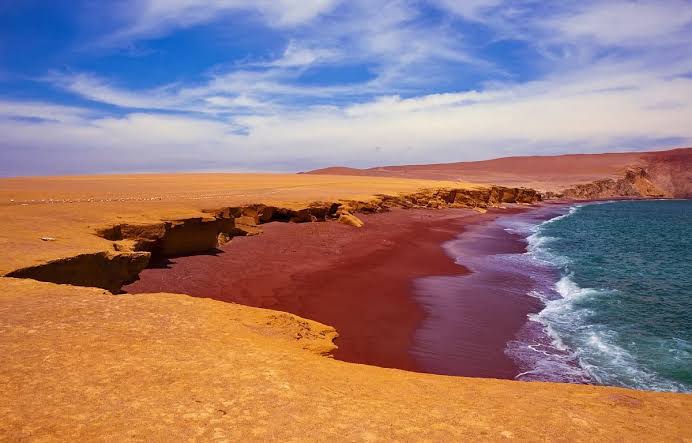
- Upis to the Pucacocha area: over the Arapa Pass, about 4,800 m, past red mountains and the first glacial lakes.
- Over Palomani Pass: the highest point of the trek, about 5,100 m, with views of the glaciers, then down to the Ausangate Cocha lakes.
- To the Campa Pass area: another high pass, around 5,000 m, and lakes below the glaciers.
- Back to Tinki through Pacchanta, with its hot springs.
Some itineraries add a detour to Rainbow Mountain (Vinicunca), about 5,000 m, from the south side of the circuit, which adds a day or two. If you only want to see Rainbow Mountain, our Rainbow Mountain Tour does it in a day from Cusco.
Altitude on the Ausangate trek
This is one of the highest treks in Peru. Almost the whole route is above 4,000 m (13,100 ft), the passes are around 4,800 to 5,100 m (15,700 to 16,700 ft), and the campsites are usually between 4,300 and 4,700 m, where nights below -10 °C are possible in the dry season.
- Spend at least 3 to 4 days in Cusco or the Sacred Valley before the trek, and ideally do a shorter high hike first, such as Humantay Lake or Rainbow Mountain.
- Drink plenty of water, eat well and walk slowly on the passes.
- If you have a strong headache that does not go away, confusion, loss of balance or breathlessness at rest, go down at once.
Read our guide to altitude sickness in Cusco. Coca tea is widely used by local people and helps many trekkers with mild symptoms.
Best time for the Ausangate trek
The best months are May to September, in the dry season: clear skies, little rain and the best views of the glaciers, but very cold nights. April and October are possible, with more risk of rain or snow. From November to March, the rainy season brings rain, snow on the passes, mud and poor visibility, and the trek is not recommended without local support. Weather at this altitude changes fast in any month.
How to do the Ausangate trek without a guide
Who should do it on their own
The Ausangate trek without a guide is only for experienced hikers who have trekked at high altitude before, can navigate with a map and GPS, carry all their camping gear and food, and are fully acclimatized. Trails are not signposted, and many paths cross pastures, so it is easy to take the wrong valley.
Getting to the trailhead
Public buses and minivans go from Cusco to Tinki and Ocongate, on the road to Puerto Maldonado, in about 3 to 4 hours. Buy food and fuel in Cusco: Tinki has only small shops.
Navigation and safety
- Download an offline map and a GPS track of the circuit before you go; there is no phone signal on most of the route.
- Tell someone your itinerary and return date.
- Carry a first aid kit, water treatment, a warm sleeping bag rated to about -15 °C, a 4-season tent, a stove and a rain jacket.
- Do not trek alone; go at least in pairs.
See our packing list for the Ausangate trek.
Community fees
The Ausangate trek crosses land of several Quechua communities, which charge small entrance fees at different points. Carry cash in soles in small notes. In some villages you can also hire a local arriero (muleteer) with horses to carry your gear, which supports the communities and makes the trek much easier.
Ausangate trek cost
| Item | Without a guide | With a guided tour |
|---|---|---|
| Transport to Tinki | Public bus, low cost | Included |
| Food and fuel | You buy and carry it | Cooked by the trek chef |
| Camping gear | Your own or rented in Cusco | Included or rented |
| Community fees | Cash at each point | Usually included |
| Arriero and horses | Optional, paid locally | Included |
| Safety | Your responsibility | Guide, oxygen and first aid kit |
Going alone is cheaper, but a guided trek takes care of navigation, food, gear, horses and safety, which on a route this high and remote makes a big difference.
Respect the mountain and the communities
Ausangate is an apu, a sacred mountain for the Quechua people, and the site of the Qoyllur Rit’i pilgrimage. Many trekkers leave a small offering of coca leaves at the passes, following local custom. Ask before you take photos of people, camp only where it is allowed, take all your trash with you and do not disturb the alpacas and llamas.
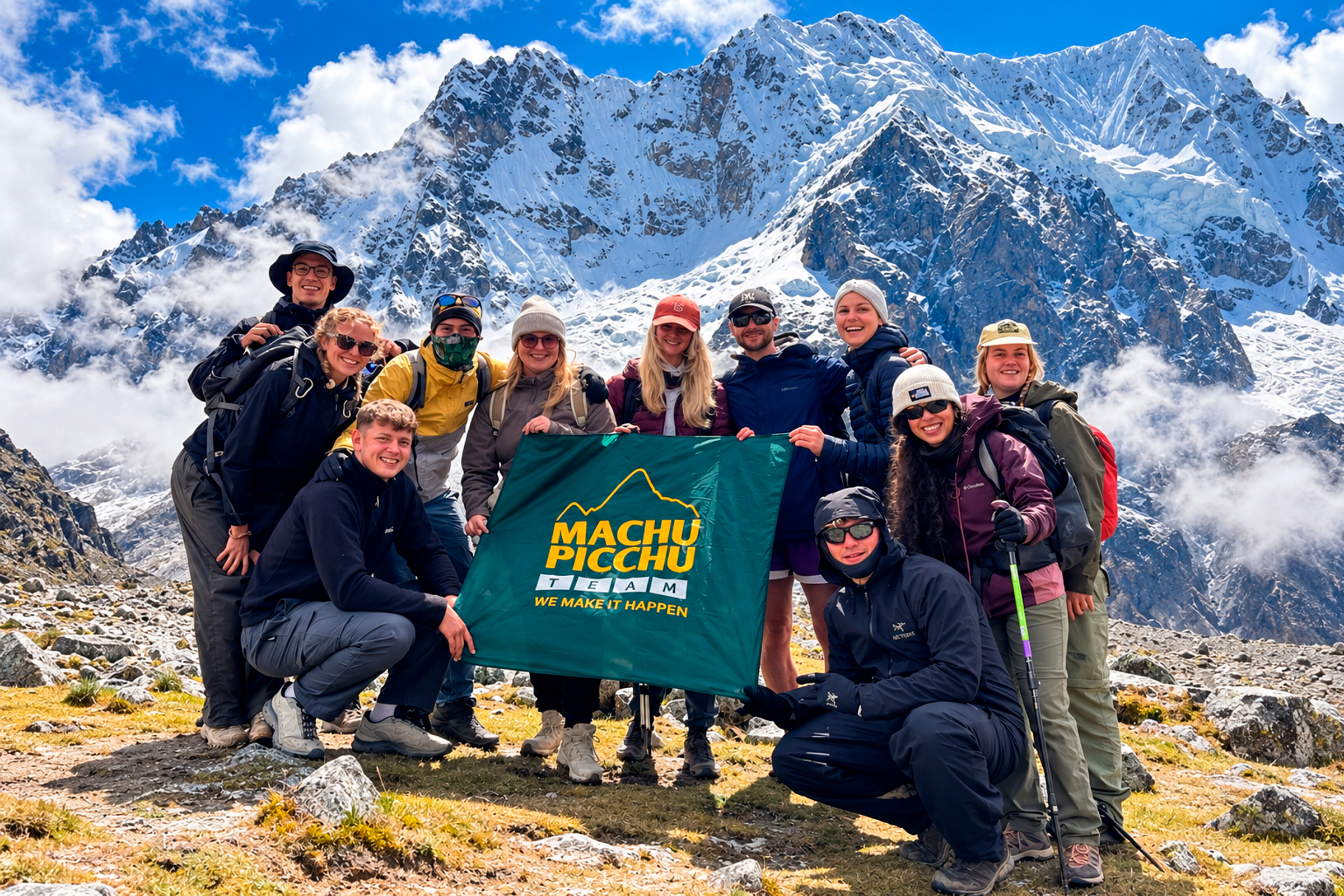
Ausangate tours with Machu Picchu Team
- Ausangate 7 Lakes Full Day Tour (from USD 29): a day hike of about 8 km to seven glacial lakes below Ausangate, with hot springs in Pacchanta. A great way to see the mountain without camping.
- Ausangate 7 Lakes Private Tour: the same hike in a private vehicle, with entrance fees included.
- Rainbow Mountain Tour: Vinicunca in one day from Cusco.
For the multi-day circuit with a guide, cook and horses, ask us at our office on Plaza Regocijo or see all our tours in Cusco. For weather before you go, check the forecasts of SENAMHI, Peru’s national weather service.
Frequently asked questions about the Ausangate trek
Can you do the Ausangate trek without a guide?
Yes, if you are an experienced, well-acclimatized hiker with navigation skills and full camping gear. Many people hire a local arriero with horses instead of a full guided tour.
How hard is the Ausangate trek?
Hard. The distance is moderate, but the altitude, with passes around 5,000 m, and the cold nights make it one of the toughest treks in the Cusco region.
How many days is the Ausangate trek?
The classic circuit takes 4 to 6 days. With a detour to Rainbow Mountain, plan 5 to 7 days.
How high is Ausangate?
The peak of Ausangate is 6,384 m (20,945 ft), the highest mountain in the Cusco region. The trek reaches about 5,100 m at Palomani Pass.
Is there a shorter way to see Ausangate?
Yes. The Ausangate 7 Lakes day tour from Cusco shows the glaciers and lakes in one day, with a hike of about 8 km.