
Choosing the best hiking route to Machu Picchu depends on your time, fitness and travel dates. The three classic options are the Inca Trail, the Salkantay Trek and the Lares Trek, and there are shorter choices if you only have a day or two. This guide compares each hiking route to Machu Picchu by days, distance, altitude, permits and price, with the pros and cons of each, so you can pick the trek that fits you.
Hiking route to Machu Picchu: quick comparison
| Trek | Days | Distance | Highest point | Permit | From |
|---|---|---|---|---|---|
| Classic Inca Trail | 4 | About 42 km | 4,215 m (Dead Woman’s Pass) | Yes, sells out | USD 740 |
| Short Inca Trail | 2 | About 12 km on day 1 | About 2,700 m | Yes | USD 510 |
| Salkantay Trek | 2 to 5 | About 70 km (5 days) | 4,630 m (Salkantay Pass) | No | USD 160 (2 days) |
| Lares Trek | 4 | About 35 km | About 4,700 m | No | USD 590 |
| Inca Jungle Trail | 3 to 4 | Short walks plus biking | About 4,300 m (by car) | No | USD 250 |
Prices are per adult and include the Machu Picchu entrance and a guided tour, except the Salkantay 2-day trek, which visits Humantay Lake and does not go to Machu Picchu.
1. Inca Trail: the classic hiking route to Machu Picchu
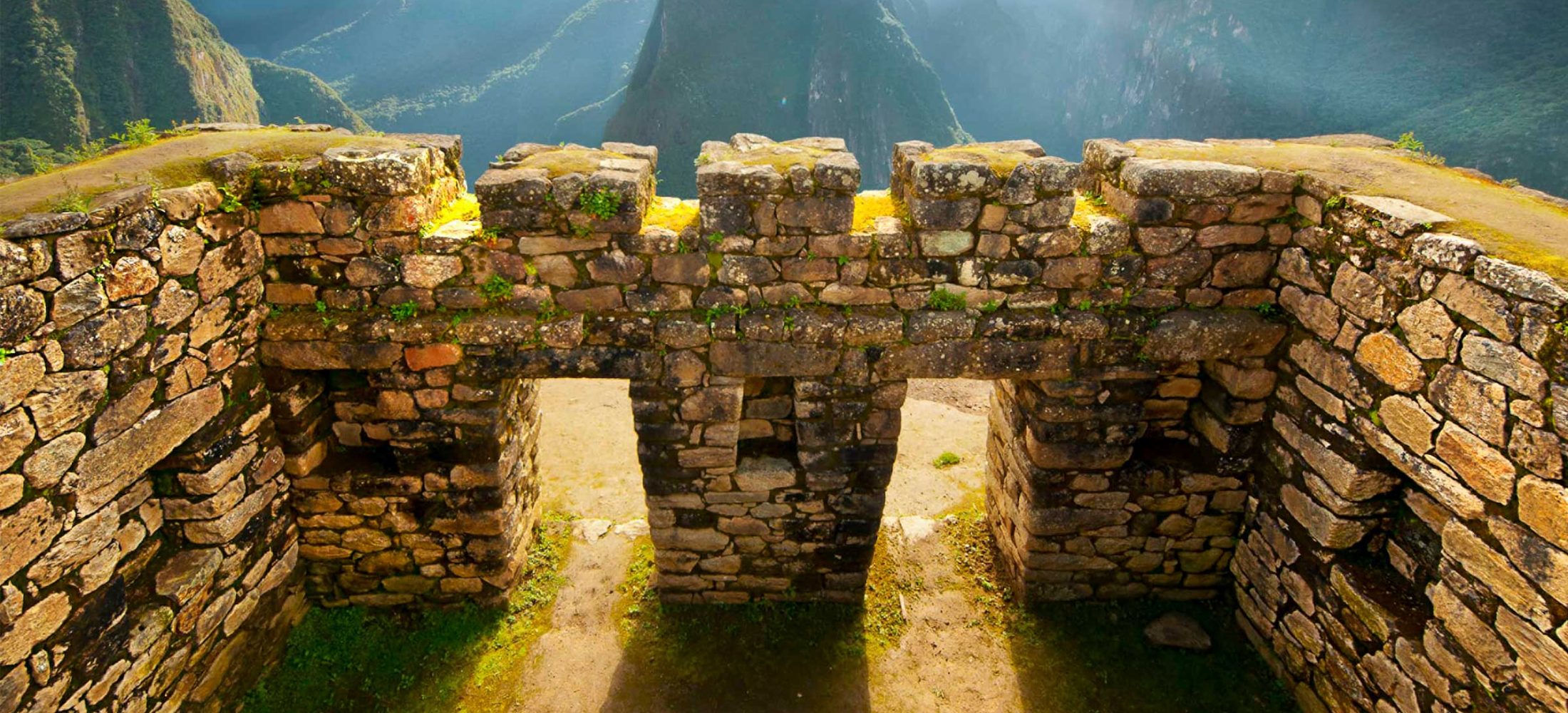
The Inca Trail is the most famous hiking route to Machu Picchu and the only one that follows an original Inca road all the way to the citadel. The classic trek starts at Km 82 of the railway (Piscacucho), crosses Dead Woman’s Pass at 4,215 m and passes Inca sites such as Runkurakay, Sayacmarca, Phuyupatamarca and Wiñay Wayna. On the last morning you walk through the Sun Gate (Inti Punku) for the view of Machu Picchu that appears in so many photos. The trail is part of the Qhapaq Ñan, the Andean road system listed by UNESCO.
Pros: Inca ruins every day, the Sun Gate arrival and the most historic experience.
Cons: permits are limited to 500 people a day, including guides and porters, and sell out months ahead for May to September. The trail closes every February for maintenance, and it is the busiest route.
Inca Trail tours
- Inca Trail 4 Days (from USD 740): the full route from Km 82, with three nights of camping.
- Short Inca Trail 2 Days (from USD 510): from Km 104 to Wiñay Wayna and the Sun Gate, with a night in Aguas Calientes.
- Inca Trail 1 Day (from USD 400): the last section of the trail in one long day.
- Salkantay Trek and Inca Trail (from USD 1,150): the Salkantay Pass and the classic Inca Trail in one trip.
Before you go, read what to bring for the Inca Trail.
2. Salkantay Trek: the best hiking route to Machu Picchu without a permit
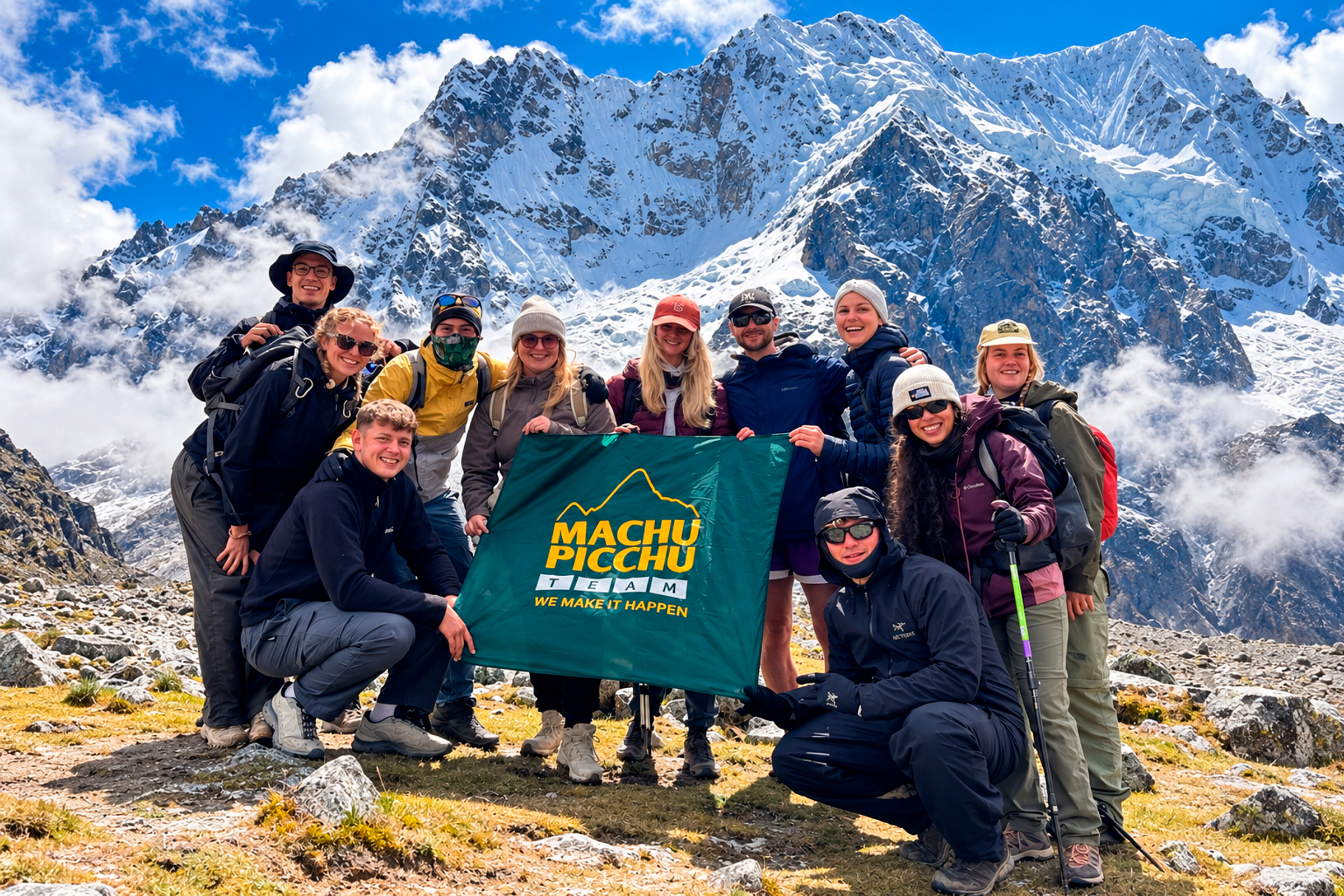
The Salkantay Trek is the most popular alternative to the Inca Trail, and National Geographic Adventure is often cited for listing it among the 25 best treks in the world. The route starts near Soraypampa, below Humantay Lake, crosses the Salkantay Pass at 4,630 m beside the snow-capped Salkantay mountain (about 6,270 m), and then descends into the cloud forest and the coffee valleys of Santa Teresa. Most versions follow part of the Llactapata Inca trail, with a distant view of Machu Picchu, before reaching Aguas Calientes.
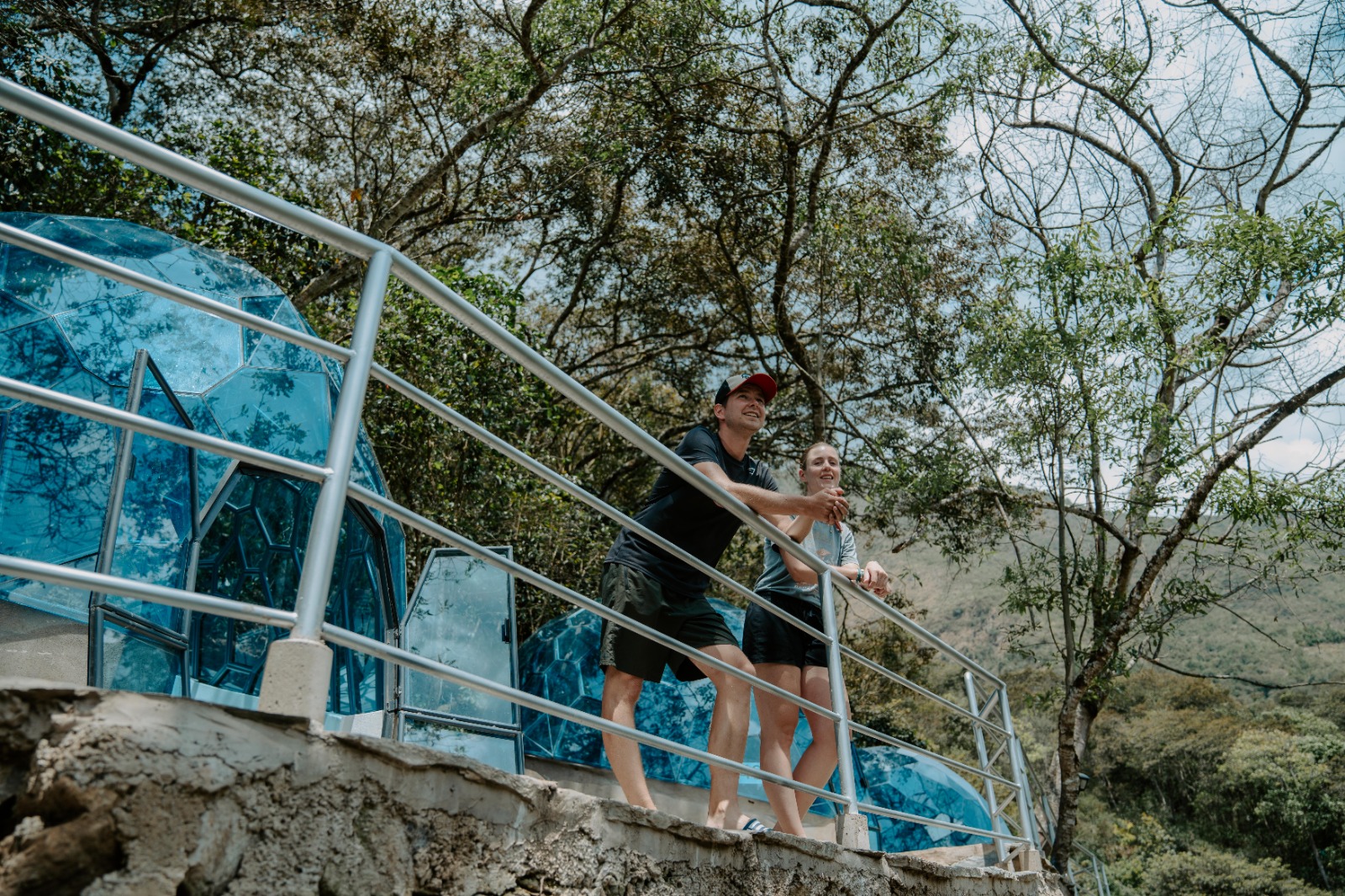
Pros: no permit, departures every day of the year (including February), dramatic changes of scenery from glaciers to jungle, and nights in our Sky Star Domes.
Cons: the pass is higher than any point on the Inca Trail, the days are longer, and you arrive at Machu Picchu by bus from Aguas Calientes instead of through the Sun Gate.
Salkantay Trek tours
- Salkantay Trek 5 Days: the classic pace, with a coffee farm and the Santa Teresa hot springs.
- Salkantay Trek 4 Days: all the highlights in less time.
- Salkantay Trek 3 Days: a fast version for fit, experienced hikers.
- Salkantay Trek 2 Days (from USD 160): the Salkantay Pass and Humantay Lake, without Machu Picchu.
- Llactapata Trek 3 Days (from USD 270): the Llactapata Inca trail with zipline and hot springs.
Compare all the options on our Salkantay Trek page.
3. Lares Trek: the cultural hiking route to Machu Picchu
The Lares Trek crosses the mountains between the Lares valley and the Sacred Valley, through Quechua villages where families still herd llamas and alpacas and weave textiles with traditional designs. Our 4-day route starts at Huaran, crosses the Pachacutec Pass (about 4,700 m) and the Cuncani Pass, and ends at the Lares hot springs, from where you continue by train to Aguas Calientes and Machu Picchu.
Pros: no permit, few other hikers, and real contact with Andean communities.
Cons: you do not walk into Machu Picchu on foot (the last stretch is by train), and the passes are high, so you need good acclimatization.
Book the Lares Trek to Machu Picchu (4 days, from USD 590 per adult).
Other treks to Machu Picchu
- Inca Jungle Trail (from USD 250): downhill biking, optional rafting and zipline, and a walk along the Urubamba to Aguas Calientes. More adventure than hiking.
- Huchuy Qosqo Trek to Machu Picchu (from USD 250): a short Inca trail above the Sacred Valley, then the train to Aguas Calientes.
- Choquequirao Trek 4 Days (from USD 380): not a route to Machu Picchu, but a hike to its remote “sister city” across the Apurímac Canyon, with very few visitors. Longer expeditions of 8 days or more continue from Choquequirao to Machu Picchu.
- Vilcabamba traverse: an expedition of one to two weeks through the Vilcabamba range, with several high passes, for very experienced trekkers.
When you compare other “alternative Inca Trail” offers, check the details: some spend most of the last day in a vehicle or train instead of on foot.
How to choose your hiking route to Machu Picchu
- You want the Sun Gate and Inca ruins: Inca Trail 4 days, or the 2-day short trail if you have little time. Book early.
- Permits are sold out, or you travel in February: Salkantay Trek.
- You want culture and quiet trails: Lares Trek.
- You want adventure activities more than long hikes: Inca Jungle Trail.
- You have only one day: Inca Trail 1 Day.
Whatever the route, spend at least two days in Cusco first to acclimatize; read our tips on altitude sickness in Cusco. The best months for hiking are May to September, the dry season.
FAQs about the best hiking route to Machu Picchu
What is the best hiking route to Machu Picchu?
The Inca Trail is the best choice for history and the Sun Gate arrival. The Salkantay Trek is the best choice if permits are sold out or you want mountain scenery without a permit.
Which trek to Machu Picchu is the hardest?
The Salkantay Trek and the Lares Trek reach higher passes (about 4,600 to 4,700 m) than the Inca Trail (4,215 m). The Inca Trail has many stone steps, especially on day 2.
Do I need a permit for every trek to Machu Picchu?
No. Only the Inca Trail (1, 2 and 4 days) needs a permit. Salkantay, Lares and the Inca Jungle Trail do not, but you still need a Machu Picchu entrance ticket.
Can I hike to Machu Picchu in February?
The Inca Trail is closed in February. The Salkantay Trek, Lares Trek and Inca Jungle Trail operate all year.
Can I hike to Machu Picchu without a guide?
Not on the Inca Trail, where a licensed operator is required. Inside Machu Picchu, visitors must also enter with a guide.