
Qorikancha (also written Coricancha) was the most important temple of the Inca Empire, dedicated to Inti, the Sun god. Its walls were once covered with sheets of gold. After the Spanish conquest, the Dominicans built the church and convent of Santo Domingo on top of it, so today you can see some of the finest Inca stonework in Cusco together with a colonial church and cloister.
This guide from Machu Picchu Team, a local tour operator in Cusco, explains the history of Qorikancha, what to see inside, the entrance fee and the best way to visit.
Qorikancha at a Glance
| Topic | Details |
|---|---|
| Location | Plazoleta Santo Domingo, at the start of Avenida El Sol, about 5 minutes on foot from the Plaza de Armas |
| Name | “Golden enclosure” in Quechua |
| Entrance | S/ 20 (2026). Not included in the Cusco Tourist Ticket. |
| Opening hours | Usually Monday to Saturday, 8:30 AM to 5:30 PM, with shorter hours on Sunday afternoon |
| Time needed | About 1 hour |
| World Heritage | Part of the City of Cusco, a UNESCO World Heritage Site since 1983 |
What Was Qorikancha?
Qorikancha means “golden enclosure”. It was the religious center of the Inca world: a group of temples around a courtyard, dedicated to the Sun (Inti) and to other gods such as the Moon (Killa), Venus, the Rainbow and Thunder. The Inca emperor Pachacútec rebuilt it in the 15th century and covered it with gold, which is why it is called the Temple of the Sun.
From Qorikancha, about 40 imaginary lines called ceques spread out across the valley, linking it to more than 300 shrines, or huacas, around Cusco. Many historians also describe the plan of the Inca capital as a puma, with Sacsayhuaman as its head.
Spanish chroniclers wrote about walls lined with gold plates and a garden of plants and animals made of gold and silver. After the conquest, the Spanish removed the gold, including hundreds of plates from the walls, and most of it was melted down.
From Inca Temple to Santo Domingo
In the 16th century, the Dominican order received the site and built the church and convent of Santo Domingo on the Inca foundations. The earthquakes of 1650 and 1950 damaged the colonial buildings. After the 1950 earthquake, the Inca walls underneath were exposed and restored. That is why, today, an Inca temple and a Baroque cloister stand side by side.
What to See at Qorikancha
- The curved wall: the famous rounded Inca wall on the outside, facing Avenida El Sol, made of perfectly fitted stones.
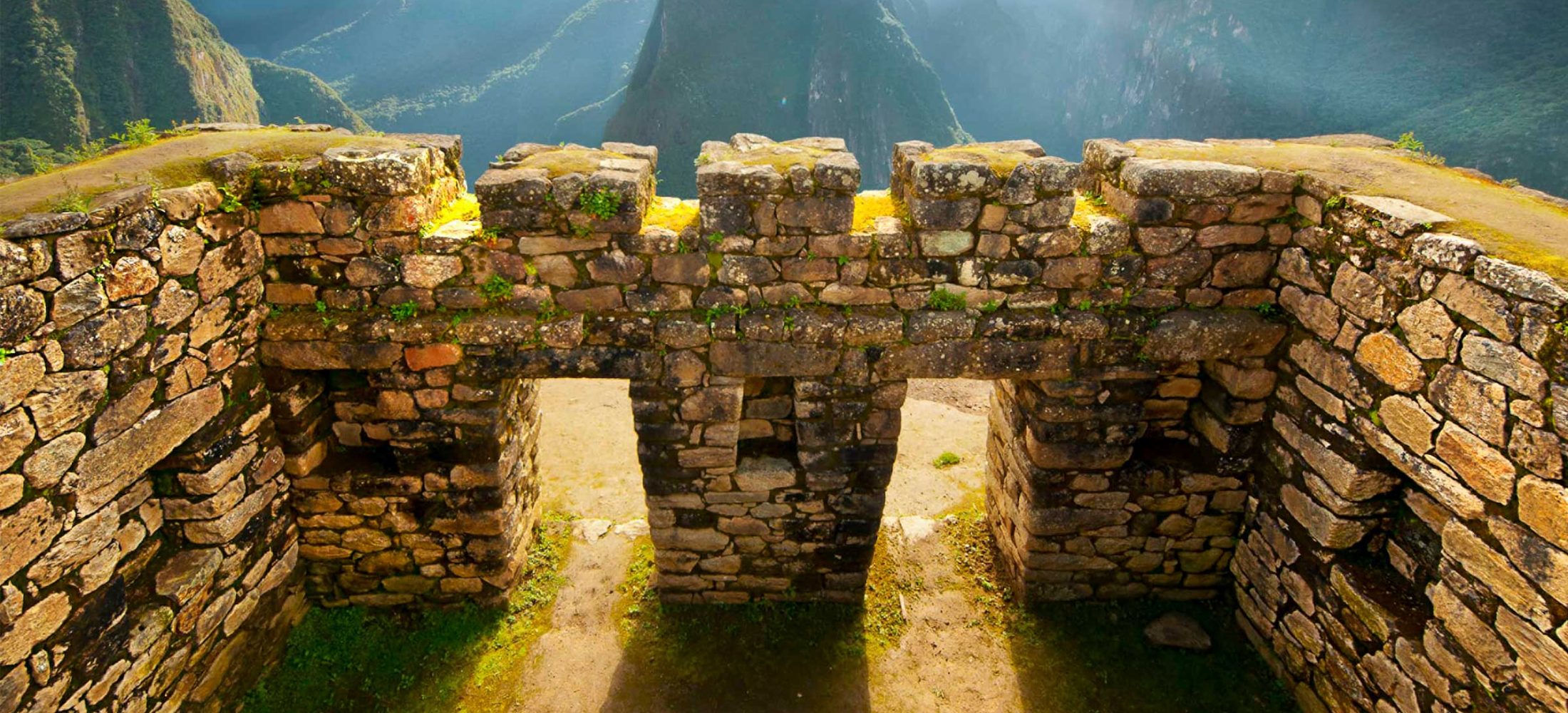
- The Inca temples: the rooms of the Moon, the Stars, the Rainbow and Thunder, with trapezoidal niches and doorways.
- The stonework: blocks joined without mortar, with fine joints and inner connections. Guides show how the walls were built to resist earthquakes.
- The colonial cloister: the two-story cloister of Santo Domingo, with paintings of the Cusco School.
- The gardens and the view: the terraced gardens below the temple, where the golden garden is said to have been.
Under the gardens, the Qorikancha Site Museum displays archaeological pieces. It is a separate visit with its own entrance and requires the Cusco Tourist Ticket.
Qorikancha Entrance Fee and Hours
- Entrance: S/ 20 (2026 rate), paid at the door. It is managed by the Dominican convent, so it is not part of the Cusco Tourist Ticket.
- Hours: usually Monday to Saturday from 8:30 AM to 5:30 PM, with shorter hours on Sunday afternoon because of church services. Confirm before you go.
- Guides: official guides are available at the entrance. A guide makes a big difference here, because many details of the stonework are easy to miss.
For the other entrance fees in Cusco, see our guide to the Cusco Tourist Ticket.
Visit Qorikancha on a Cusco City Tour
Qorikancha is the first stop of our city tours, followed by the Inca sites on the hill above Cusco:
- City Tour in Cusco (afternoon, from USD 13): Qorikancha, Sacsayhuaman, Q’enqo, Puka Pukara and Tambomachay in half a day.
- Cusco City Tour (morning, from USD 13): Qorikancha, Sacsayhuaman and nearby sites, from 9:00 AM to 2:00 PM.
Check the Included section of each tour to see which entrance fees are included. For colonial art, the Cusco Churches Tour (from USD 70) visits the Cathedral, La Compañía, Santa Catalina, La Merced and San Francisco with the entrance fees included.
Tips for Visiting Qorikancha
- Go early in the morning for fewer groups and soft light in the courtyard.
- Dress respectfully: it is still a working church.
- Photos: allowed in the Inca rooms and the cloister; flash and tripods may be restricted.
- First day in Cusco: Qorikancha is flat and central, so it is a good visit while you adjust to the altitude. See our guide to altitude sickness.
- Nearby: walk up Avenida El Sol to the San Pedro Market (see the markets in Cusco) or to the Plaza de Armas.
On 24 June, Inti Raymi begins with a ceremony at Qorikancha before moving to the Plaza de Armas and Sacsayhuaman. See our Inti Raymi guide and the top attractions in Cusco.
FAQs About Qorikancha
What does Qorikancha mean?
“Golden enclosure” in Quechua, because its walls were once covered with gold.
How much is the entrance to Qorikancha?
S/ 20 (2026), paid at the entrance. It is not included in the Cusco Tourist Ticket.
Is Qorikancha the same as Santo Domingo?
They share the same site: the Inca temple of Qorikancha is the base, and the church and convent of Santo Domingo were built on top of it.
Who built Qorikancha?
The Incas. The emperor Pachacútec rebuilt and enlarged it in the 15th century and covered it with gold.
What happened to the gold of Qorikancha?
The Spanish removed it after the conquest, including hundreds of gold plates from the walls, and most of it was melted down.
How long does a visit take?
About one hour with a guide, or a little more if you also visit the Site Museum.
More about the historic center: UNESCO – City of Cuzco.