
These 10 facts about Cusco help you understand the city before you visit. Cusco (Qosqo in Quechua) was the capital of the Inca Empire, and today it is the Historic Capital of Peru, a UNESCO World Heritage Site and the starting point for Machu Picchu. Below you will find the key facts about Cusco’s history, its most important sites, its food and culture, and the tours that take you to each place.
Facts about Cusco at a glance
| Name | Qosqo in Quechua, usually translated as “navel” or “center” |
| Founded | According to Inca tradition, by Manco Capac in the 12th century |
| Altitude | About 3,400 m (11,150 ft) |
| Status | Historic Capital of Peru; UNESCO World Heritage Site since 1983 |
| Languages | Spanish and Quechua |
| Best time to visit | April to October (dry season) |
10 facts about Cusco every traveler should know
1. Cusco was the capital of the Inca Empire
According to Inca legend, Manco Capac and Mama Ocllo came from Lake Titicaca and founded Cusco where Manco Capac’s golden staff sank into the ground. Archaeology shows that the valley was settled long before, but it was under the Incas, especially Pachacutec in the 15th century, that Cusco became the capital of the Tawantinsuyu, an empire that stretched from today’s Ecuador to Chile.
2. The Incas called it the “navel of the world”
For the Incas, Cusco was the center of the universe. The four roads to the four regions of the empire started at the main square, and sacred lines called ceques connected the city with hundreds of shrines (huacas). Tradition says the city was designed in the shape of a puma, with Sacsayhuaman as its head. You can read more curiosities like this in our fun facts about Cusco.
3. It is the Historic Capital of Peru and a World Heritage Site
Lima is the capital of Peru, but the Peruvian Constitution names Cusco the Historic Capital of the country. In 1983, the City of Cuzco was declared a UNESCO World Heritage Site for its unique mix of Inca walls and Spanish colonial buildings.
4. Cusco sits at about 3,400 meters
Cusco is much higher than Machu Picchu (about 2,430 m). Many travelers feel the altitude on the first day: take it easy, drink water and try coca tea. Read our guide to altitude sickness in Cusco.
5. Qorikancha was the Temple of the Sun
Qorikancha was the most important temple of the Inca Empire, dedicated to the Sun (Inti). Spanish chroniclers wrote that its walls were covered with sheets of gold, which were taken after the conquest. The Spanish built the Santo Domingo convent on top of it, but the Inca walls survived the strong earthquakes of 1650 and 1950 better than the colonial building. The entrance costs S/ 20.
6. Sacsayhuaman has some of the largest stones the Incas ever moved
Above the city, the zigzag walls of Sacsayhuaman are made of huge stones fitted without mortar; the largest are estimated to weigh more than 100 tonnes. How the Incas moved and shaped them is still studied today. Every 24 June, Sacsayhuaman is the main stage of Inti Raymi, the Festival of the Sun. Entry is with the Cusco Tourist Ticket.
7. Its churches hold the art of the Cusco School
The Spanish built churches on Inca foundations all over the city: the Cathedral and La Compañía on the Plaza de Armas, plus La Merced, San Francisco, Santa Clara and San Pedro. Inside, you find paintings of the Cusco School, where local artists mixed European styles with Andean details. The most famous example is the Last Supper in the Cathedral (S/ 40), painted by Marcos Zapata, where Jesus and the apostles share a guinea pig.
8. San Pedro Market and San Blas are the heart of daily life and crafts
San Pedro Market is the city’s main traditional market: fresh fruit juices, Andean cheese, breads, herbs, textiles and cheap set lunches. Up the hill, the San Blas neighborhood is home to artisan workshops, including famous families such as Mendívil, Olave and Mérida, known for their religious figures and imagery.
9. Cusco is a food destination
Cusco’s kitchens use ingredients that the Andes have grown for thousands of years: Peru has thousands of native potato varieties, plus corn, quinoa and lake trout. Try cuy (guinea pig), chicharrón, chiriuchu during Corpus Christi, and modern Novo Andino cuisine. To taste the best local dishes with a guide, join our Cusco Food Tour (from USD 30).
10. Cusco is the gateway to Machu Picchu and the high Andes
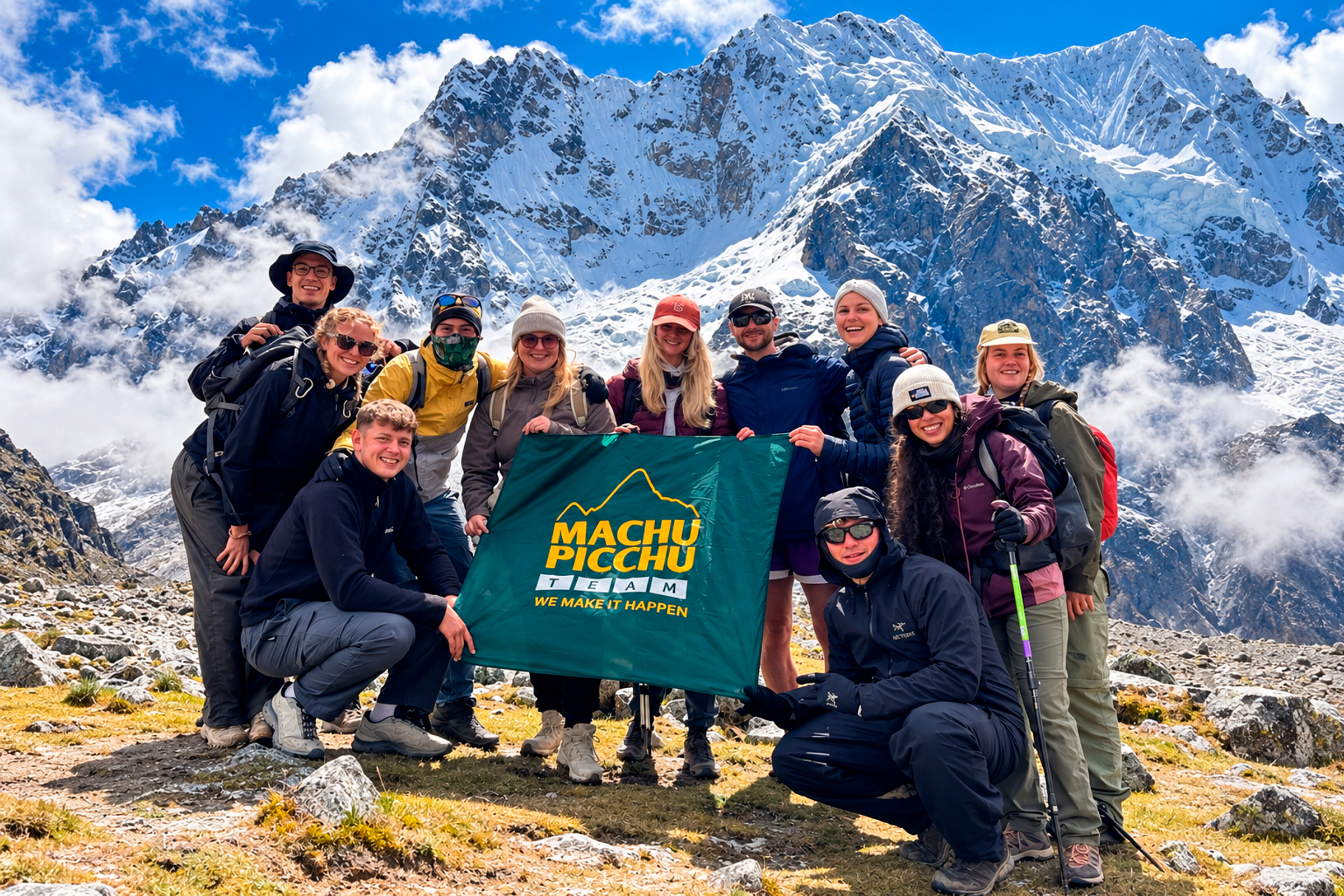
From Cusco, you reach the Sacred Valley, Machu Picchu, Rainbow Mountain, Humantay Lake, Salkantay and the sacred Ausangate mountain. Most travelers stay 4 to 5 days in the region: 1 to 2 days for the city, 1 day for the Sacred Valley, 1 to 2 days for Machu Picchu, and 1 day for a mountain hike.
How to see these places on a tour from Cusco
| Tour | What you see | From |
|---|---|---|
| Cusco City Tour | Qorikancha, Sacsayhuaman and the nearby Inca sites | USD 13 |
| Sacred Valley Tour | Pisac, Ollantaytambo and Andean villages | USD 23 |
| Machu Picchu Full Day by Train | Machu Picchu in one day | USD 280 |
| Rainbow Mountain Tour | Vinicunca, at about 5,000 m | USD 23 |
| Humantay Lake Tour | Turquoise glacial lake near Salkantay | USD 23 |
See all our tours in Cusco.
Frequently asked questions about Cusco
When was Cusco founded?
According to Inca tradition, Manco Capac founded Cusco in the 12th century. It became the capital of the Inca Empire in the 15th century under Pachacutec.
Is Cusco the capital of Peru?
No. Lima is the capital, but the Constitution names Cusco the Historic Capital of Peru.
What does Cusco mean?
Cusco comes from Qosqo, a Quechua word usually translated as “navel” or “center”, because the Incas saw it as the center of the world.
How high is Cusco?
About 3,400 m (11,150 ft) above sea level.
What is Cusco famous for?
Its Inca walls and temples, colonial churches, Inti Raymi, its food and markets, and being the gateway to Machu Picchu.
How many days do you need in Cusco?
At least 4 to 5 days to see the city, the Sacred Valley and Machu Picchu, and to acclimatize to the altitude.